
[ NIHONBASHI, TOKYO ]
Singular Visions,Collective Impact
Visions that see further. Futures we want to create. Fundamental and Systemic challenges we want to solve. These visions converge and intertwine, becoming a powerful force shaping the future. The era of division and fighting alone is over.
From Food Innovationto Next Industries
Food innovation continues to accelerate. We must look beyond boundaries to envision the next industries. Food has the power to create the industries this era of collaboration calls for.
NO ACTION,
NO FUTURE
Act now to shape a golden age,
or stand still and face silent decline.
No more reasons why we can’t. Let’s act.
We don’t wait for the future. We create it.
Singular Visions,
From Food Innovation
to Next Industries
Why SKS JAPAN?
~ Beyond stage two: Japan’s food innovation enters an era of creating “Next Industries” ~
Food innovation in Japan is entering a new stage. What began with major corporations and startups is now expanding to regional SMEs with heritage across Japan. In November 2025, food-tech was designated as one of Japan’s 17 Strategic Investment Areas, setting the stage for government and industry to move together and shape the future of food.
Japan’s food industry holds extraordinary assets: world-class food development and processing capabilities, insights gained from confronting challenges such as an aging society, food culture and technique such as fermentation, seaweed and soy-based foods, exceptional culinary craftsmanship, and diverse regional food cultures. Global interest in Japanese food is also surging—not only for its taste, but for the integrity and values behind it, as well as Japan’s technological capabilities. Advances in technology are enabling foods that are not only delicious, but healthier, more restorative for the planet, and supportive of cultural diversity. These innovations have the potential to address increasingly urgent global food challenges while contributing to well-being.
Yet, Japan’s food industry faces serious structural challenges: extremely low food self-sufficiency, massive hidden food loss, the disappearing producers and food manufacturers, persistent deflation and price suppression, rising input costs and growing acquisition risks driven by a weaker Yen. We believe Japan’s food industry is now facing a “silent crisis.”
That is why Japan should redefine, recombine, and reimagine its food assets—and bring them to the global market. Food innovation should not end with individual technologies or businesses. It must lead to new markets and new industries. fermentation and biotech, next-gen plant production, longevity food, new models for aging populations, neo foodservice, and food culture—The “Next Industries” that can emerge from Japan’s food ecosystem will not be one, but many.
At SKS JAPAN 2026, we will explore together what the future of the food system can become, what industries can be built together, what Japan can contribute to the world, and how Japan can collaborate with the global partners. We want to bring together players with “singular visions” and “commitment to act”, moving as a collective to turn ideas into “tangible actions”.
Japan’s food ecosystem has the potential to shape a better future and create new industries. But potential means nothing without action. Whether we enter a golden age or continue into quiet decline depends on whether we act NOW.
NO ACTION,
Act now for a golden age. Stand still, and face quiet decline.
Principles of SKS JAPAN
~ A Place Where Changemakers Come Together Beyond Borders ~
SKS JAPAN is a place where “changemakers” who share a common understanding of the challenges we face and a vision for the future of food come together, regardless of organization, industry, or position. We encourage participants to join us for all three days, experience the same sessions, and deepen their understanding through discussion with fellow changemakers. Above all, we want SKS JAPAN to be more than a place to learn about the latest trends in agrifood tech and ecosystem initiatives. It is a place to sharpen and share key global issues across companies, industries, and countries, engage in dialogue, and turn those discussions into action—including joining initiatives that continue beyond the event.
HIGHLIGHTS Highlights
-
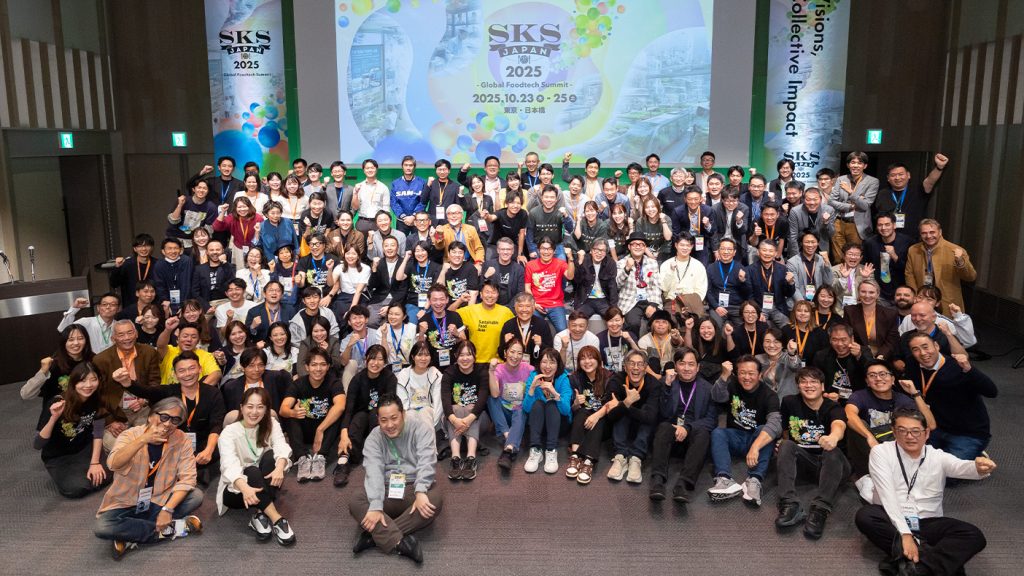
Connect with Pioneers—and Move to the Next Stage
More
-
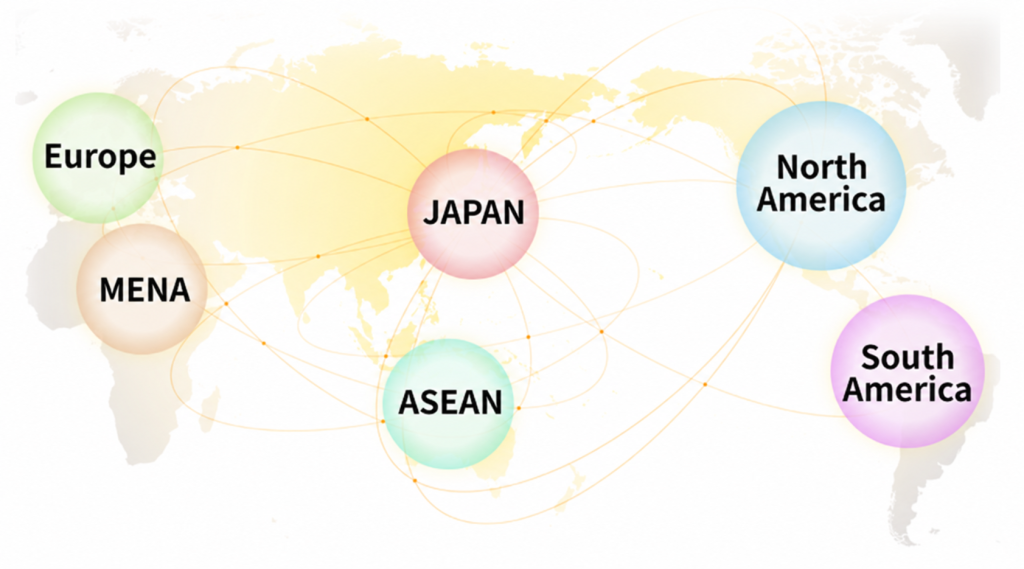
Discover the Projects Connecting Japan to the World
More
-
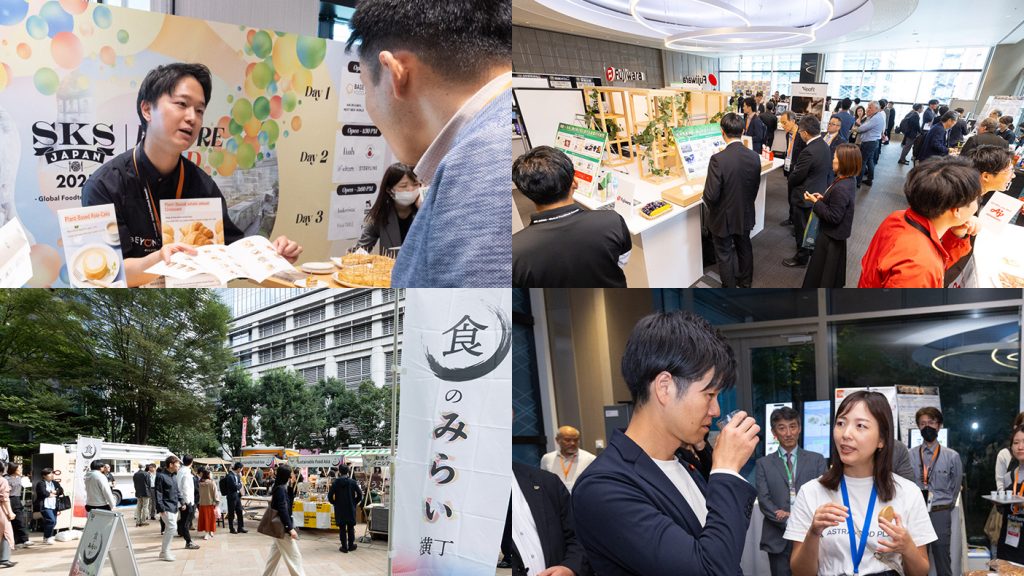
Experience the Future of Food—With All Your Senses
More
-
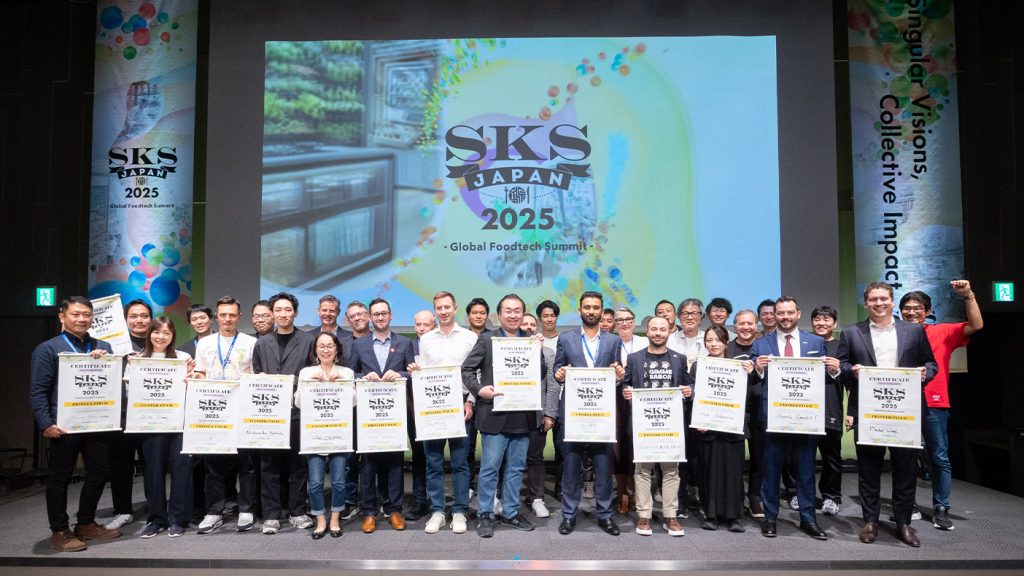
Share Singular Visions—and Take the Next Step
More
-
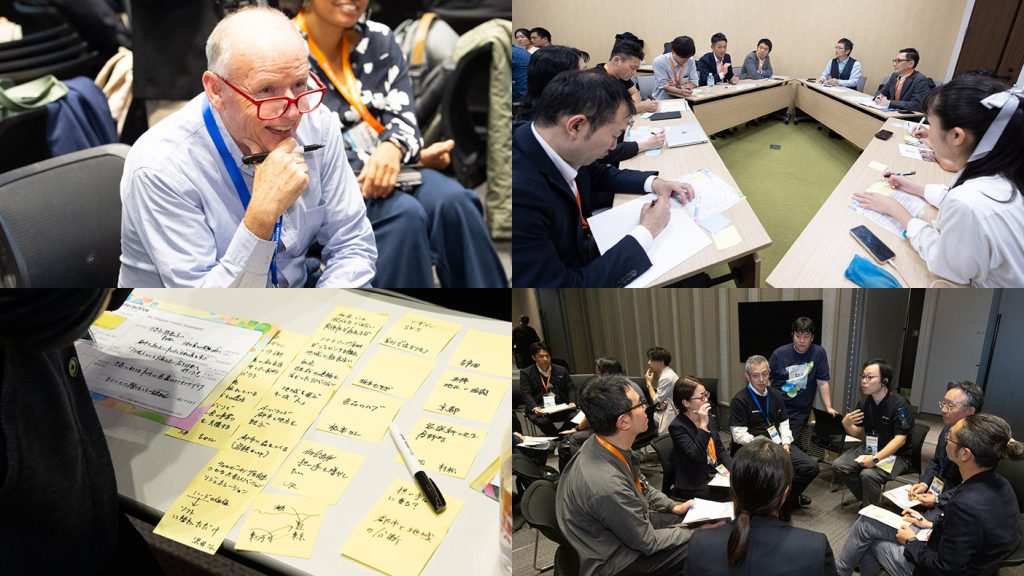
From Food Innovation to Next Industries
More
-
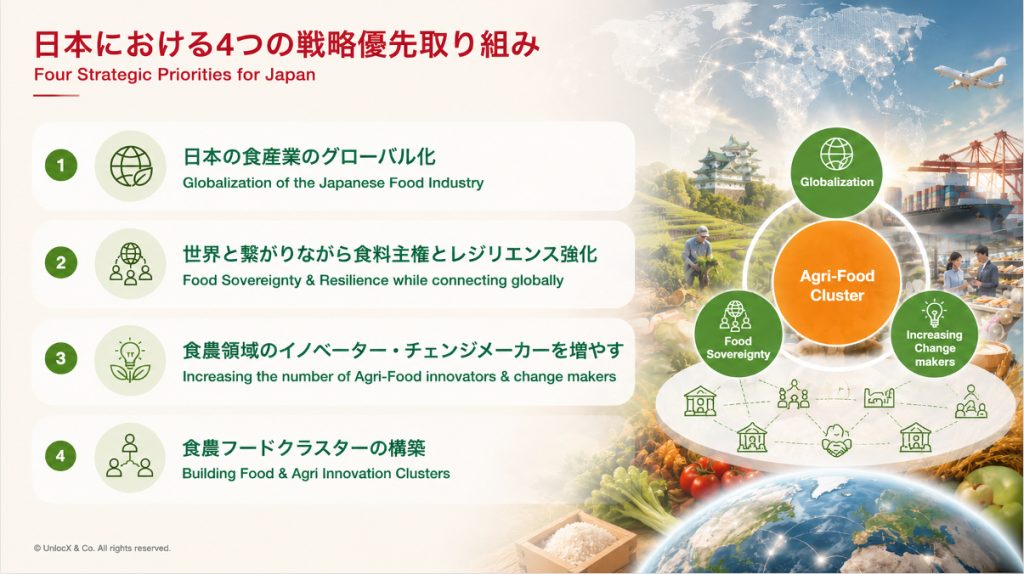
See the Bigger Picture—and Find Japan’s Edge
More
AGENDA Agenda
AGENDA may be changed without any notification
|
60min |
Opening # overview 1. From Foodtech to Industry Creation: Why SKS JAPAN 2026 talks about "Next Industries" The food tech landscape has moved well beyond simply tracking new technologies and startups. What is happening around the world, and where is food innovation heading? Taking stock of these major currents, we explore why an industry-building perspective is needed now. This opening session sets out the questions that run through all three days of SKS JAPAN 2026 and shares the future we aim to create together. |
SPEAKER
|
|
40min |
Session # japans_strategy # food_ecosystem # globalization # overview 2. Foodtech as a National Strategy: How can Japan be Positioned in Global Food Tech Market? With food tech now positioned as one of the priority themes in Japan’s national growth strategy, this session will discuss on what that strategy should be. Japan’s food industry has an exceptional food culture and strong technological capabilities, yet has long struggled with global commercialization and rule-making. We re-examine the assets Japan holds, including its research base and its position as a country facing social challenges ahead of others, and discuss how Japan, moving beyond competition among individual companies, can find its path to creating new markets and industries for the world. |
SPEAKER
|
|
50min |
Session # japans_strategy # globalization # overview 3. Building NEXT INDUSTRIES through Food: How do we design Investment Roadmap? In July, the Japanese government approved the Japan Growth Strategy, which included a public-private investment roadmap for food tech. Given Japan’s technological strengths and cultural assets, food has strong potential to give rise to a foundational industry on a par with automobiles and semiconductors. However, no single company or sector can create such an industry alone; industry, government and academia must work together to set its direction. What kinds of industries should be fostered around food, and where, when and by whom should investments be made? Drawing on perspectives from industry, government and academia, this session maps out an investment roadmap for the future. |
SPEAKER
|
|
90min |
Break/Lunch BREAK/LUNCH |
|
|
15min |
Session # japans_strategy # restaurant # mounting_base # city_and_food 4. Globalization 3.0 in Action: Entering the U.S. Market Through Bentoville Food Theater |
|
|
30min |
Session # future_vision # overview 5. Beyond the SDGs: What Sustainable Well-being Goals Mean for the Future of Food in Japan Can the food-related industries help build a society in which people genuinely feel they are living well? How will the role of food change toward 2050? This session reframes food through the lens of “Sustainable Well-being,” which brings together multiple values such as health, happiness, the planet and social connection. Looking beyond the SDGs, we consider the new value that Japanese food can offer the world. |
|
|
30min |
Session # growth_startup # future_vision 6. Future Food Tech Scenarios from Japan’s Breakthrough Startups Perspective? What kind of future do Japanese leading food tech startups striving to create new industries see ahead of them? From the perspective of entrepreneurs seeking to create entirely new markets rather than extend existing ones, this session explores Japan’s path to success. What must the industry as a whole do to turn Japan’s strengths into value on the global stage? game-changing startups share their visions and the bottlenecks they face. |
SPEAKER |
|
30min |
Session # creatingindustry # food_system_solution # food_for_disaster # food_for_resilience # regenerative_foodsystem # food_for_health 7. Building New Industries 1: Nutrition Safety Net for a More Resilient Society How can the food industry build a “nutrition safety net” that remains resilient amid population aging and natural disasters? This session considers how big food company can expand its role from supplying products to serving as social infrastructure, and what a more resilient society could look like. |
SPEAKER |
|
45min |
Break/Lunch BREAK |
|
|
30min |
Session # creatingindustry # future_vision # food_for_health 8. Building New Industries 2: No Healthy Food, No Future IKEDA TOHKA INDUSTRIES CO., LTD has long worked “behind the scenes” as a manufacturer of intermediate ingredients. In recent years, while collaborating with startups, the company has continued to question its role and purpose in the industry. Through THE BENTO BOX program, IKEDA TOHKA INDUSTRIES CO., LTD envisioned Seed Bridge, a platform that would serve as a hub for health-focused food manufacturers. What exactly is this platform? Drawing on the perspective of a company that has supported Japan’s food industry for more than 100 years, this session explores the essence of the value that Japan’s food industry should create through collaboration. |
SPEAKER |
|
30min |
Session # growth_startup # creatingindustry # longevity 9. Building New Industries 3: Creating the Longevity Food Industry From “living longer” to “living longer and better”. Growing interest in extending healthy life expectancy is poised to create a vast new market for food. As a country at the forefront of population aging, what kinds of “Longevity Food Innovation” can Japan offer? The world is watching with keen interest and high expectations. How can science, food, data, prevention and personalization be combined to build an industry that goes beyond conventional health foods? This session explores the potential for a Longevity Food industry that Japan is uniquely positioned to create. |
SPEAKER |
|
20min |
Session # globalization # eco_systembuilder 10. Ecosystem Builders in Action ①: New Project Creation between Spain/Basque-Japan Spain has a rich food culture and a growing presence in food tech and regional innovation. The ecosystem-building capability of the Basque Country in particular is among the best in the world. Behind its reputation as a gastronomic destination, industry, government and academia have joined forces not only to advance technology and promote food culture, but to build a real industry that brings together local businesses, chefs and startups. We envision a Spain-Japan collaboration that goes beyond bilateral exchange to create new markets and industries. |
SPEAKER |
|
15min |
Break/Lunch BREAK |
|
|
55min |
Session # globalization # eco_systembuilder 11. Ecosystem Builders in Action ②: Setting Global Agenda and Building Food Innovation Highway Around the world, “ecosystem builders” who connect companies, startups, investors, research institutions and governments are playing an increasingly important role. Ecosystem builders from around the world have come together at past editions of SKS JAPAN to share ideas. This time, we go a step further and get specific: what projects can we drive together with Japan, what do they expect from Japan, which challenges can we solve for each other, and what business opportunities we will create? |
SPEAKER |
|
45min |
Session # food_ecosystem # creatingindustry # alternative_protein 12. Building New Industries 4: Making Protein Diversification a Reality The options for producing protein are expanding rapidly, from plant-based proteins to precision fermentation, biomass fermentation and cell cultivation. In Europe, EIT Food has identified Protein Diversification as one of the three major challenges Europe must address, alongside Healthy Food and Resilient Agriculture. Where are the bottlenecks to industrialization—in technology, pricing, regulation, consumer acceptance or supply chains? Moving beyond the concept of “alternative protein,” this session discusses what it will take to make Protein Diversification a viable market. |
SPEAKER
MODERATOR |
SPEAKERS Speakers
Alphabetical Order
-
Adam Lyle
Executive Chairman of Padang & Co
-
Aki Takino
Food Technology Director of Proxy Foods AI
-
Akihiro Sawada
Group Manager of Community Empowerment Dept., Food & Innovation Promotion Group of Tokyo Tatemono Co., Ltd.,
-
Akihito Kobayashi
CEO of DigiTaste Co.,Ltd.
-
Akiko Fukuyo
Principal of SIGMAXYZ inc.
-
Akiko Okada
Insight Specialist of UnlocX & Co.
-
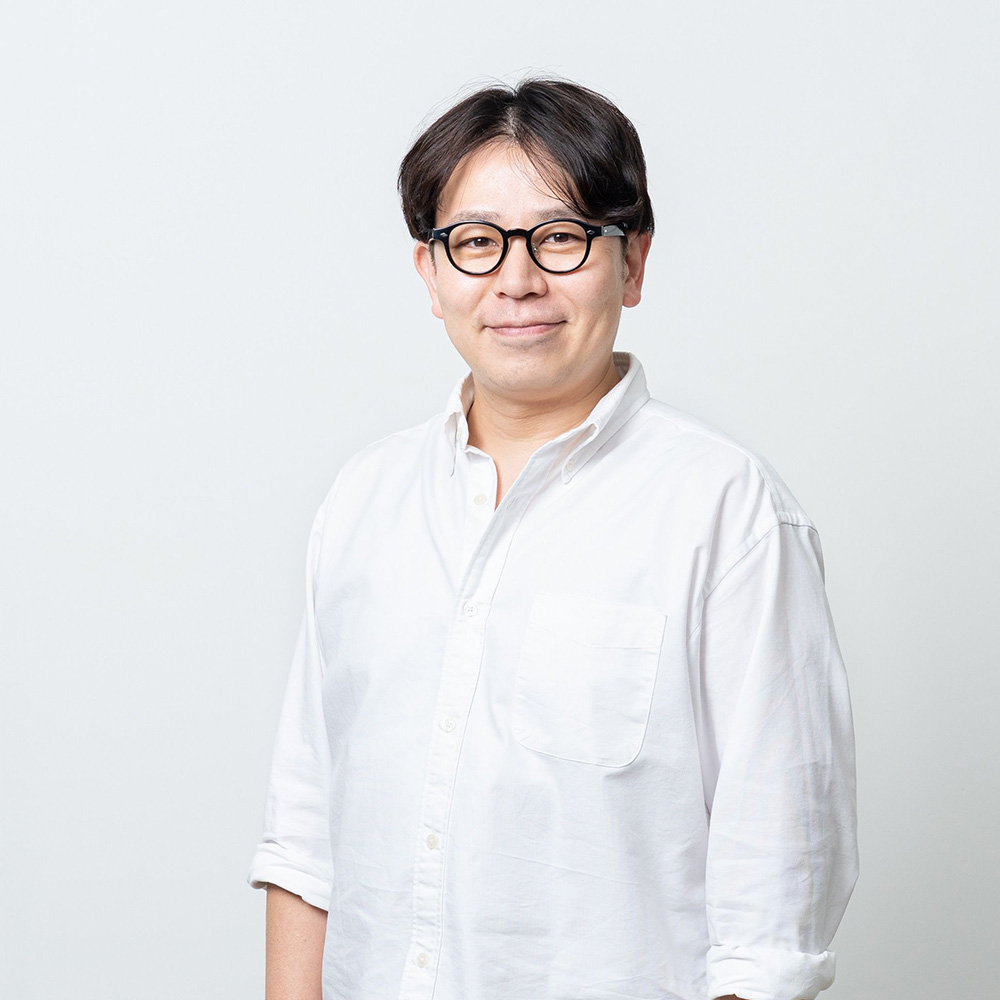
Akio Nakamura
CEO of dishwill.Co.,Ltd.
-
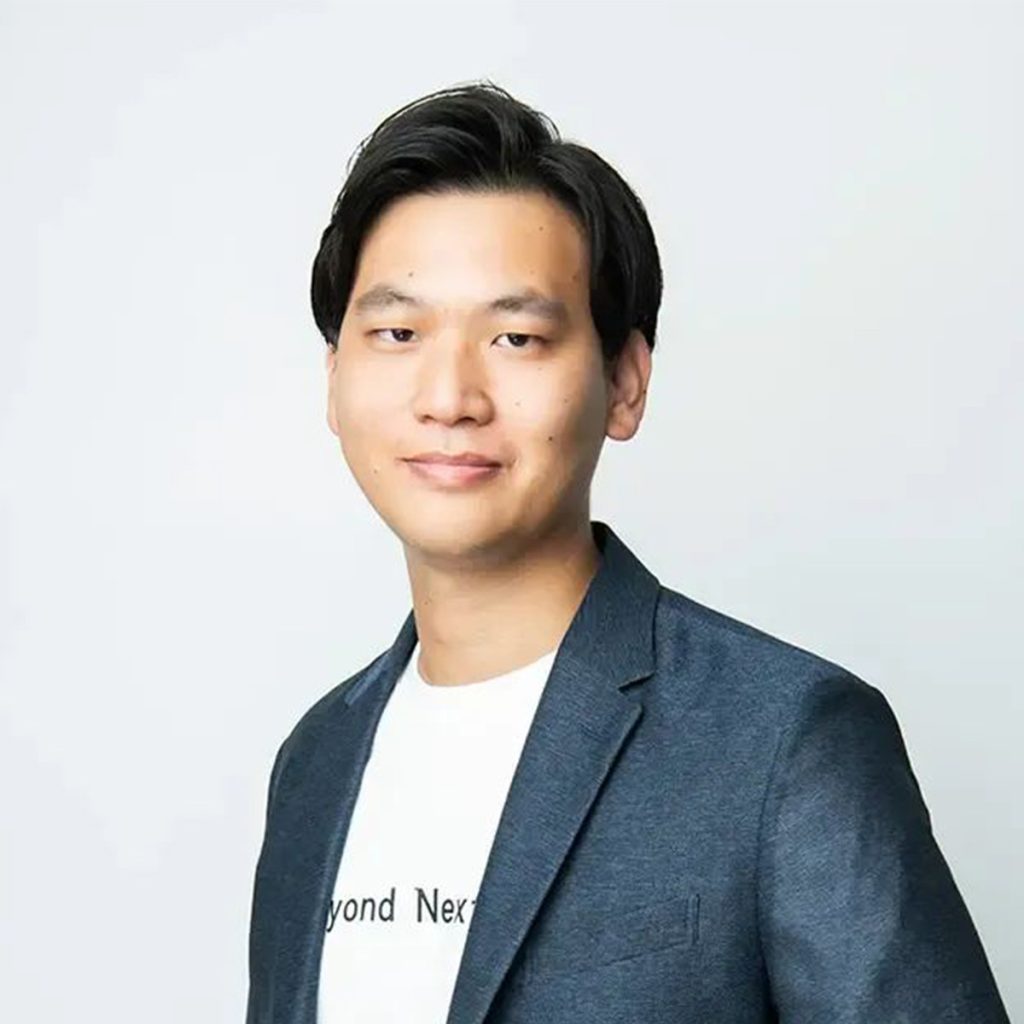
Akito Arima
Executive Officer & Partner of Beyond Next Ventures
Representative Director of Next Prime Food -

Alec Lourenco
Chief Executive Officer of Tomorrow Inc
-

Andrew Dinsdale
Partner, Deloitte Digital
-

Auroni Majumdar
VP of Global Open Innovation of CJ Lifestyle Foods
-
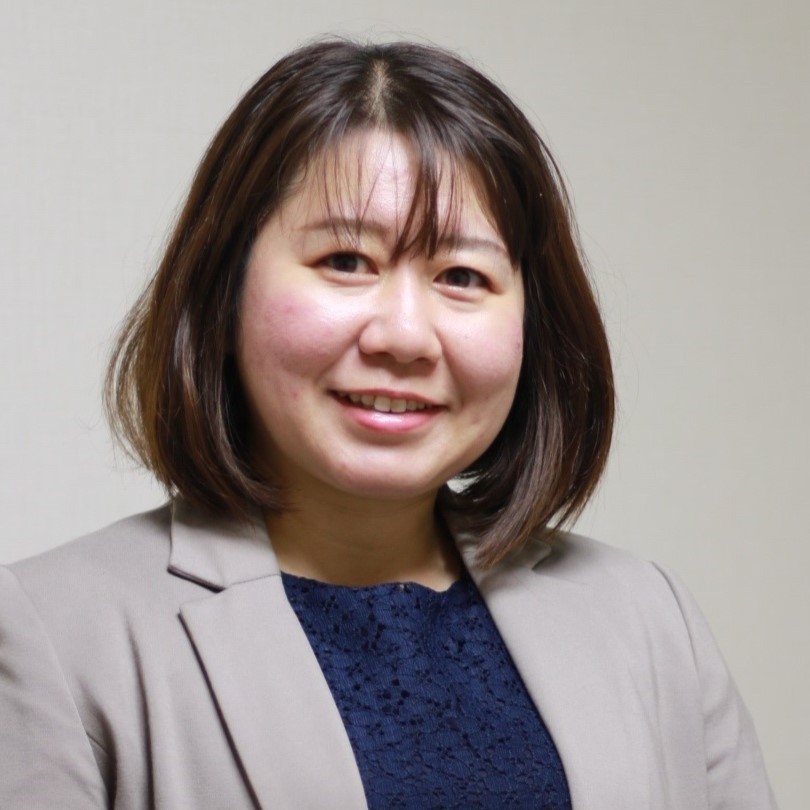
Ayaka Hirayama
Assistant Manager of Department of Innovation Strategy of Marketing Headquarters of Asahi Breweries,Ltd.
-
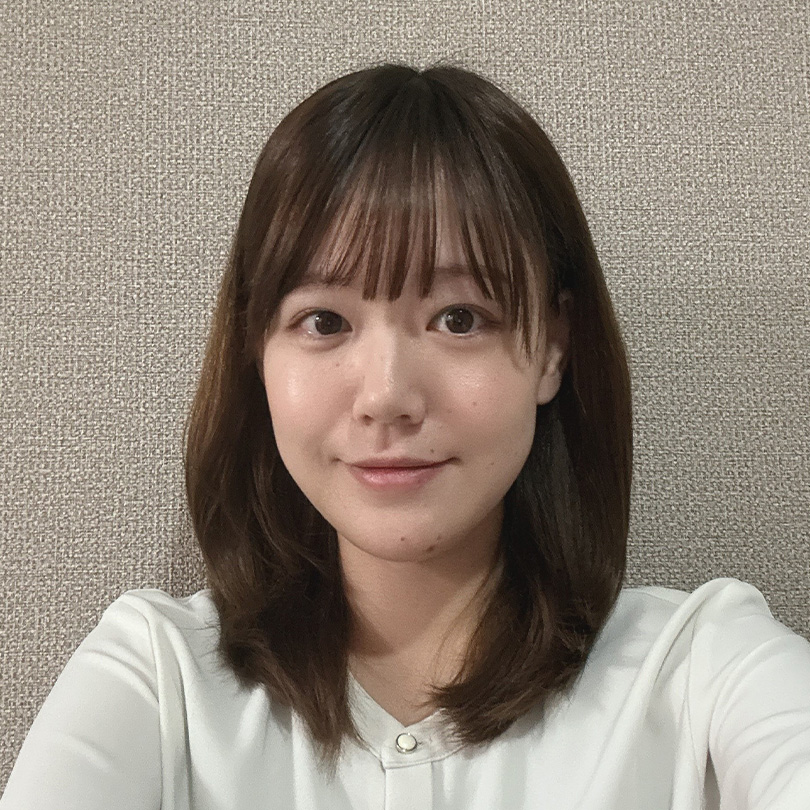
Ayumi Komatsu
Section Chief of Industrial Technology Office, Manufacturing Industries and Information Policy Division, Regional Economy Department, Shikoku Bureau of Economy, Trade and Industry
-
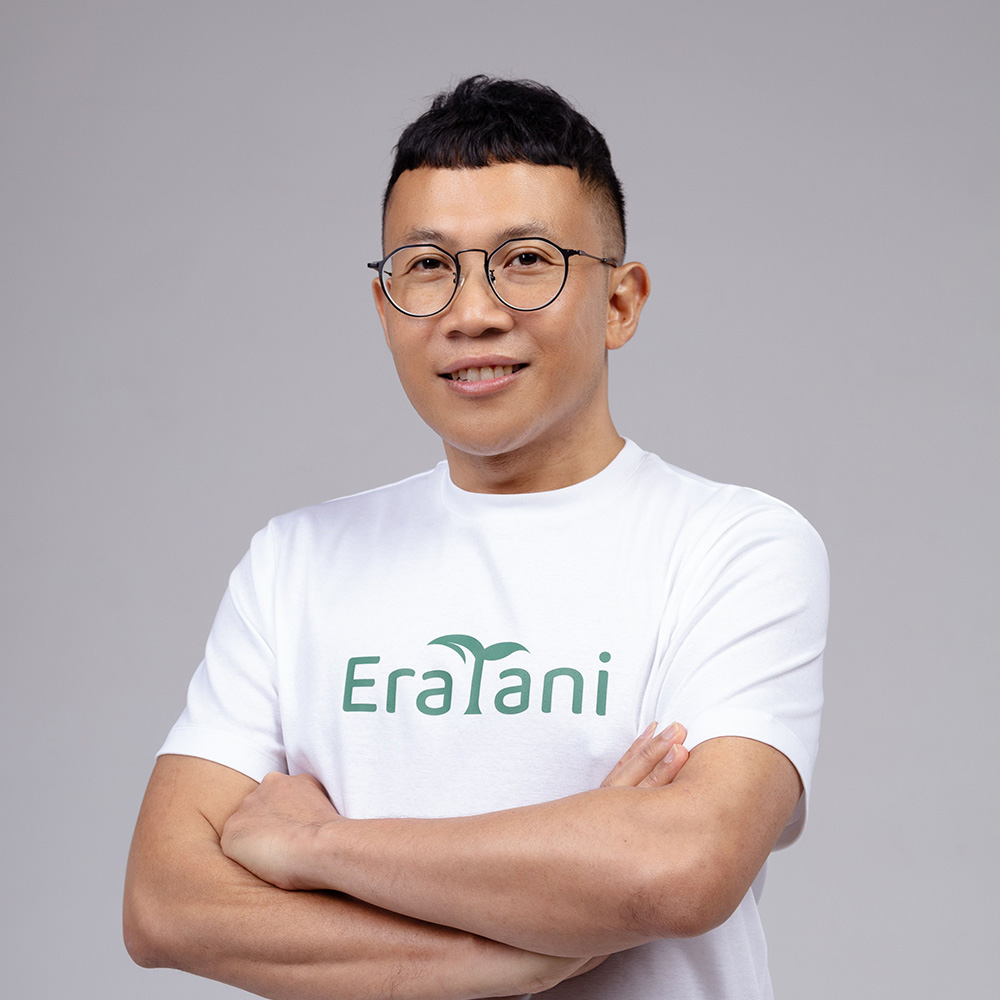
Bambang Cahyo Susilo
Co-founder and CFO of Eratani
-
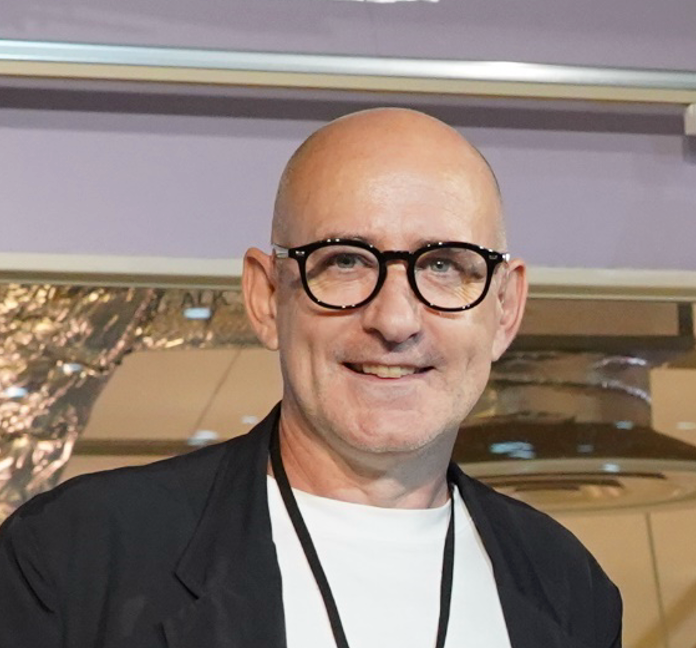
Barry O'Neill
Partner of Value Create Ventures
-
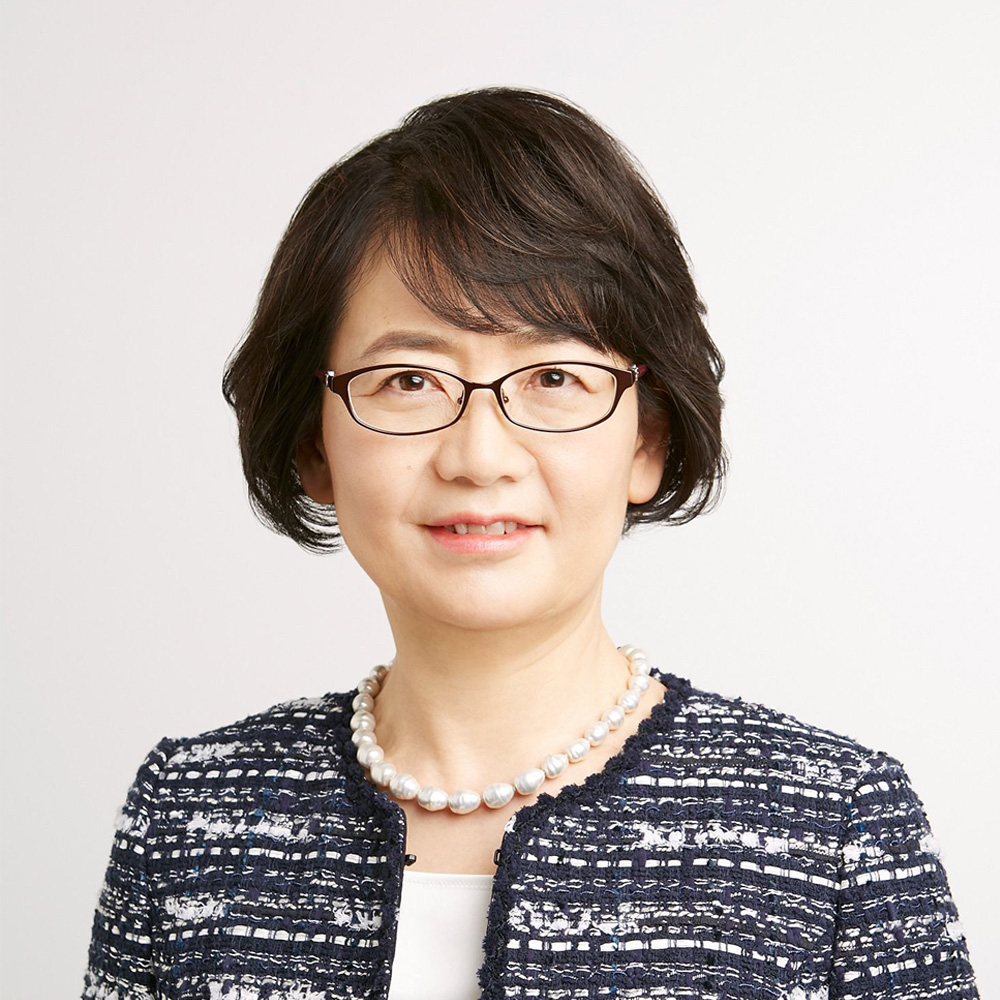
Chiharu Takakura
Co-CEO of Takakura & Company LLC
-
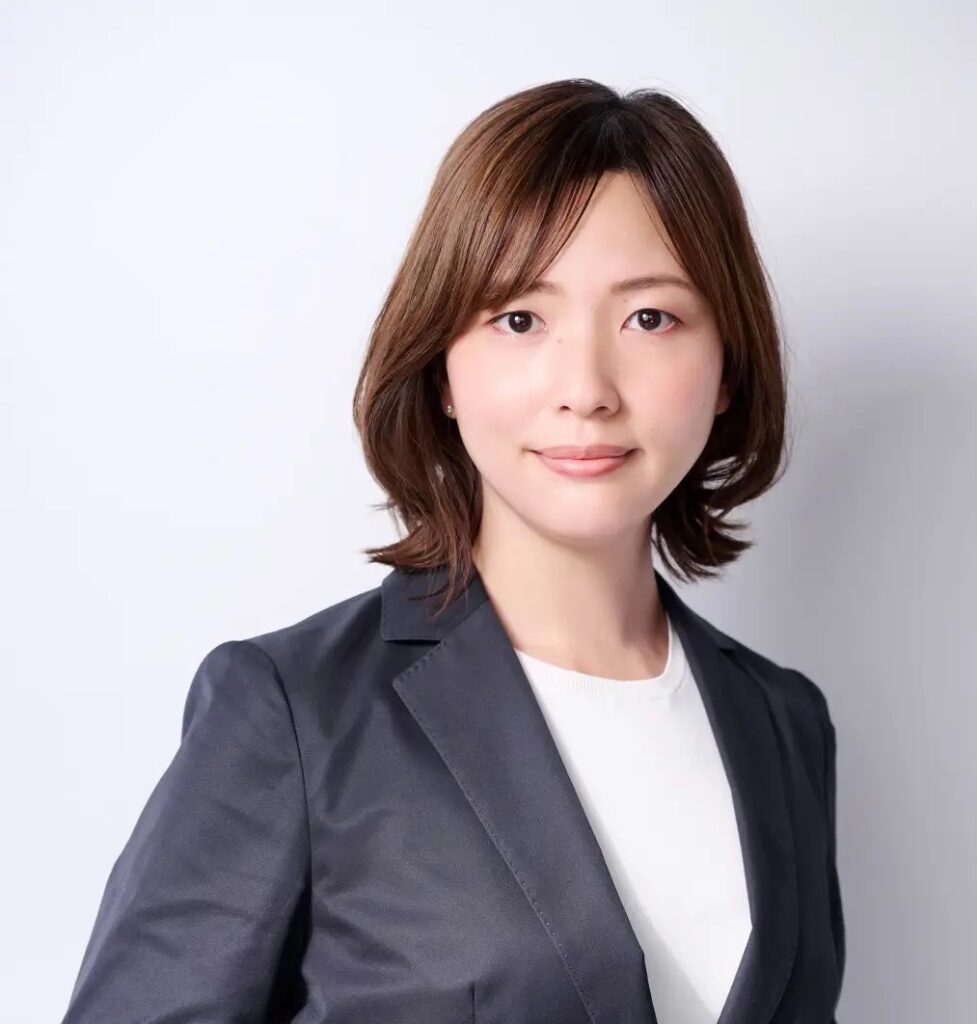
Chihiro Kano
CEO of ASTRA FOOD PLAN Co., Ltd.
-
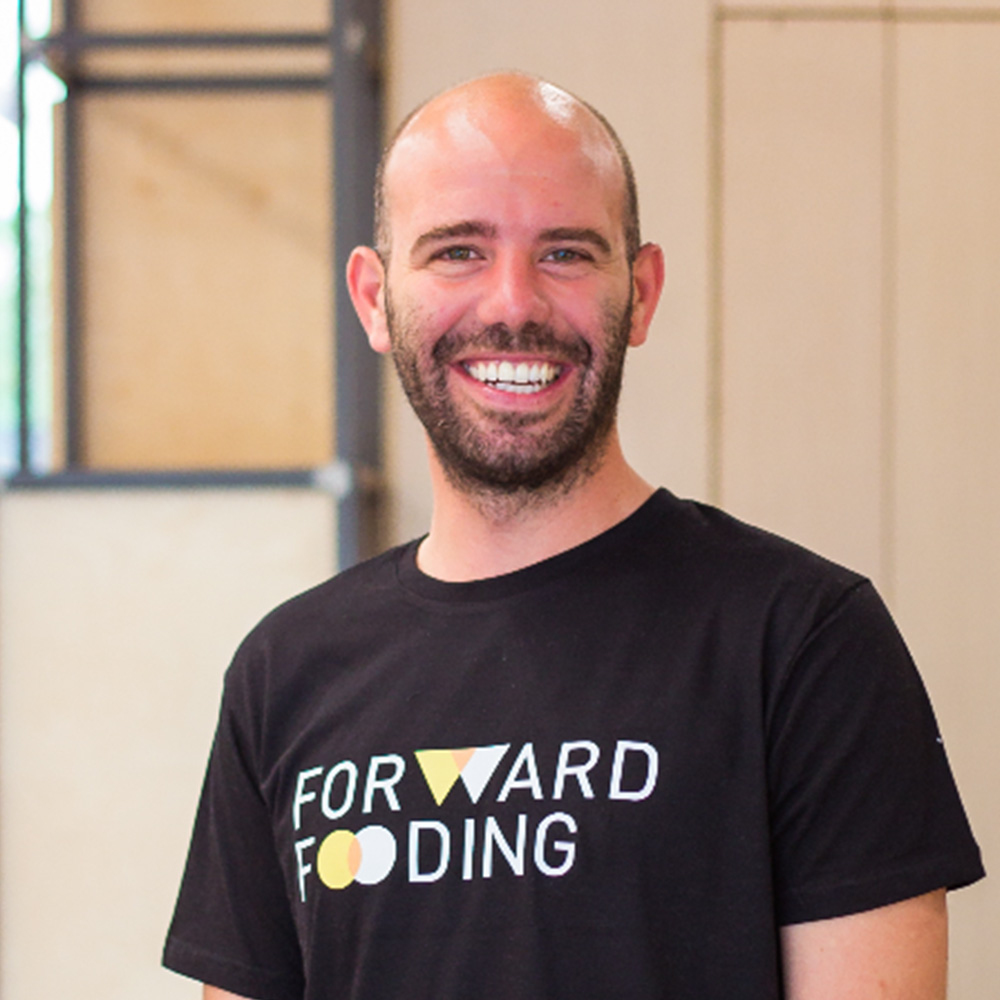
D'Antino Alessio
CEO & Founding Partner of Forward Fooding
-
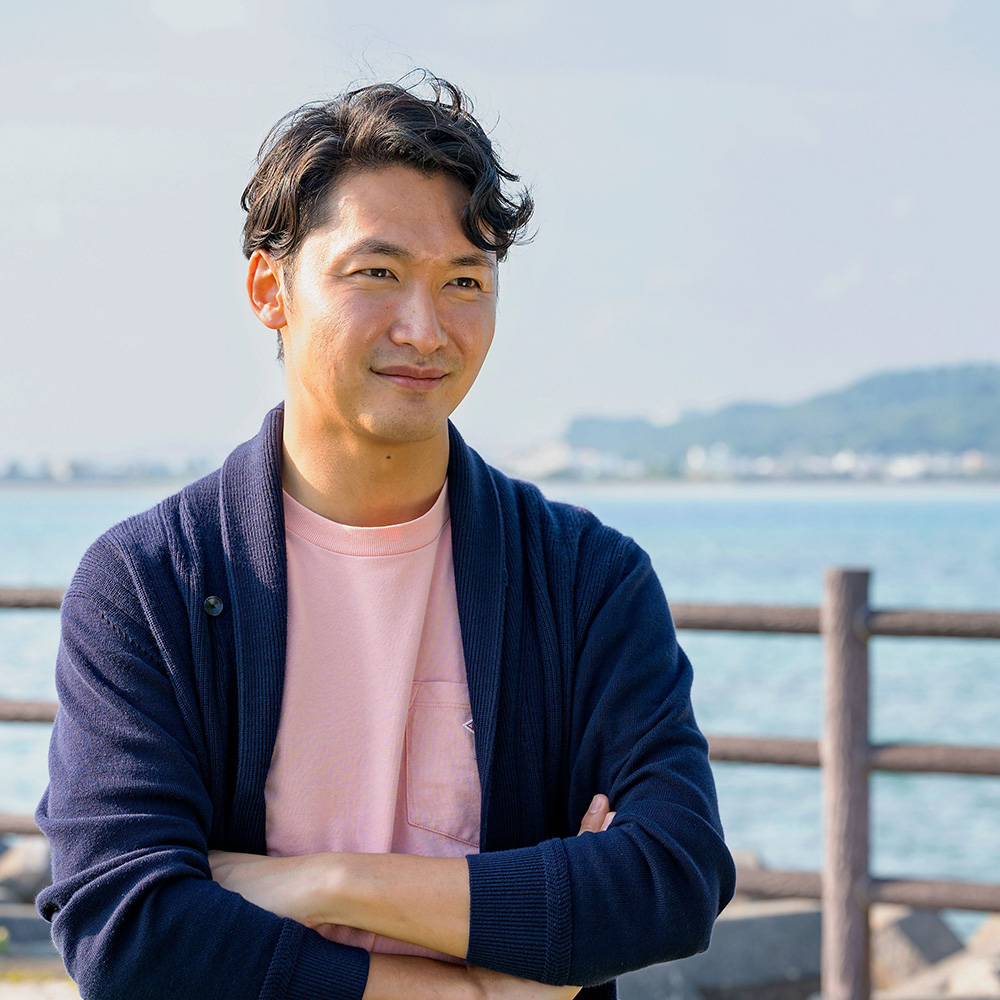
Daichi Takada
Founder and CEO of AlgaleX Inc.
-
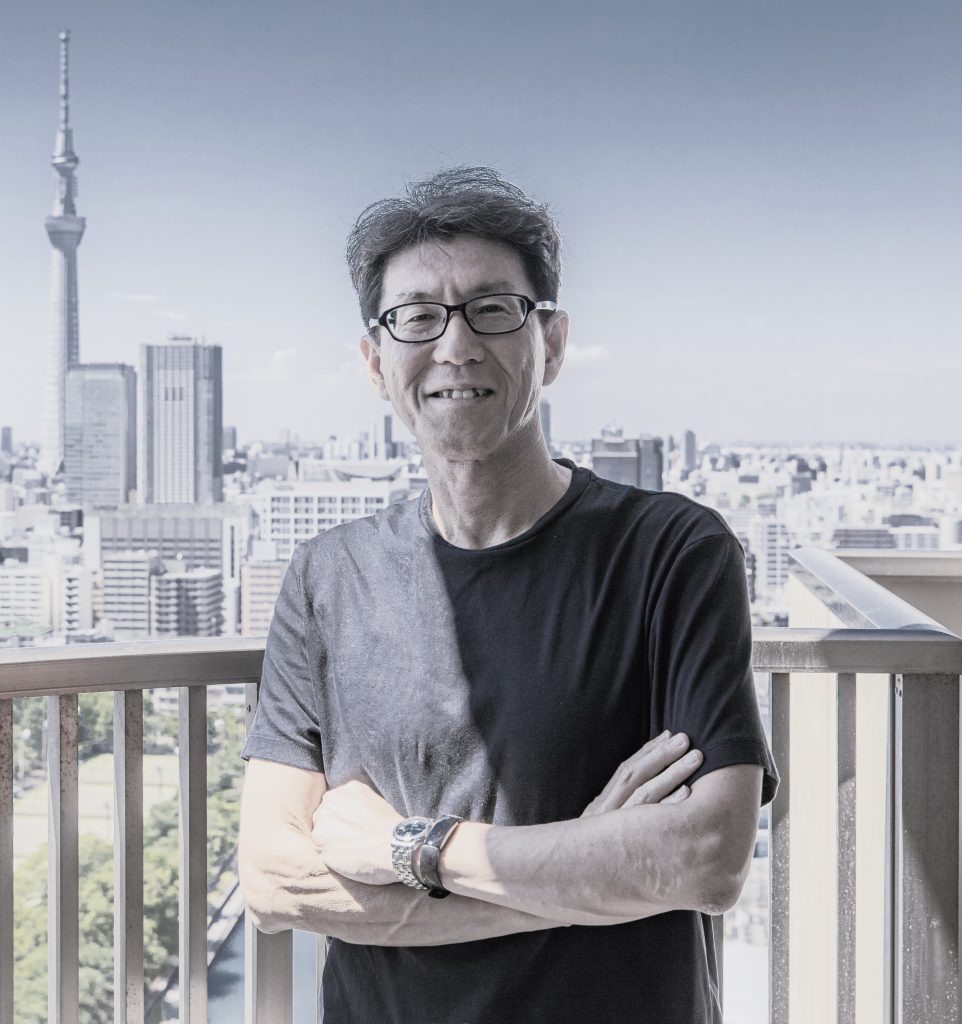
Daiki Ninomiya
General Manager of Consumer Foods Development Center / Institute of Food Sciences and Technologies, Ajinomoto Co., Inc.
-

Dr Aparna Venkatesh
Regional Innovation and Key Account Lead of Bühler Group
-

Dr Lucy Wallace
Founder & Company Director of Liminal Thinking
-
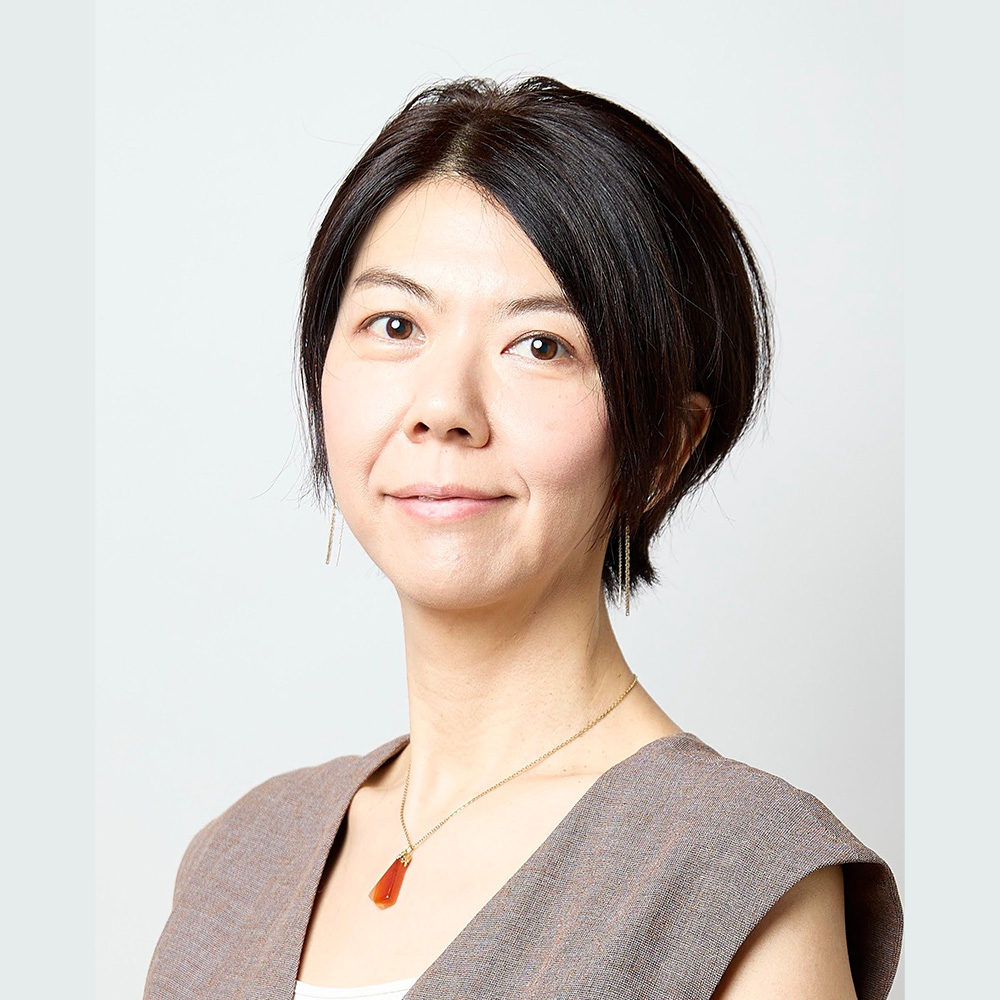
Eriko Sekiya
Senior Manager, New Business Creation Department, MEGMILK SNOW BRAND Co., Ltd.
-
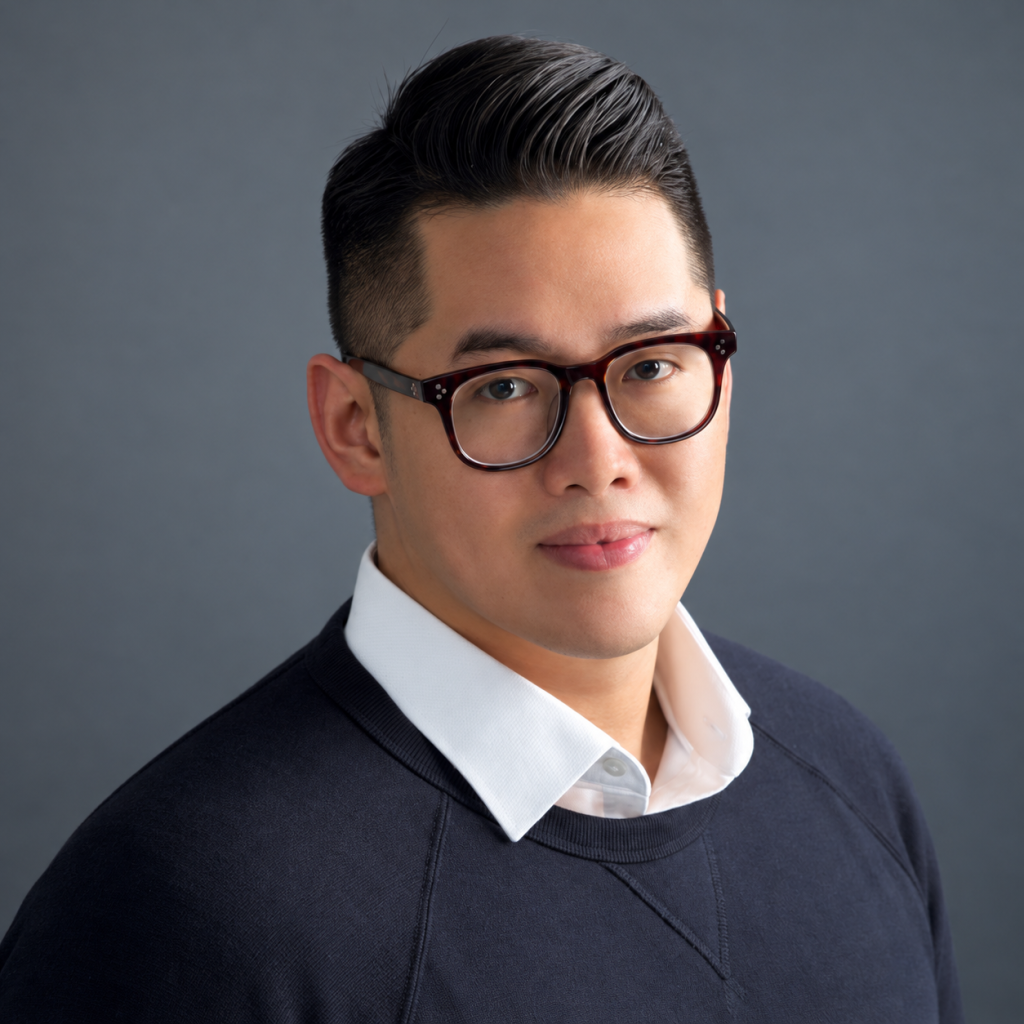
Fred Soh
Co-Founder & CEO, Spore Gardens
-
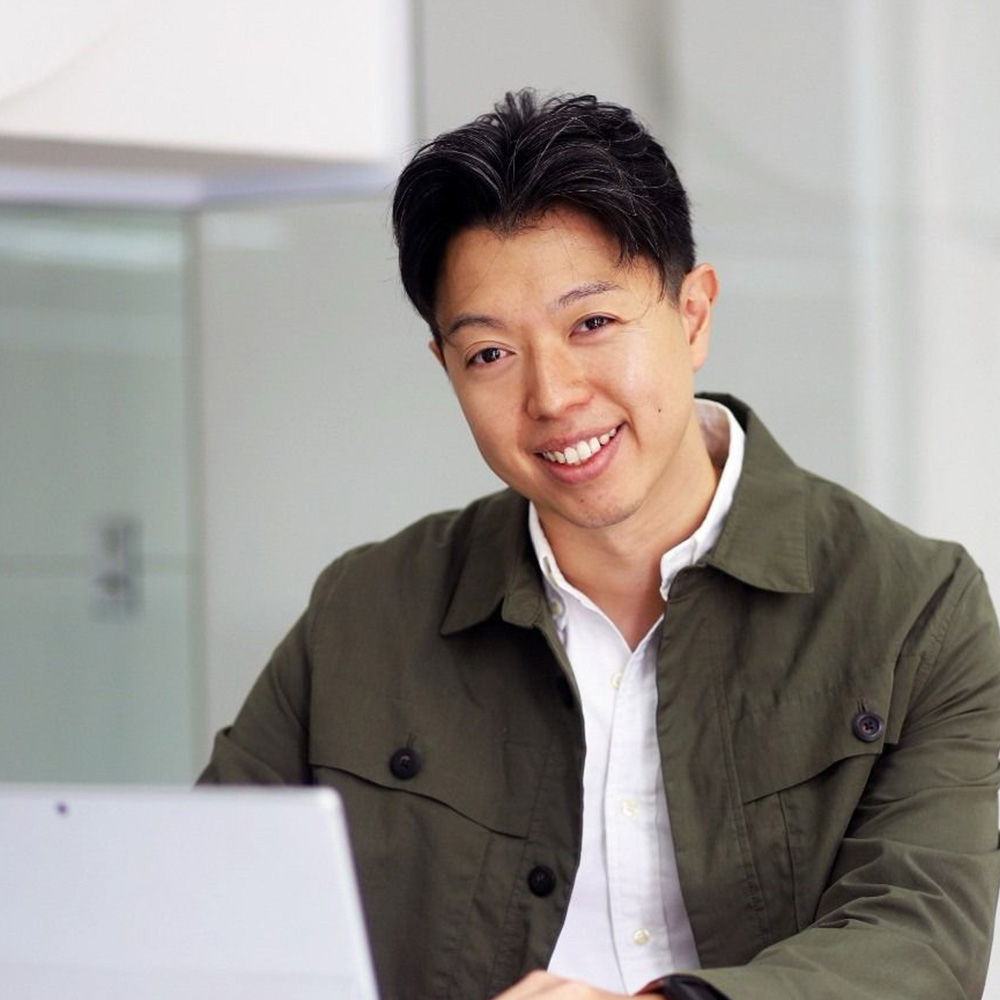
Gerard Chia
Partner, Clay Capital
-
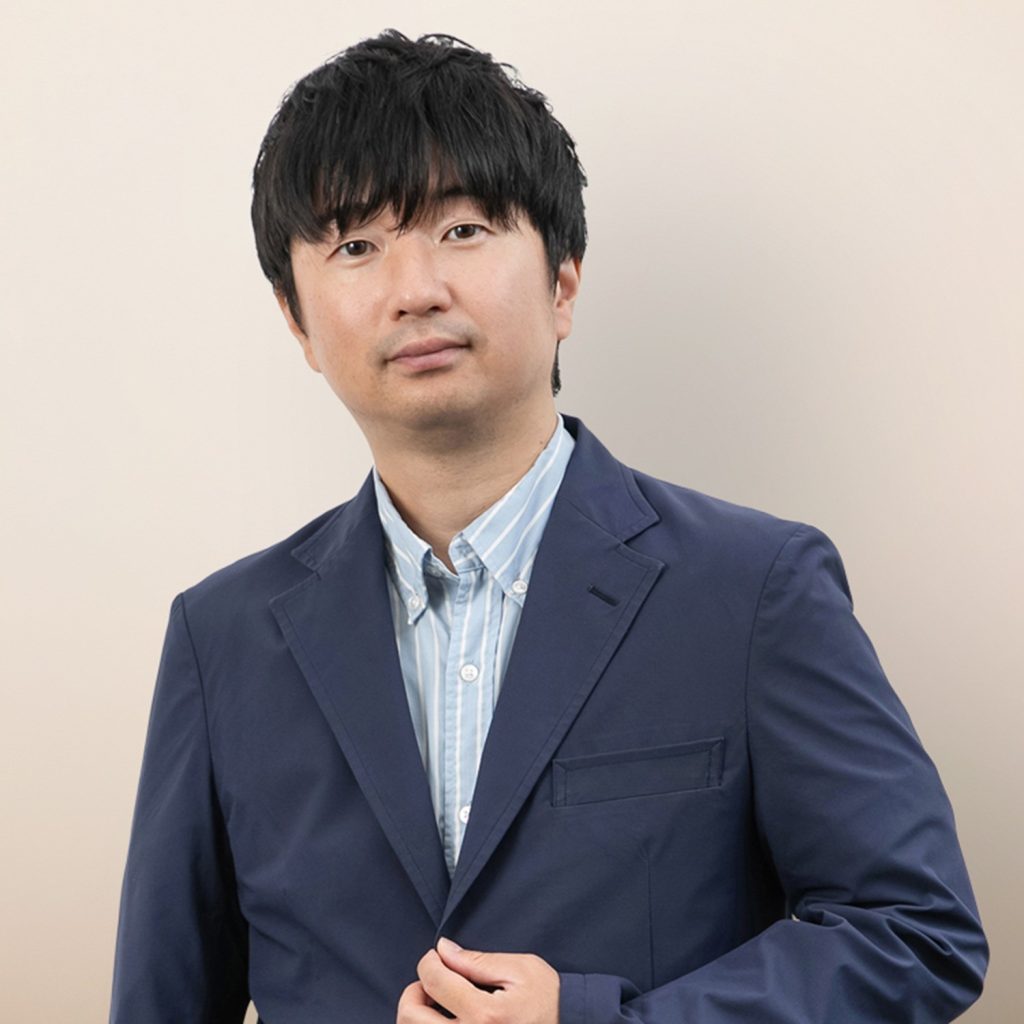
Hideki Katagiri
Attorney at Law of Nishimura & Asahi
-
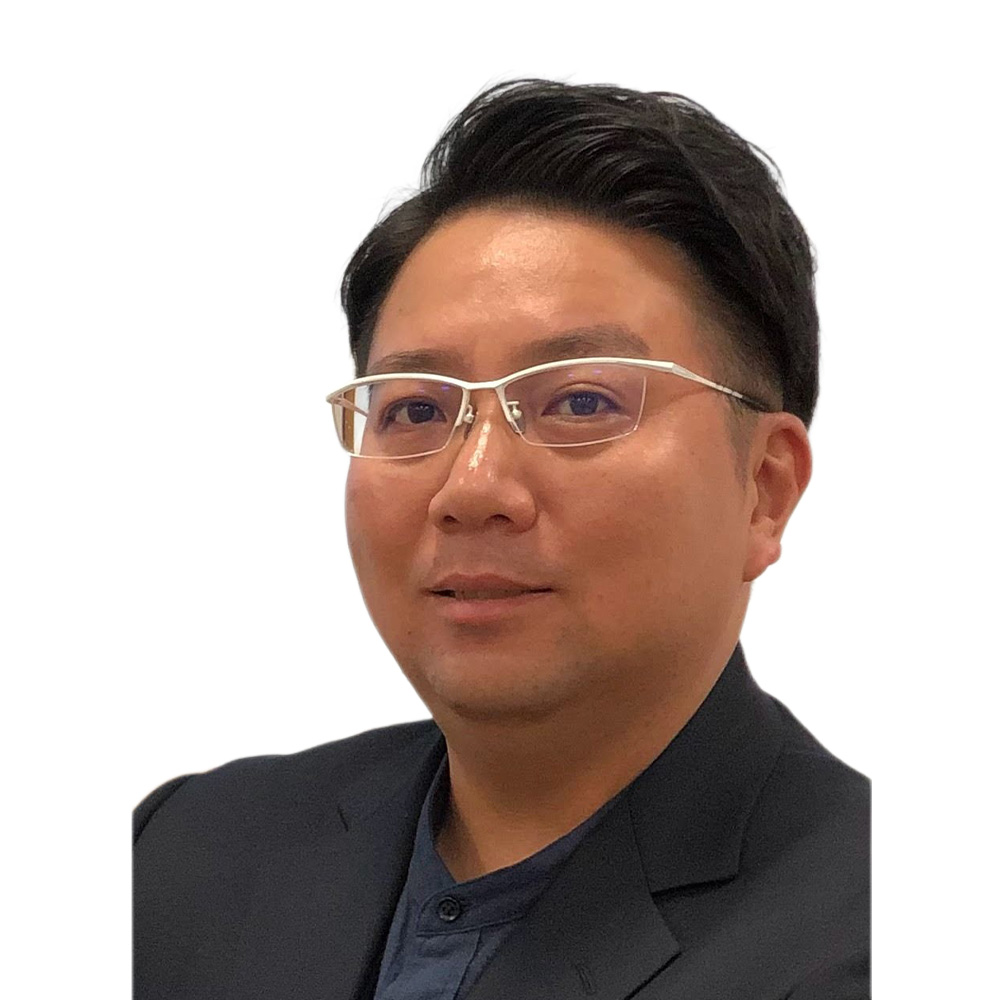
Hidenori Takeshita
President Founder of TOYMEDICAL Ltd.
-

Hiroko Sasaki
Founding Partner & COO, Chefs for the Blue
-
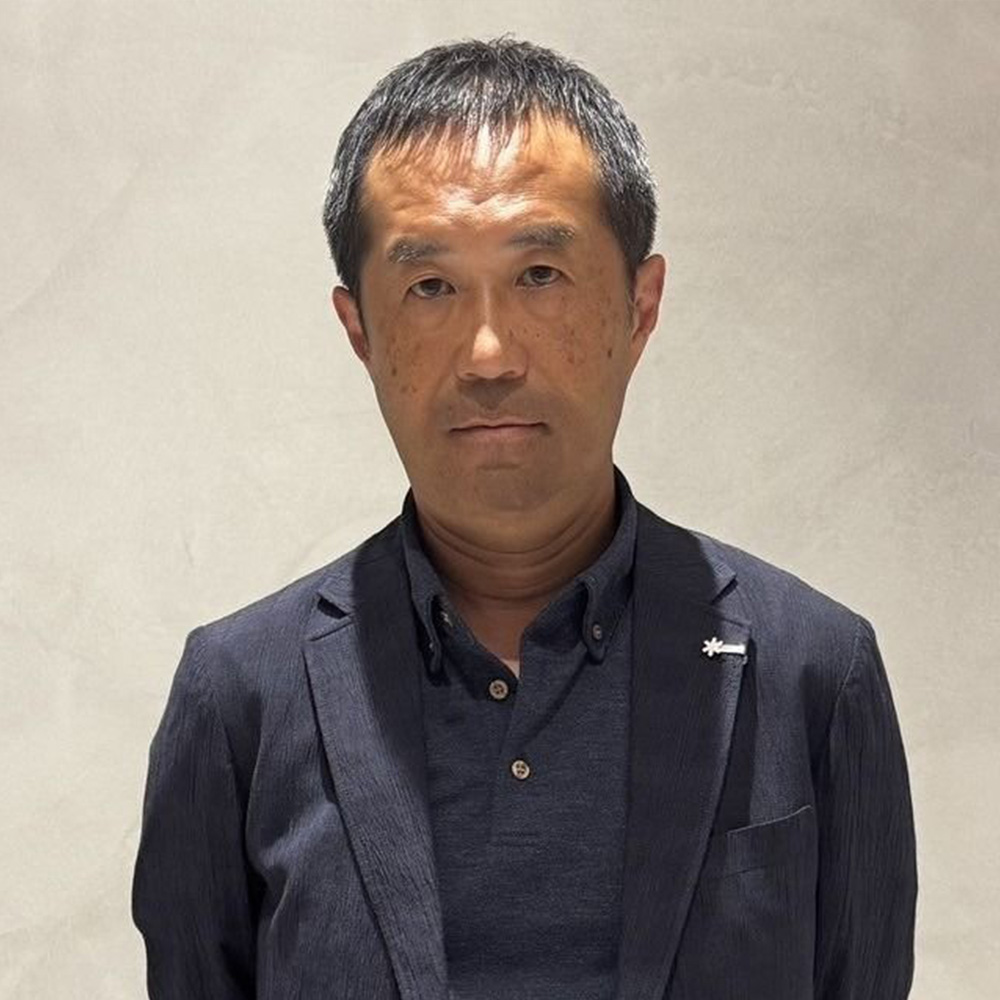
Hiroshi Hiiragi
Senior Manager, New Business Creation Department, MEGMILK SNOW BRAND Co., Ltd.
-
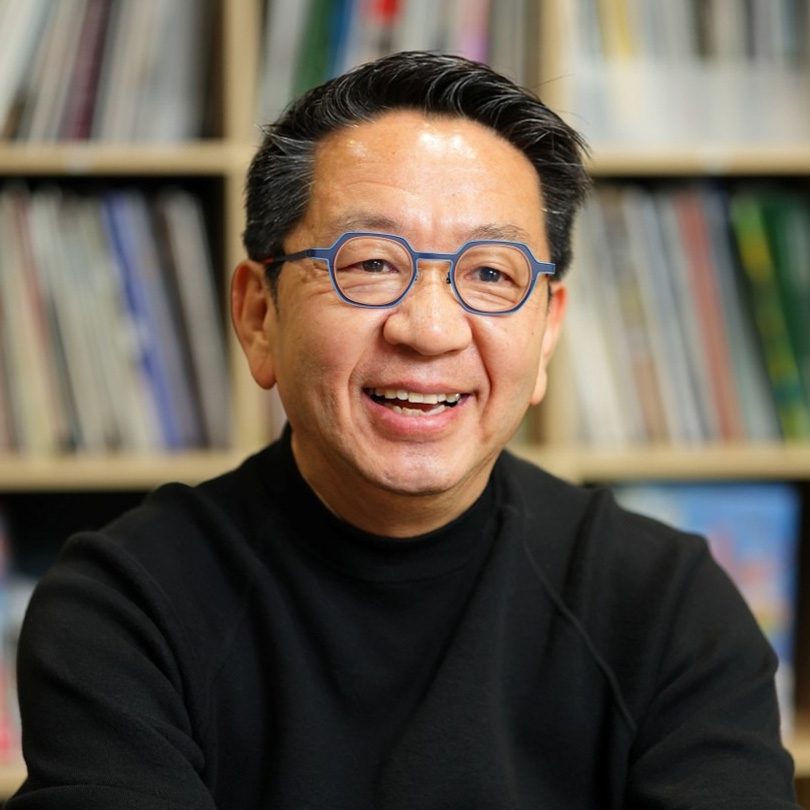
Hiroshi Minato
President & Representative Director of MINATO Co., Ltd.
-
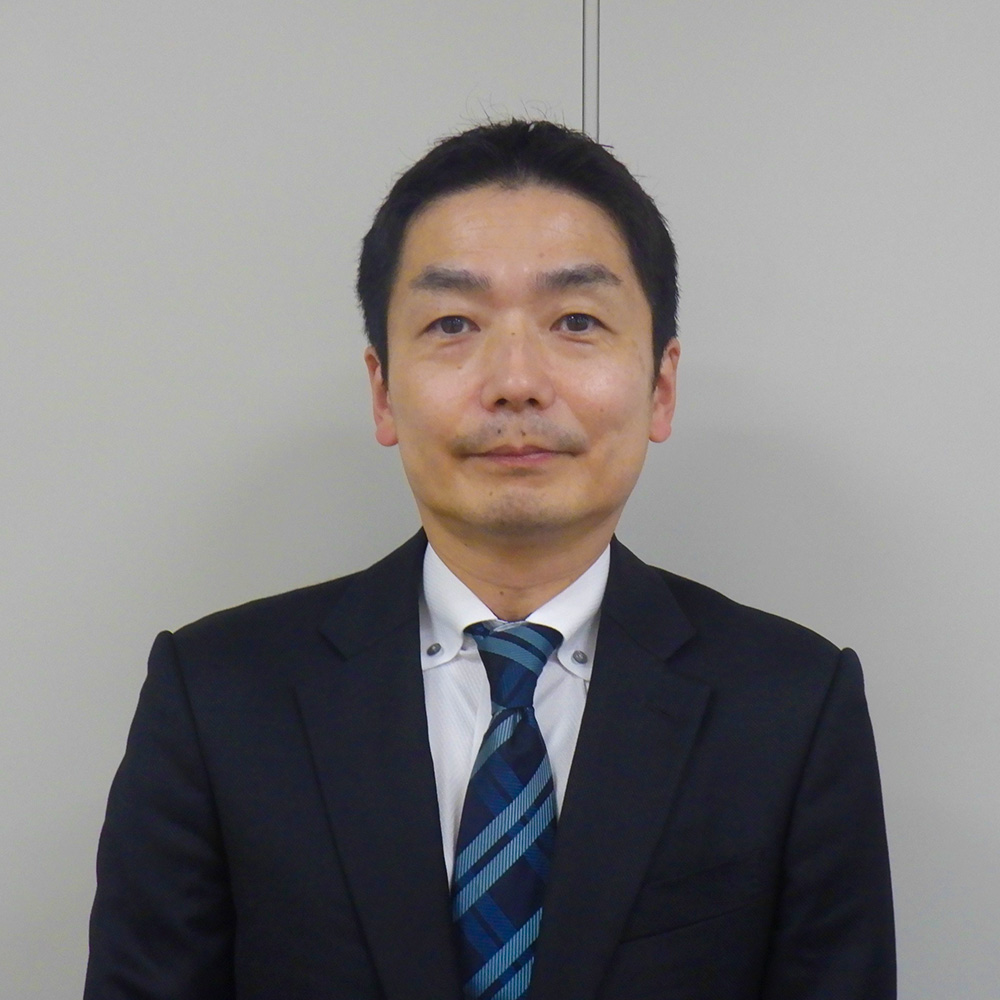
Hiroyasu Itakura
Senior Director , Agriculture, Forestry and Fishery Division of Tokyo Metropolitan Government Bureau of Industrial and Labor Affairs
-
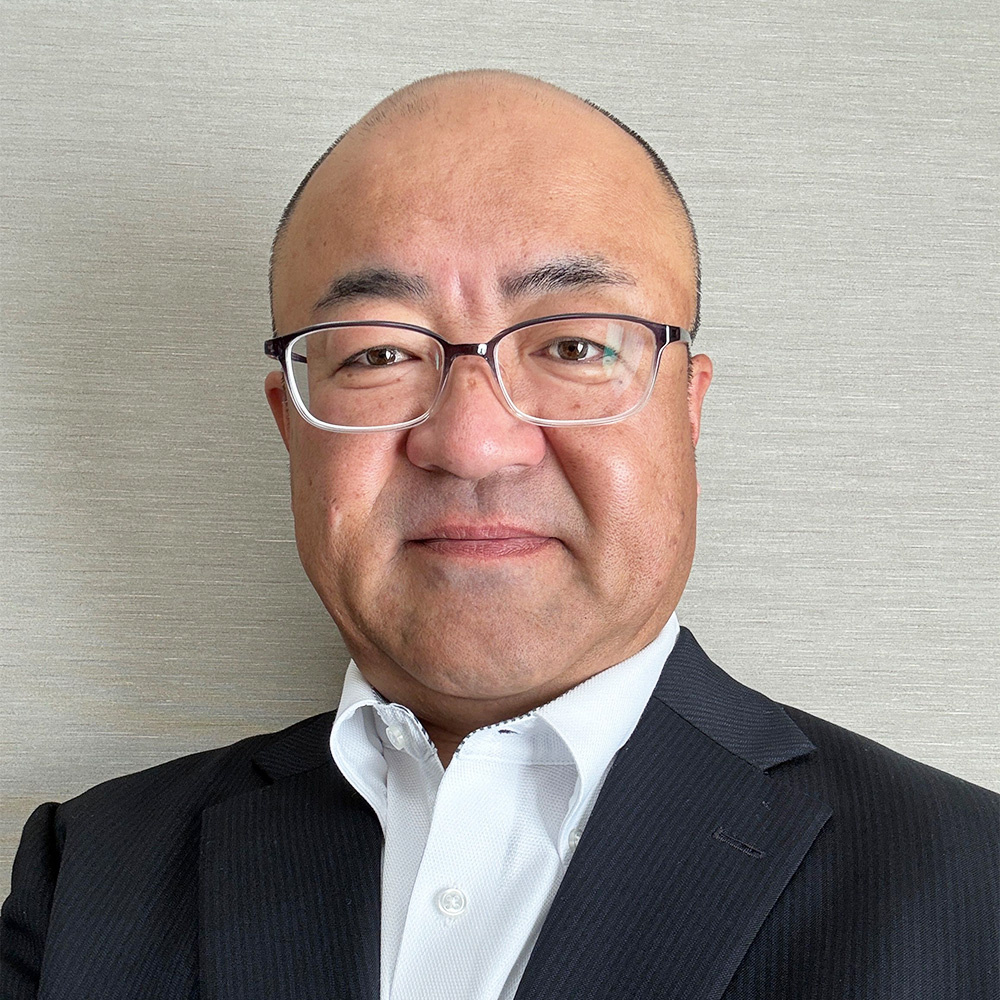
Hiroyuki Shibata
General Manager, Area Development Marketing Office 1, Western Japan Development Division, FUJITA CORPORATION
-
Hiroyuki Shigemasa
Section Chief of Business planning department, IKEDA TOHKA INDUSTRIES CO., LTD.
-
Hitoshi Hokamura
Food Tech Evangelist/Investor
-

Itziar Tueros
Deputy General Manager, AZTI
-

James Bernard
CEO & Co-Founder of Global Impact Collective
-
John Friedman
Asia Director, AgFunder
-
Kana Fujiwara
Vice President of Fujiwara Techno-Art Co., Ltd.
-

Kanako Komaba
International Business of LaLa Corporation
-
Kansei Hayashi
Founder and CEO of vitom Co., Ltd.
-
Kazuhiro Gono
Executive Officer in charge of Future Food of NISSIN FOODS HOLDINGS CO., LTD.
-
Kensei Okada
Board member of Cellular Agriculture Institute of the Commons /The University of Tokyo Shoji Takeuchi Lab / Research Fellow of Japan Society for the Promotion of Science
-
Kiichi Noto
Manager, Niigata Foodtech Town Section, Foodtech Department, Corporate Planning Division of Oisix. Inc.
-
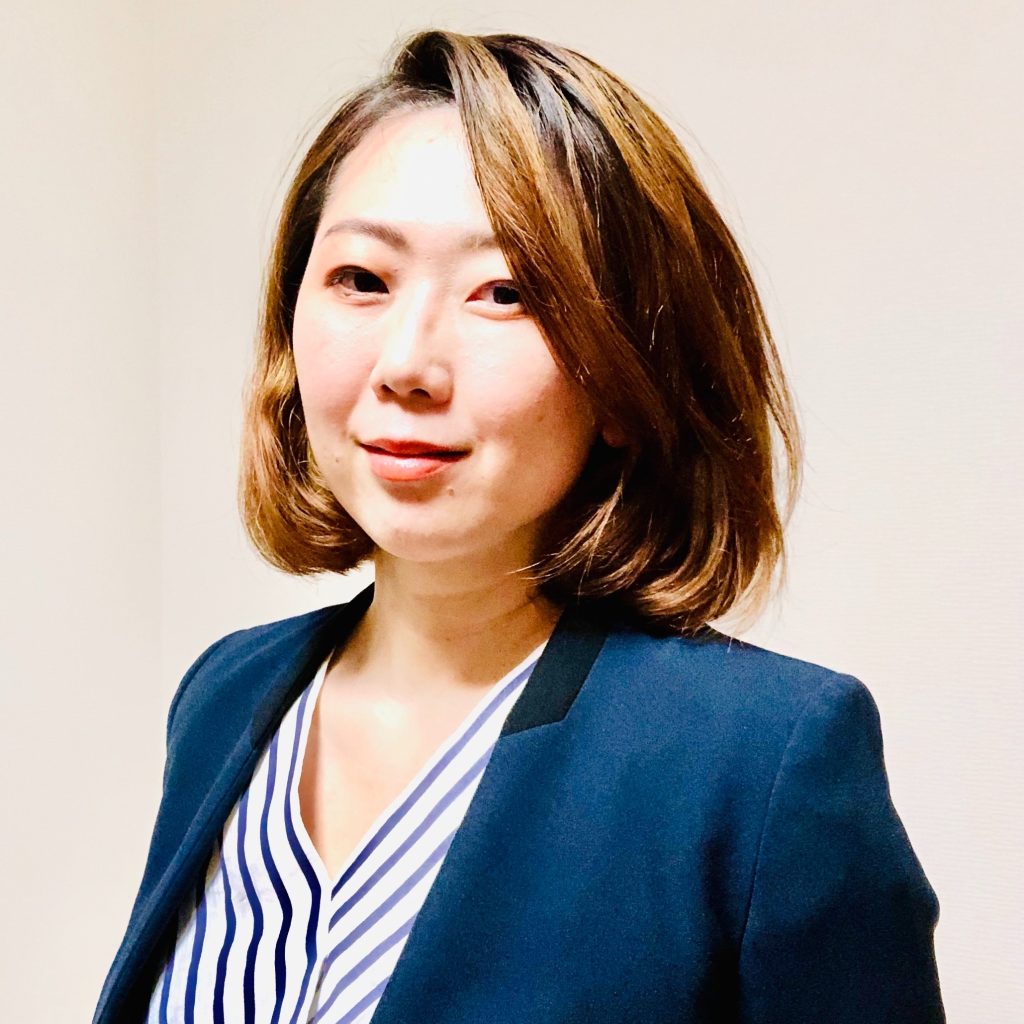
Kimiko Hong
Director of Strategic Partnerships of The Good Food Institute Japan
-
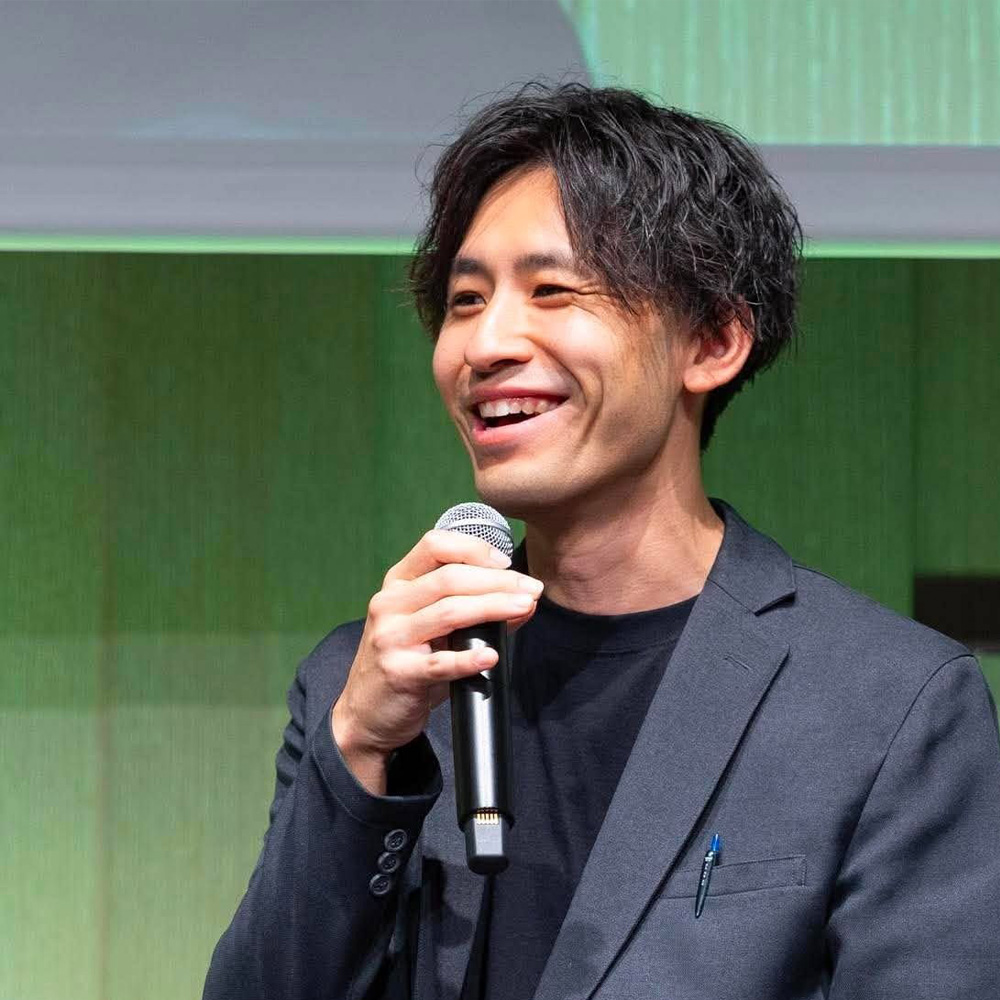
Kohei Futatsui
Chief, Tokyo R&D Division, Ikeda Tohka Industries Co., Ltd.
-
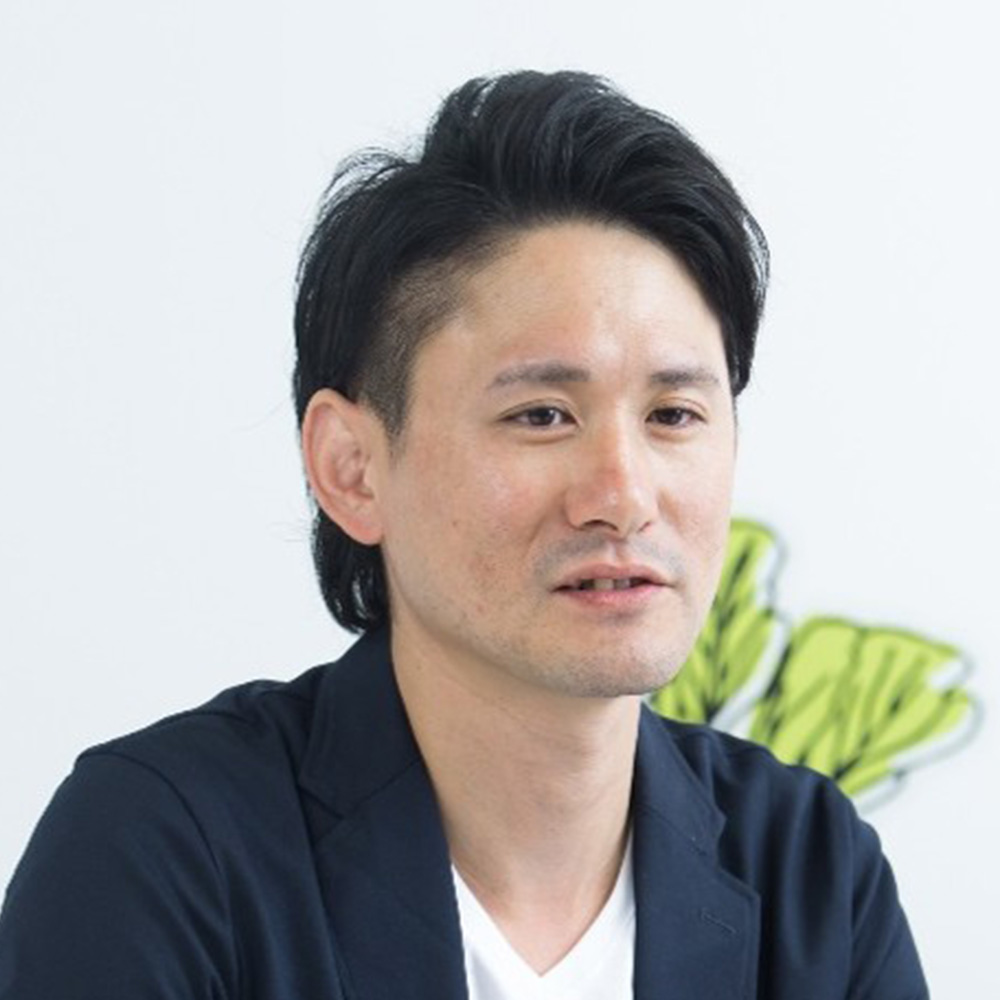
Kohei Matsumoto
Director, Oisix Inc. / Representative Director, Future Food Fund Inc.
-
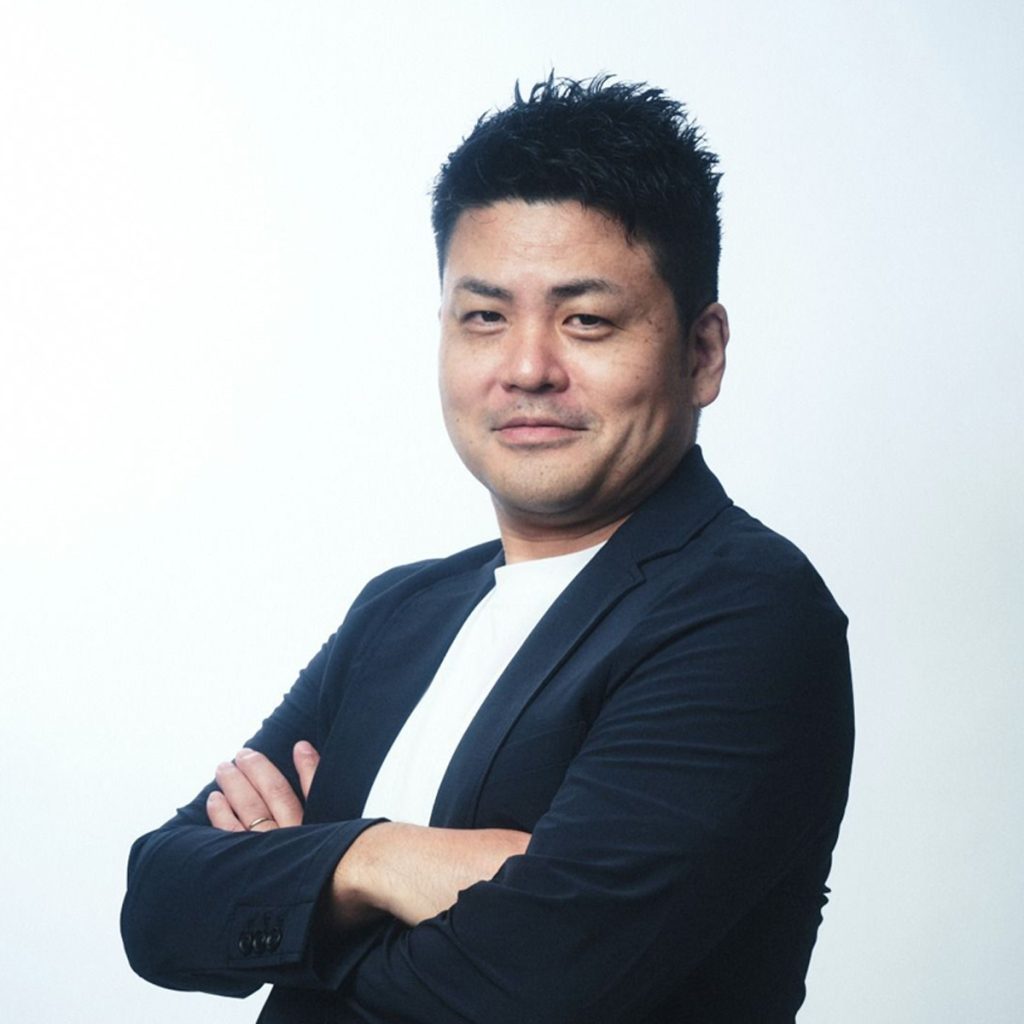
Kohei Tokuyama
Executive Officer, Kuradashi Co., Ltd. / CEO, Kuradashi Food Company
-
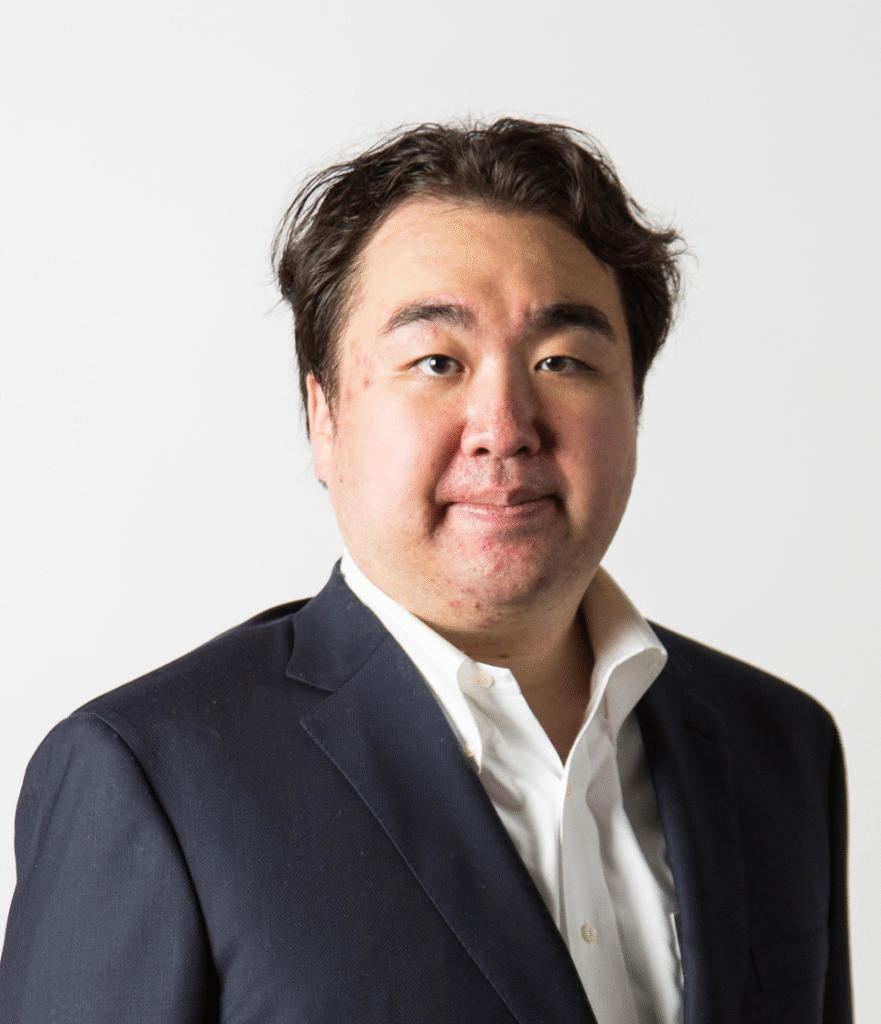
Kosuke Yamada
Founder & CEO of PLANTX Corp.
-
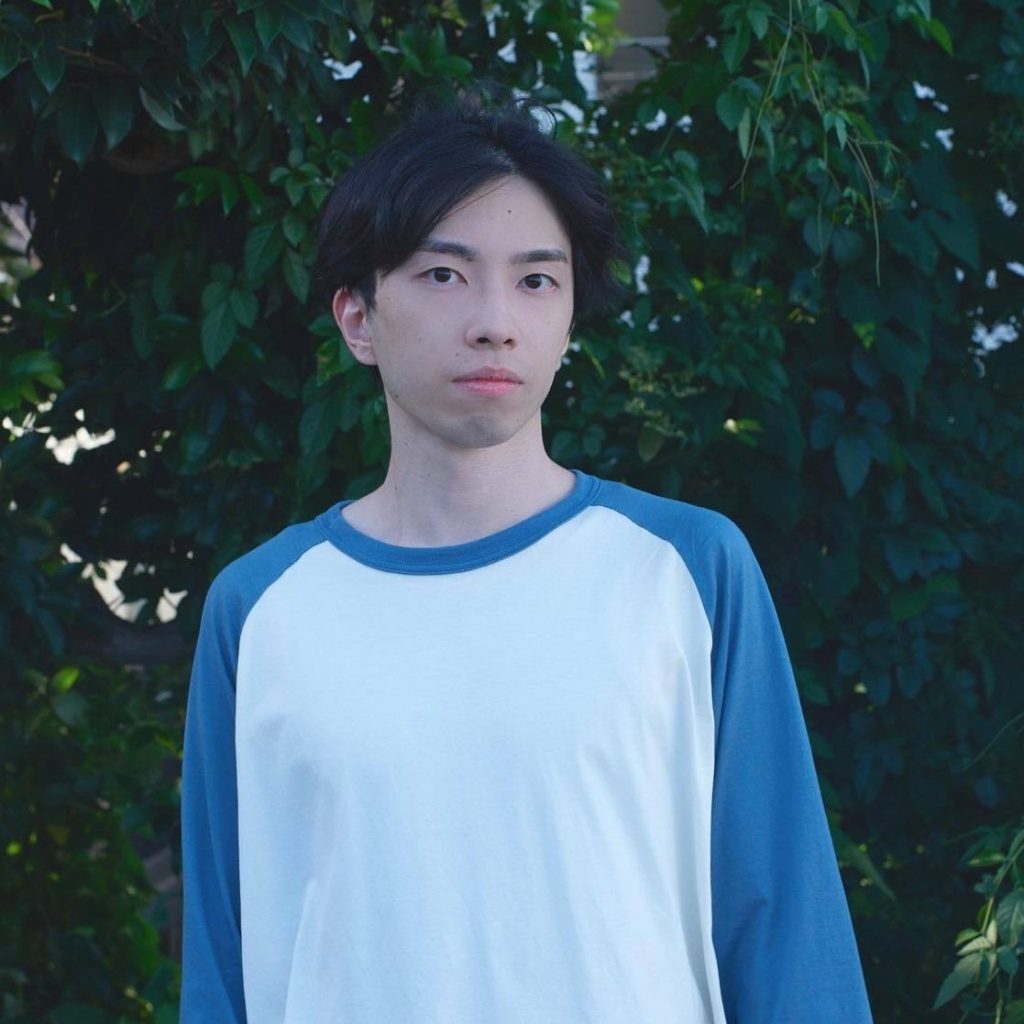
Kotaro Okada
Director of WIRED Regenerative Company Lab
-

Lee Kindell
Founder, MOTO PIZZA
-
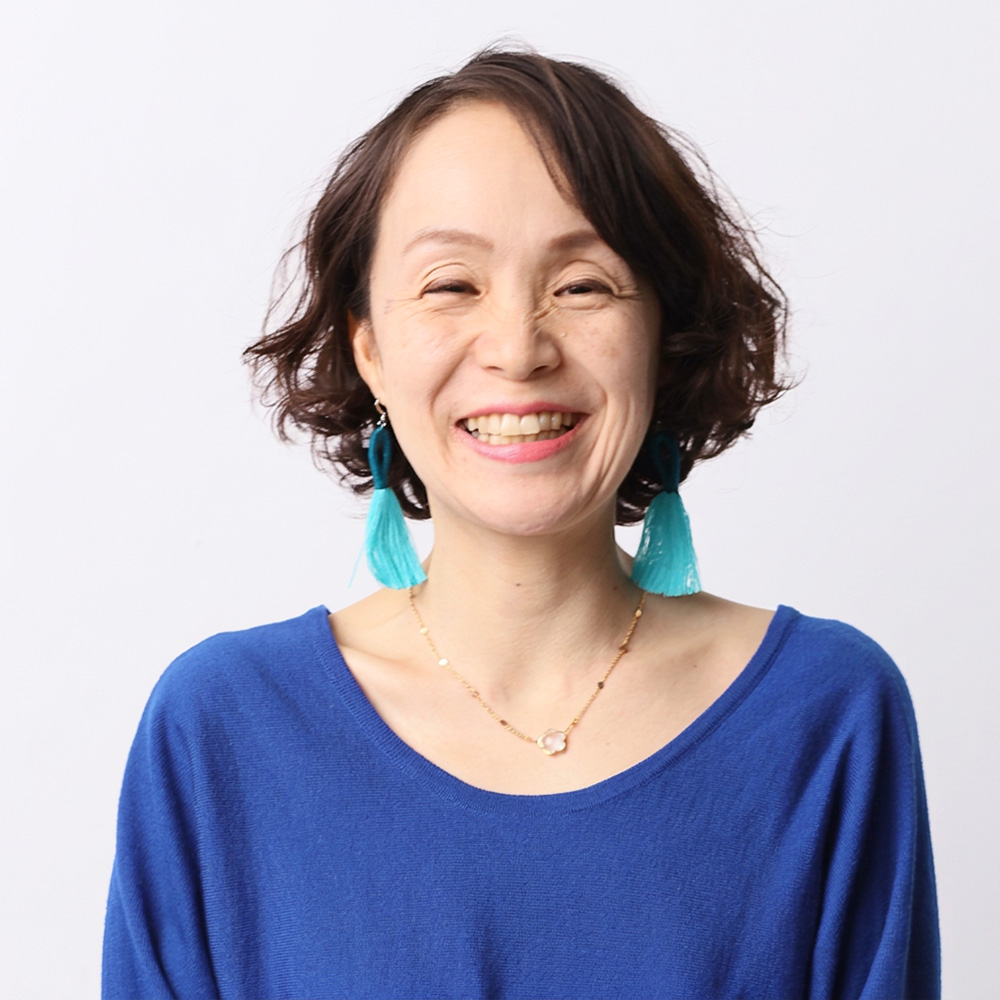
Lina Sakai
Fermenstation Founder and CEO
-
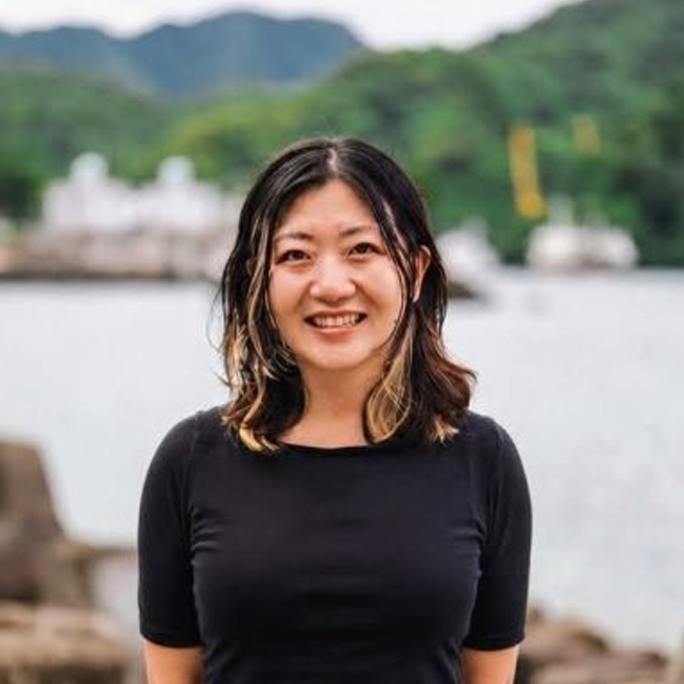
Lisa Park
Director of International Matcha Congress, International Matcha Association
-
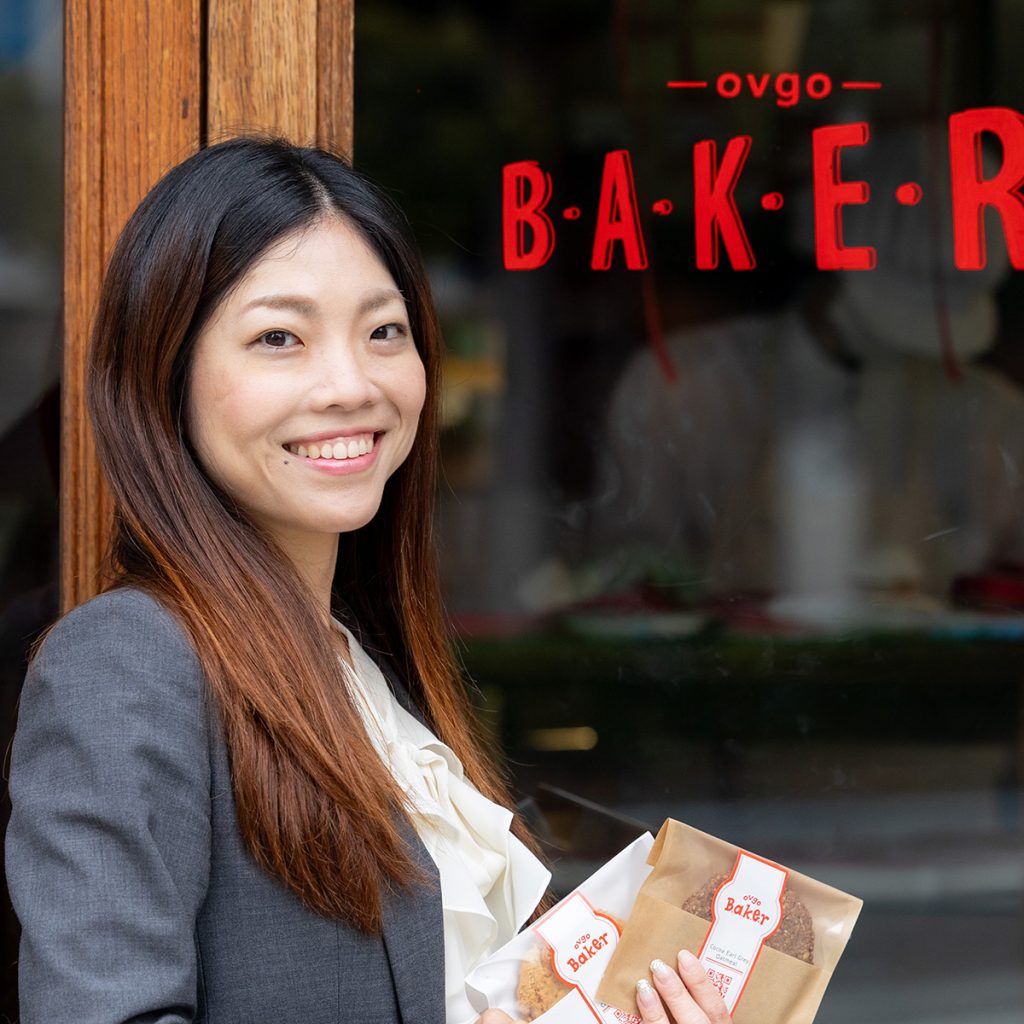
Lisa Takagi
CEO of ovgo Inc.
-
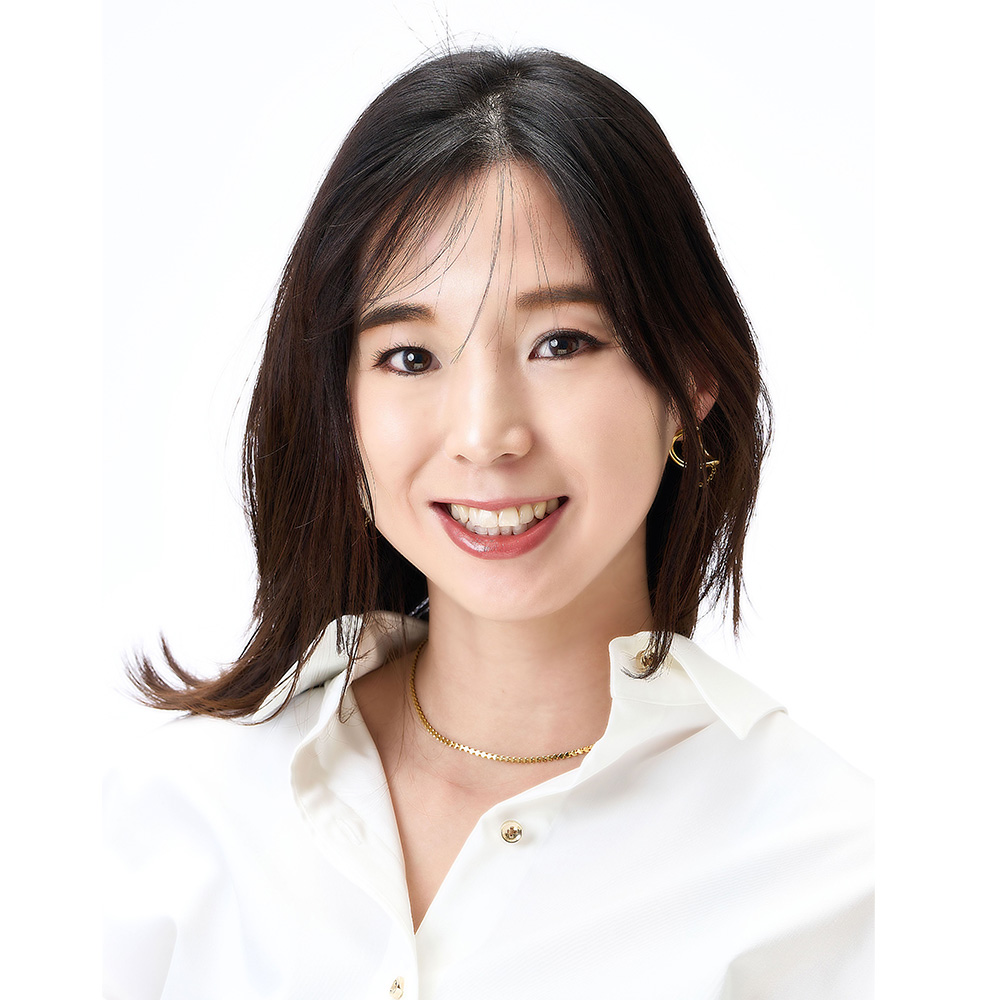
Maki Furukawa
Deputy General Manager, Innovation & New Business Development Department of Mizuho Bank, Ltd
-
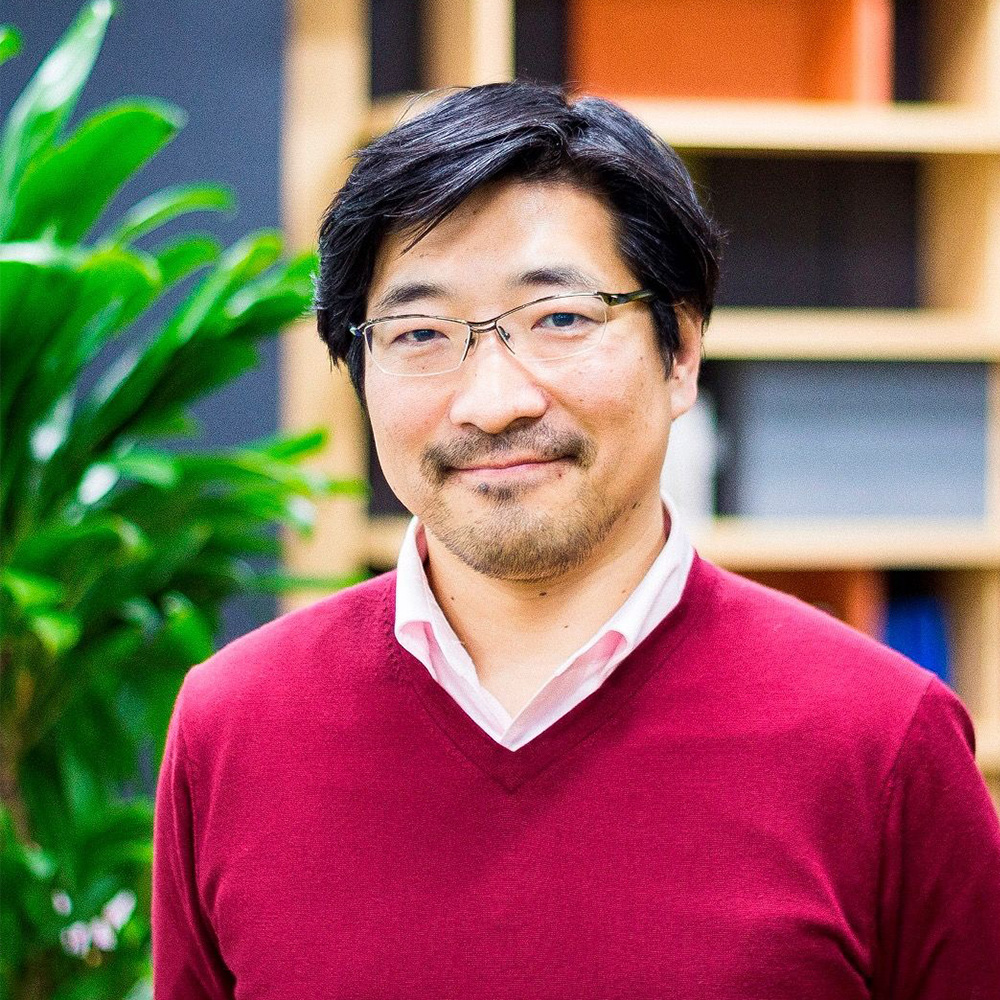
Masa Fukata
Managing Director, Carmine Works LLC
-

Masa Iwasaki
Co-Founder of Webrain Think Tank
-
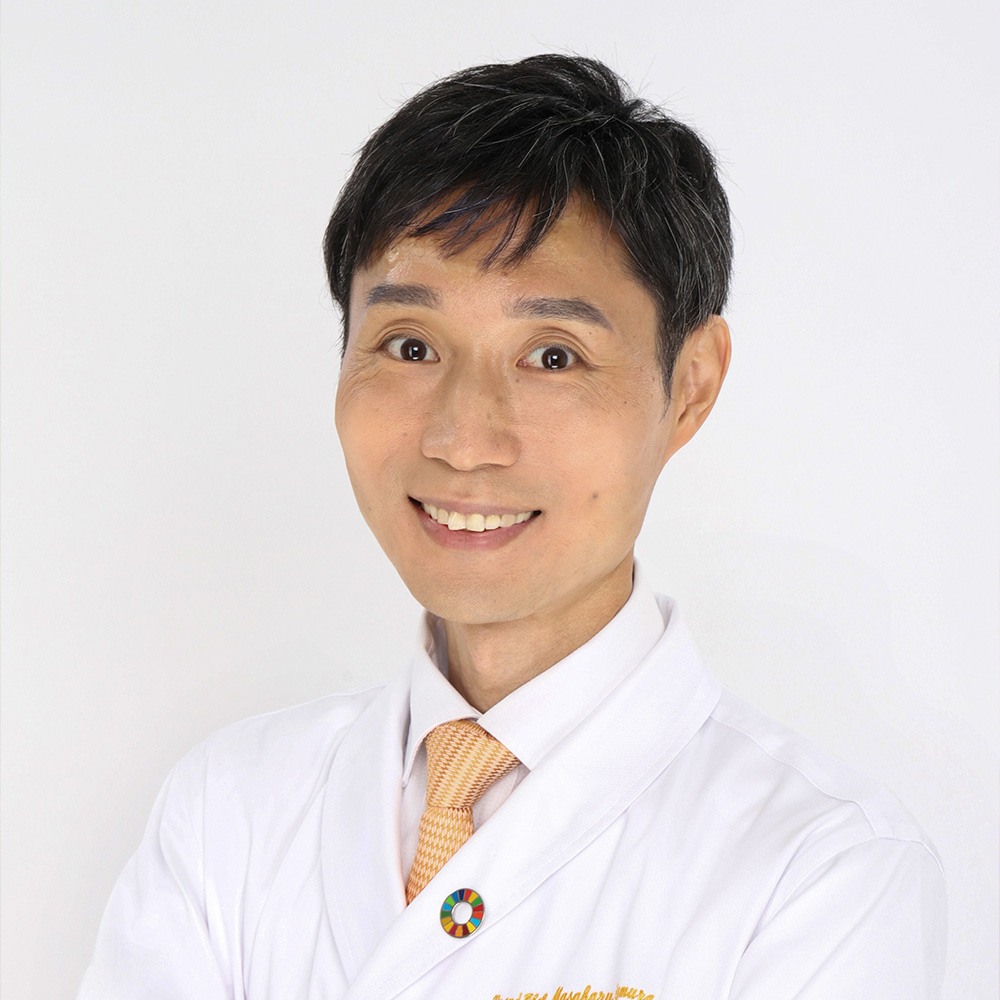
Masaharu Shimamura
Owner & Executive Chef, Unkaku
-
Masahiko Nakahama
Yoren Brand Center / Marketing Sales General Manager of YOREN LIMITED
-
Masahiro Kariyama
Managing Director of Fujiwara Techno-Art Co., Ltd.
-
Masahiro Yoritama
CEO / CRO of NINZIA Inc. / Ninzia Foodworks Inc
-
Masaki Kamo
Deputy Director, Kyoto Prefectural Government
-

Masaki Koike
Managing Editor, De-Silo
-
Masaki Tanaka
Managing Director, Chemicals & Well-being Division, Corporate Banking Group, MUFG Bank, Ltd.
-
Masuo Chiba
M.C.BEEF Kanzaki Co., Ltd. (Brand: Kakunoshin)
-
Miho Chiba
Global Growth Director, Kita-Sanriku Factory Inc.
-
Mizuko Uchida
Market Analyst, Commercial Office of the Embassy of Spain
-
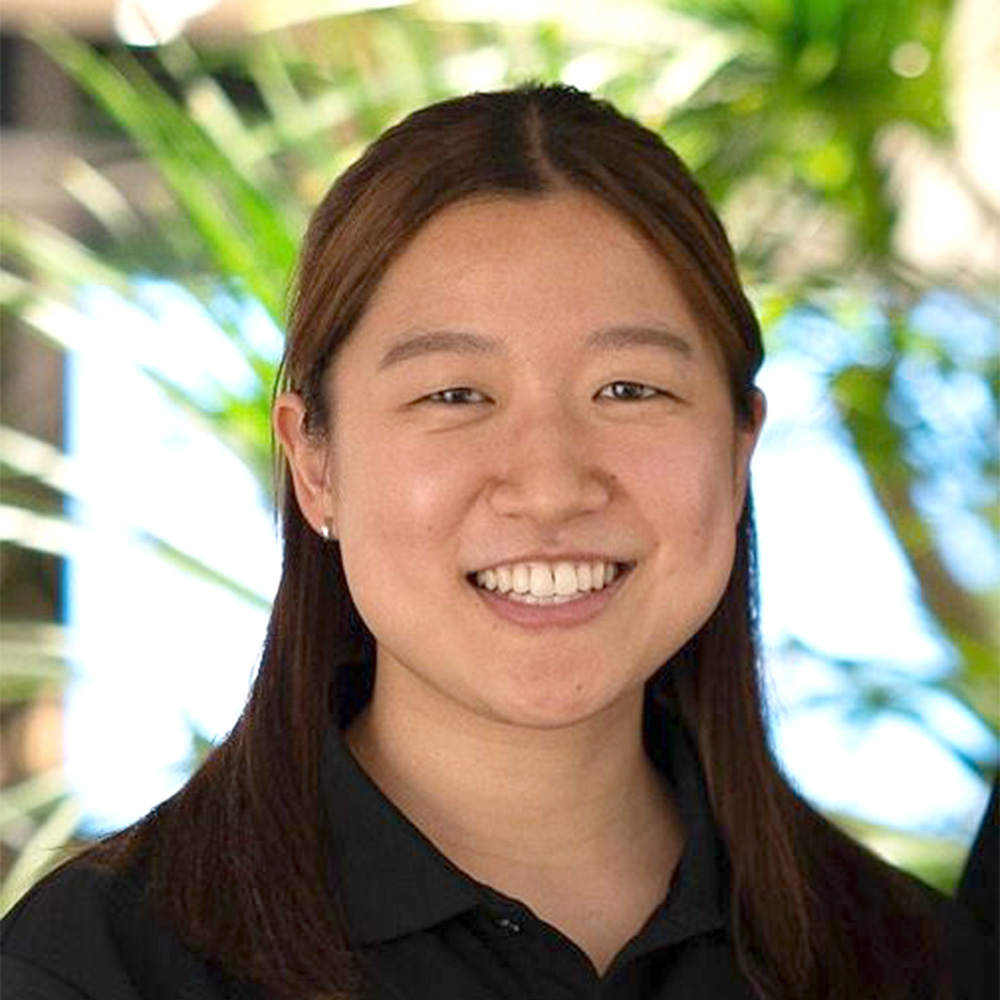
Moana Kitamura
CEO and Co-Founder, Floatmeal Co., Ltd.
-

Natalie Shmulik
Head of Innovation, JPG Resources
-
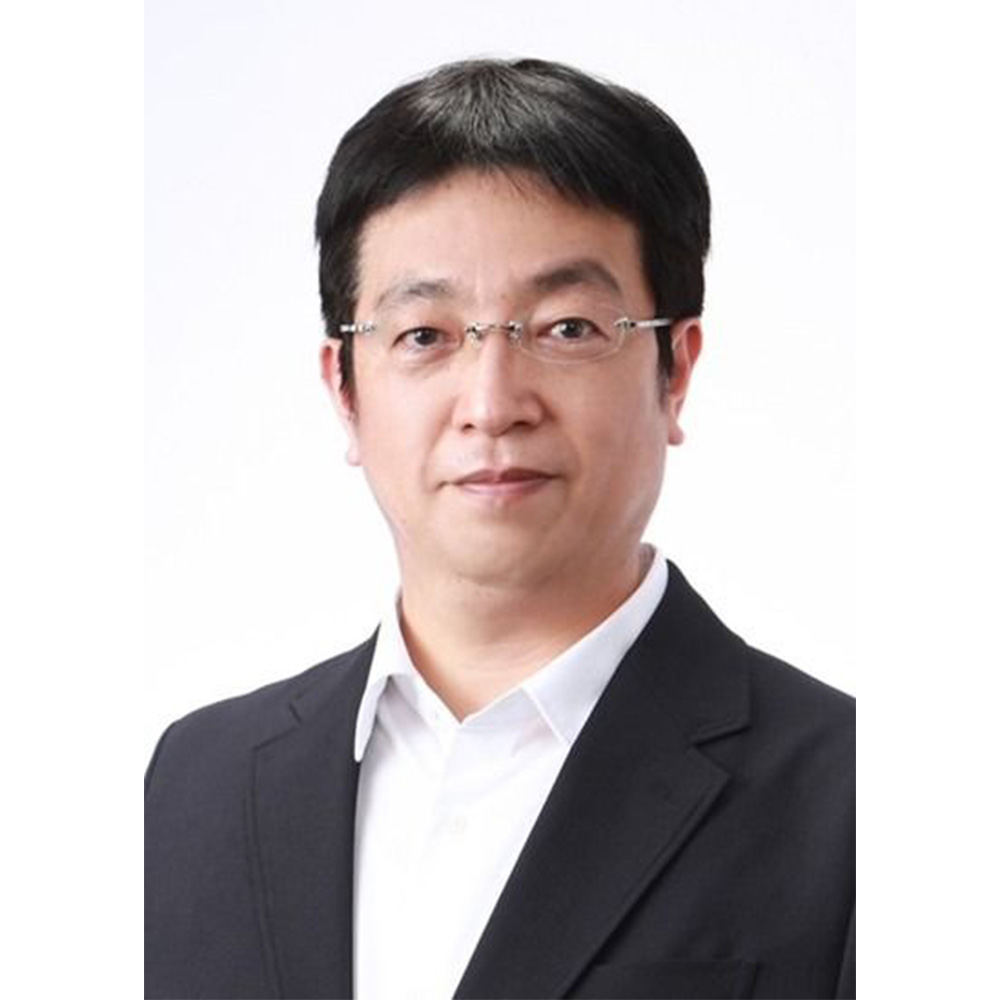
Nobuhide Kunitomo
General Manager, RD Promotion Section, Mitsubishi Chemical Engineering Corporation
-
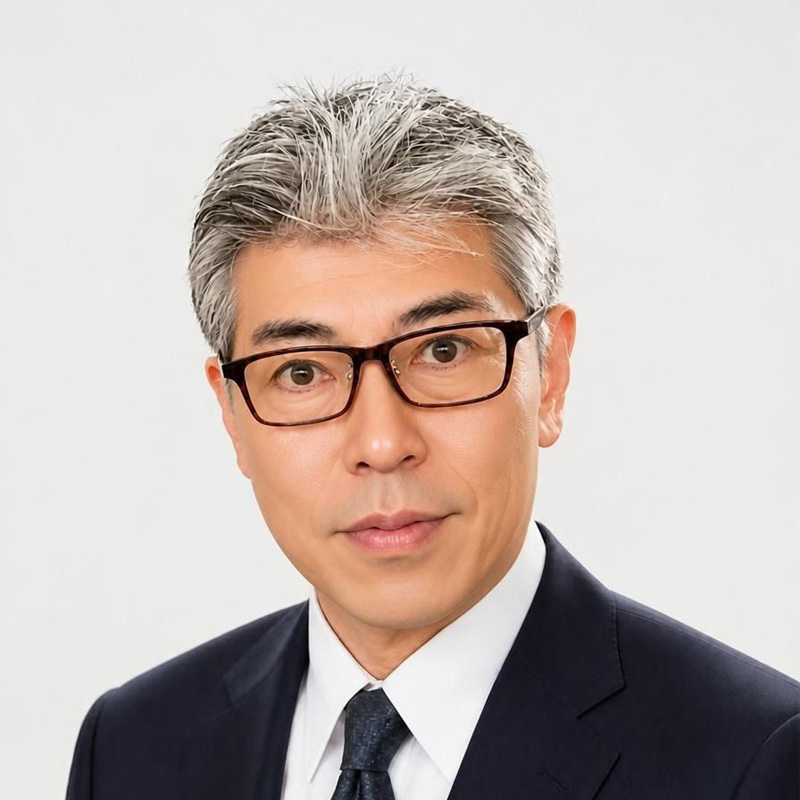
Nobuhiko Matsumoto
Director, Assentia Holdings Incorporated
-
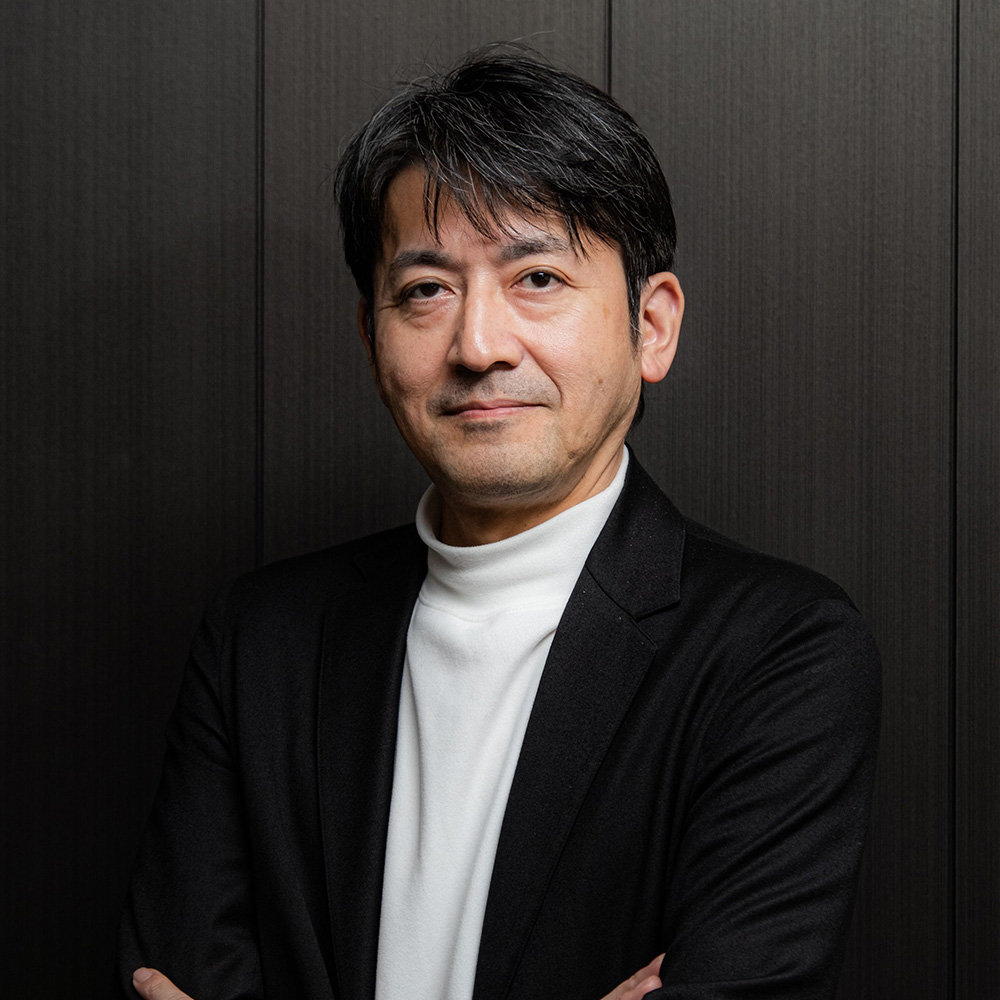
Nobuhisa Hamana
Director, Mizkan Holdings Co., Ltd.
-
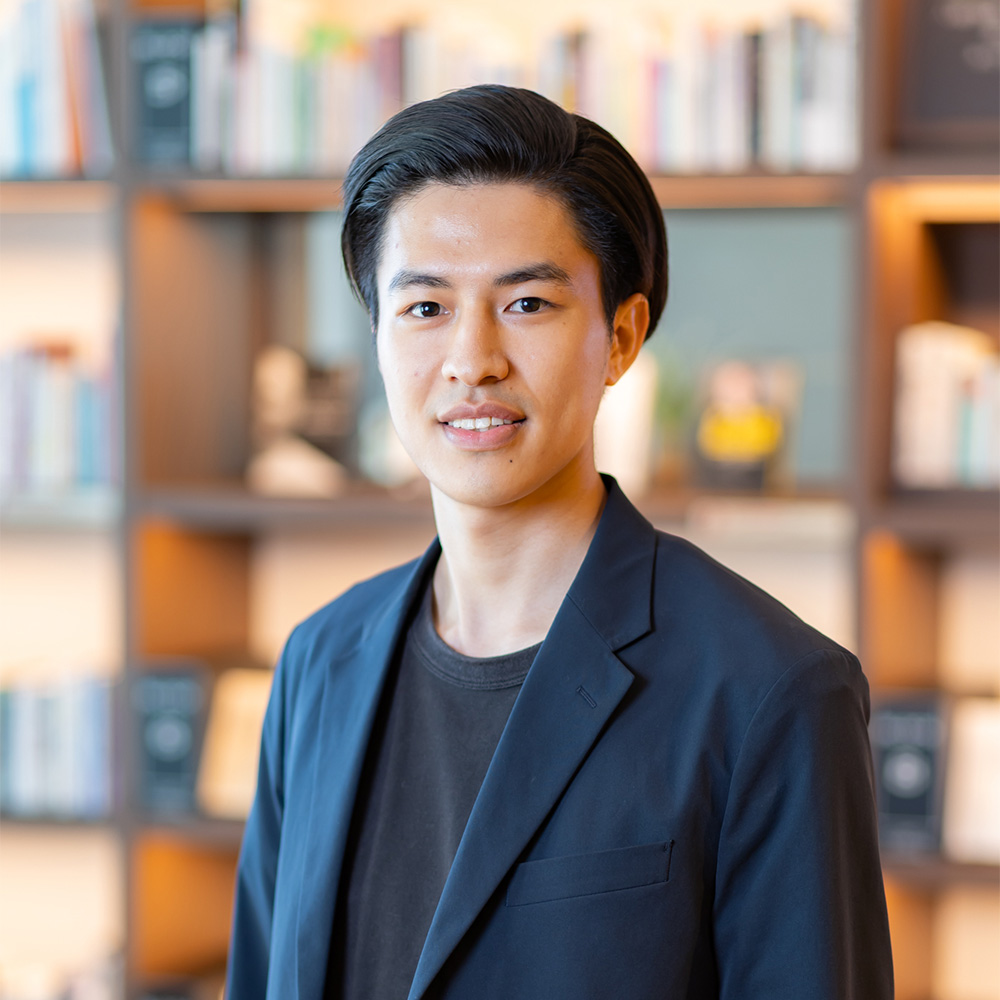
Nobutaka Yoshida
person in charge of &mog by Mitsui Fudosan, MitsuiFudosan Co., Ltd.
-
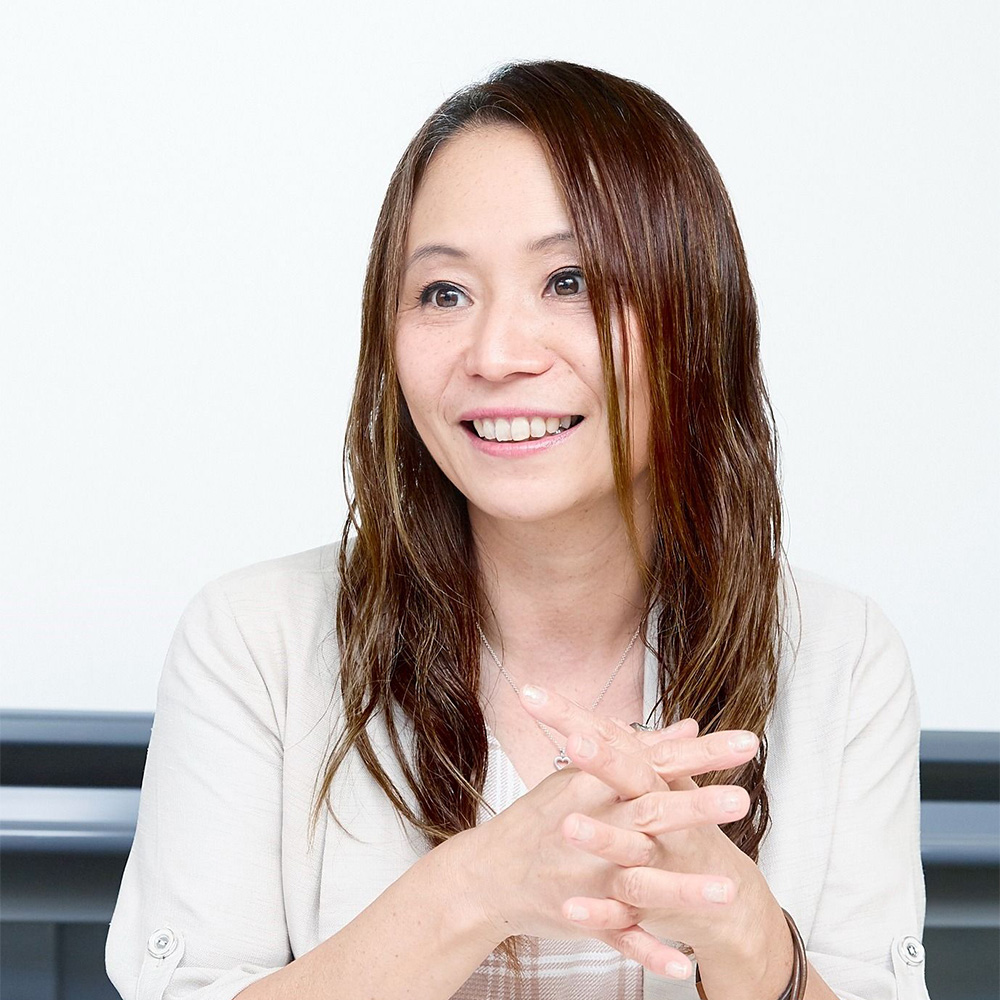
Nobuyo Tsuboyama-Kasaoka
Project Leader, International Standards Committee for Food Emergency Situations / Director, SPACE FOODSPHERE
-
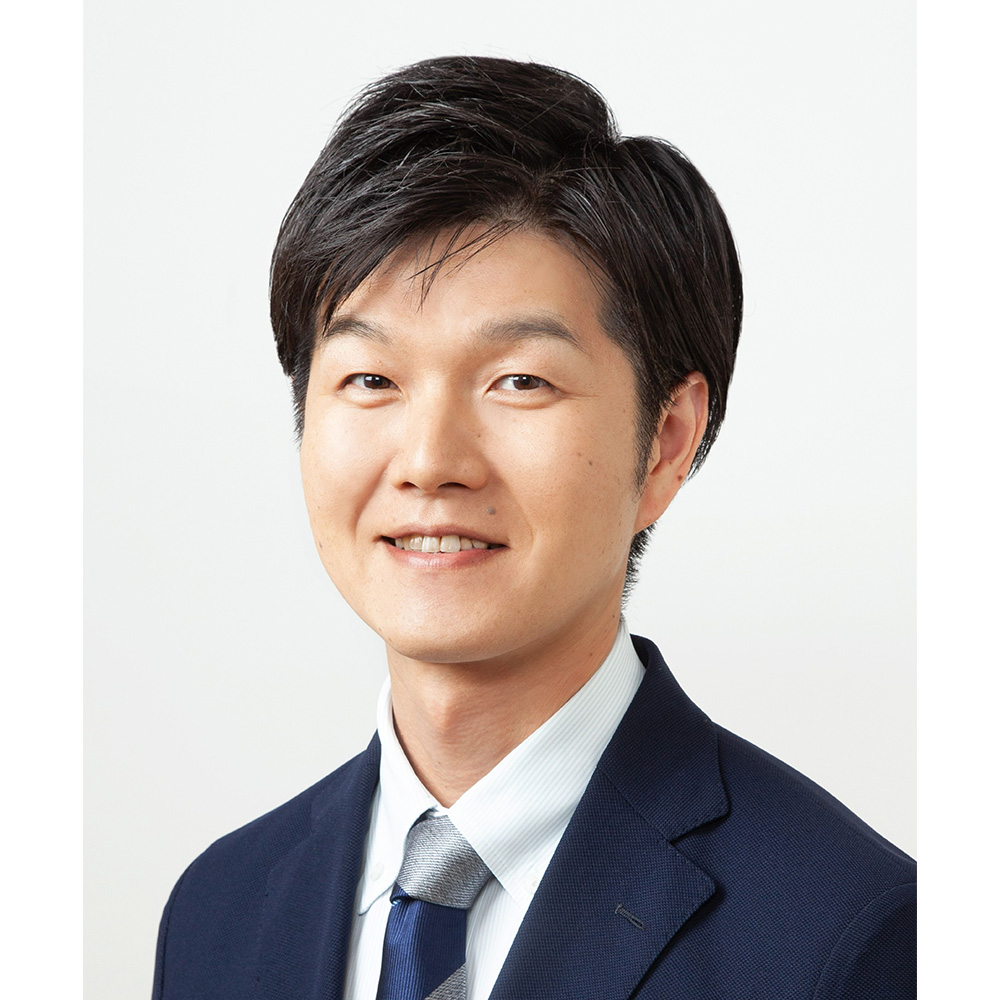
Norikazu Suzuki
former Minister of Agriculture, Forestry and Fisheries/Member of the House of Representatives
-
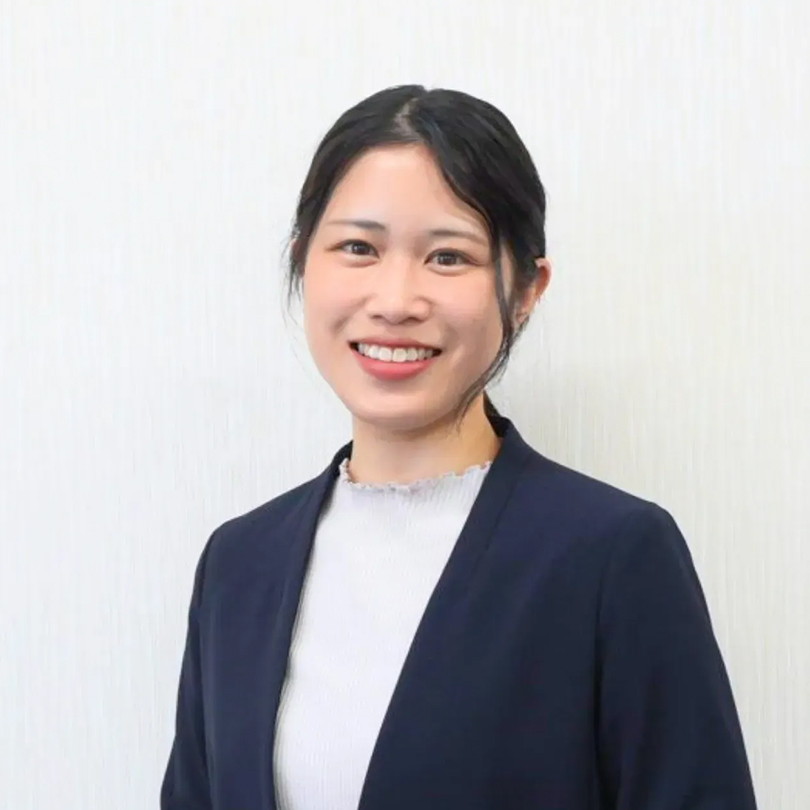
Nozomi Taniguchi
TOYMEDICAL Ltd.
Marketing Department
-
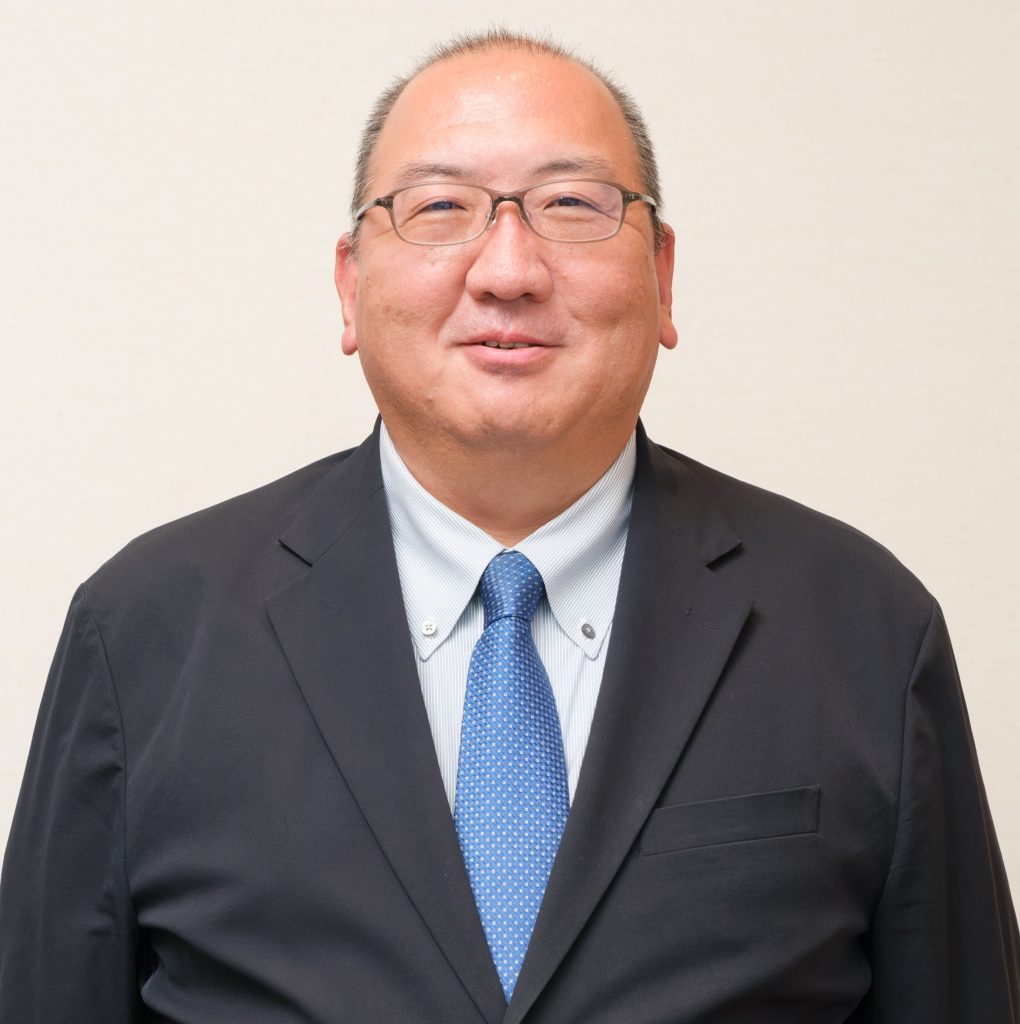
Osamu Nakahara
General Manager of Nihonbashi Urban Planning and Development Department of Mitsui Fudosan Co., Ltd.
-
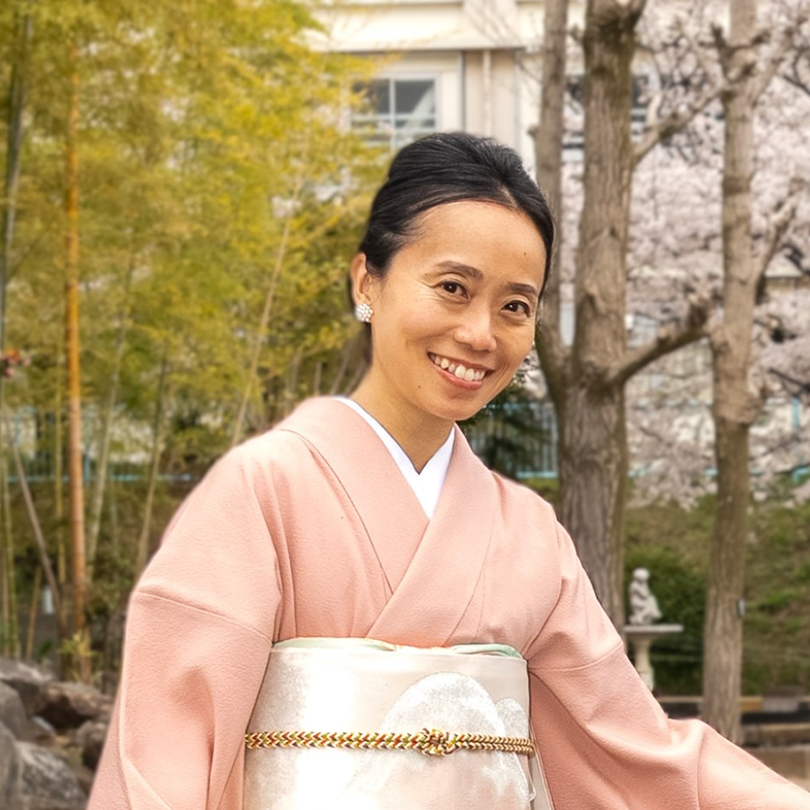
Renata Watami
Assistant Manager of Community Empowerment Department of Tokyo Tatemono Co.,Ltd.
-
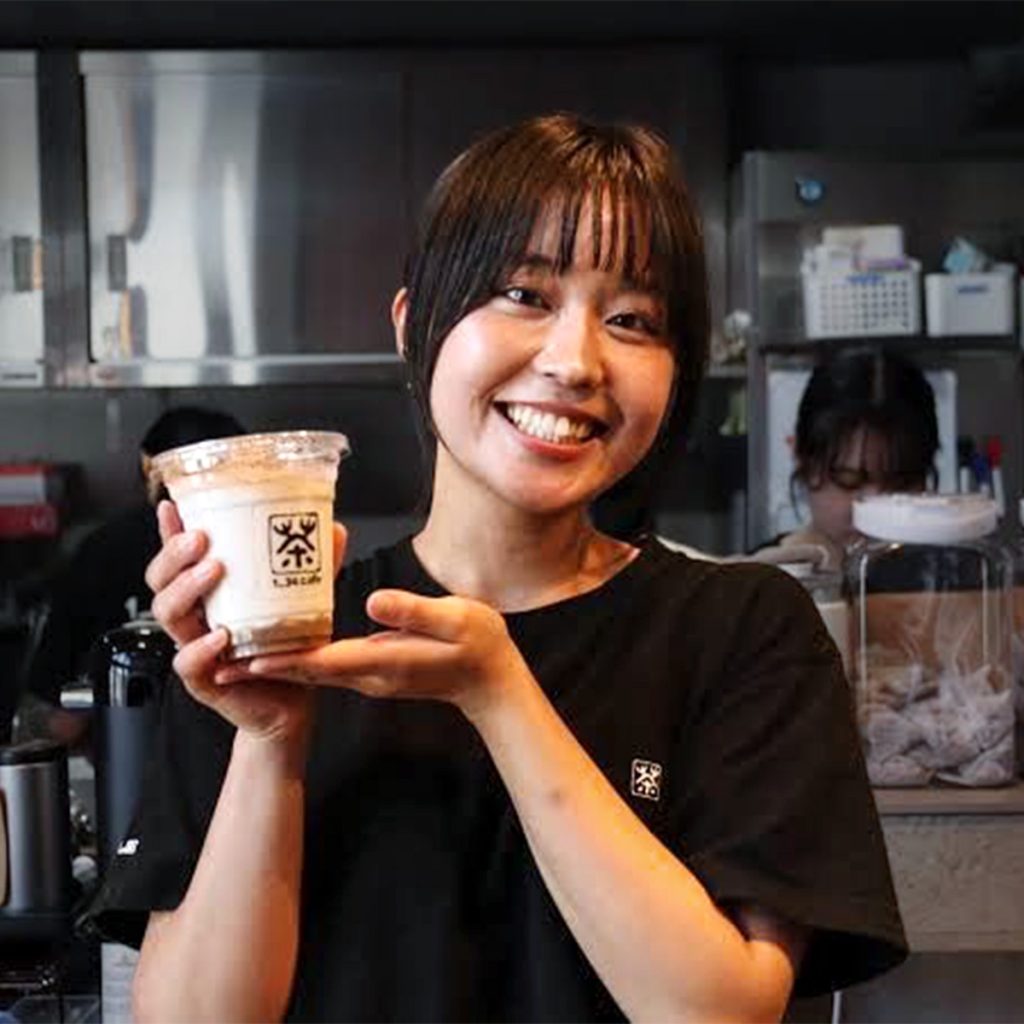
Rika Isashi
Café Manager, 1_34cafe, Isashi Seicha Co., Ltd.
-

Rusty Schwartz
CEO of KitchenTown
-
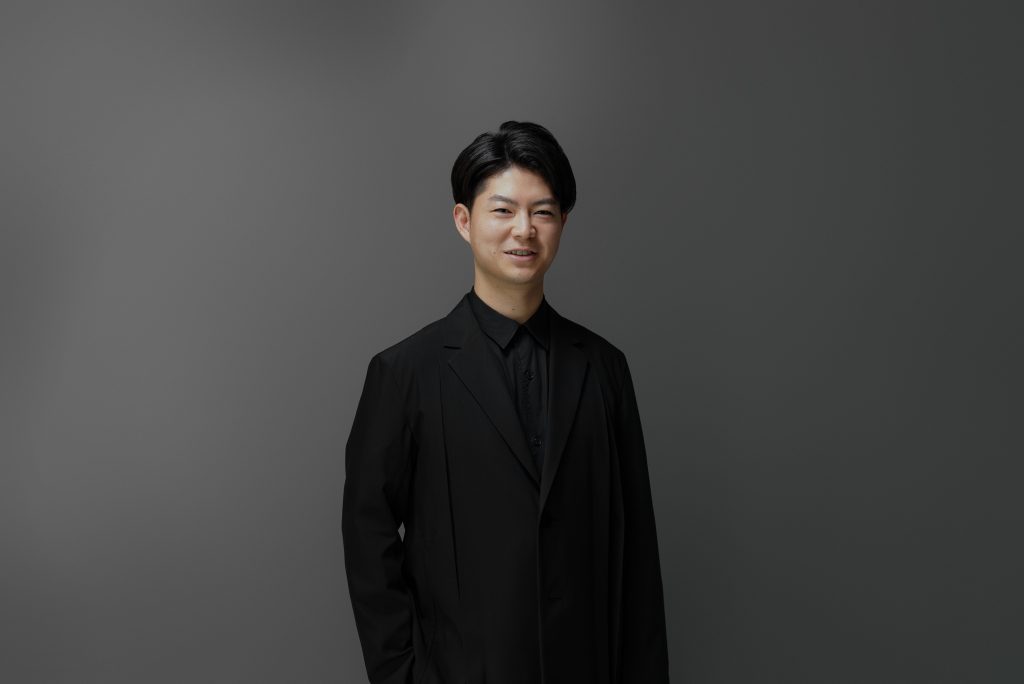
Ryo Iwamoto
CEO of TeaRoom Inc.
-
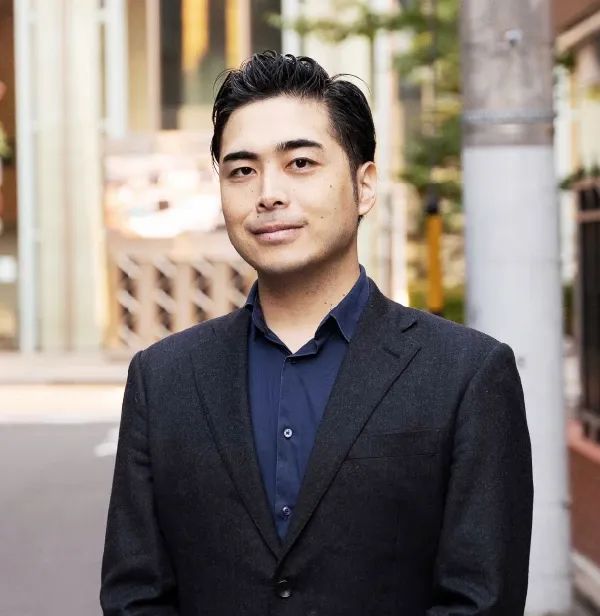
Ryo Nakaki
CEO & CTO, Rhelixa, Inc.
-

Ryoko Tsutsui
Founder & COO, TOKYO BAL
-
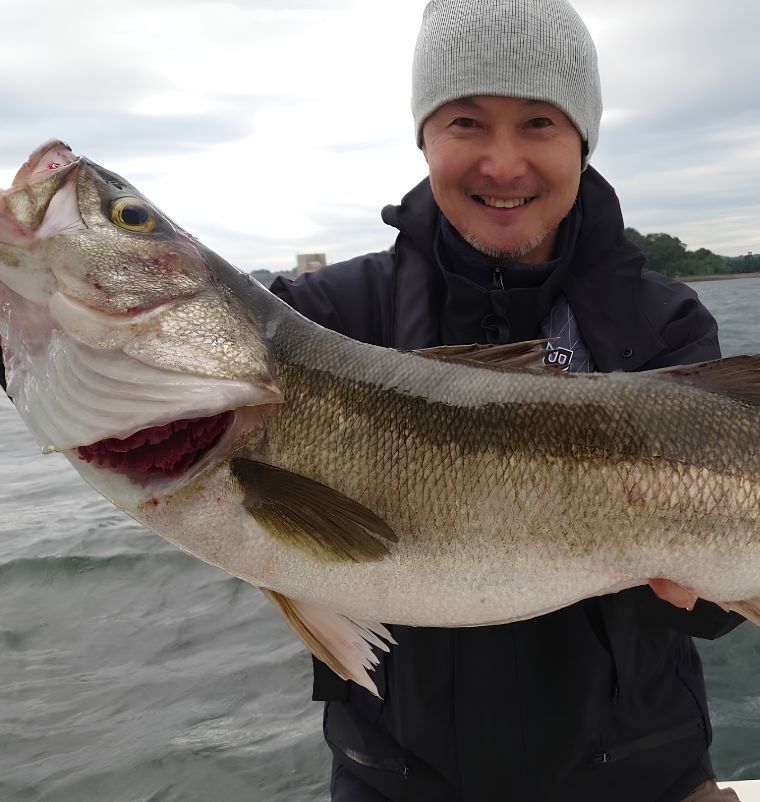
Ryuichi Chiba
General Manager, Sales Department, ARK Inc.
-

Sarah Sha
Director of Strategy, KitchenTown
-
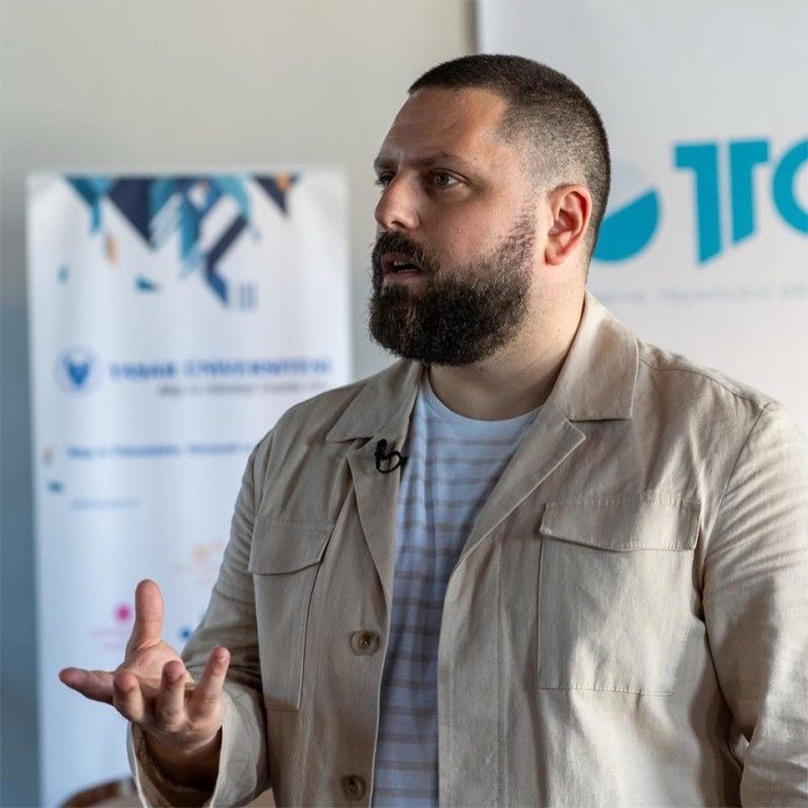
Semi Hakim
Co-Founder of Kök Projekt
-
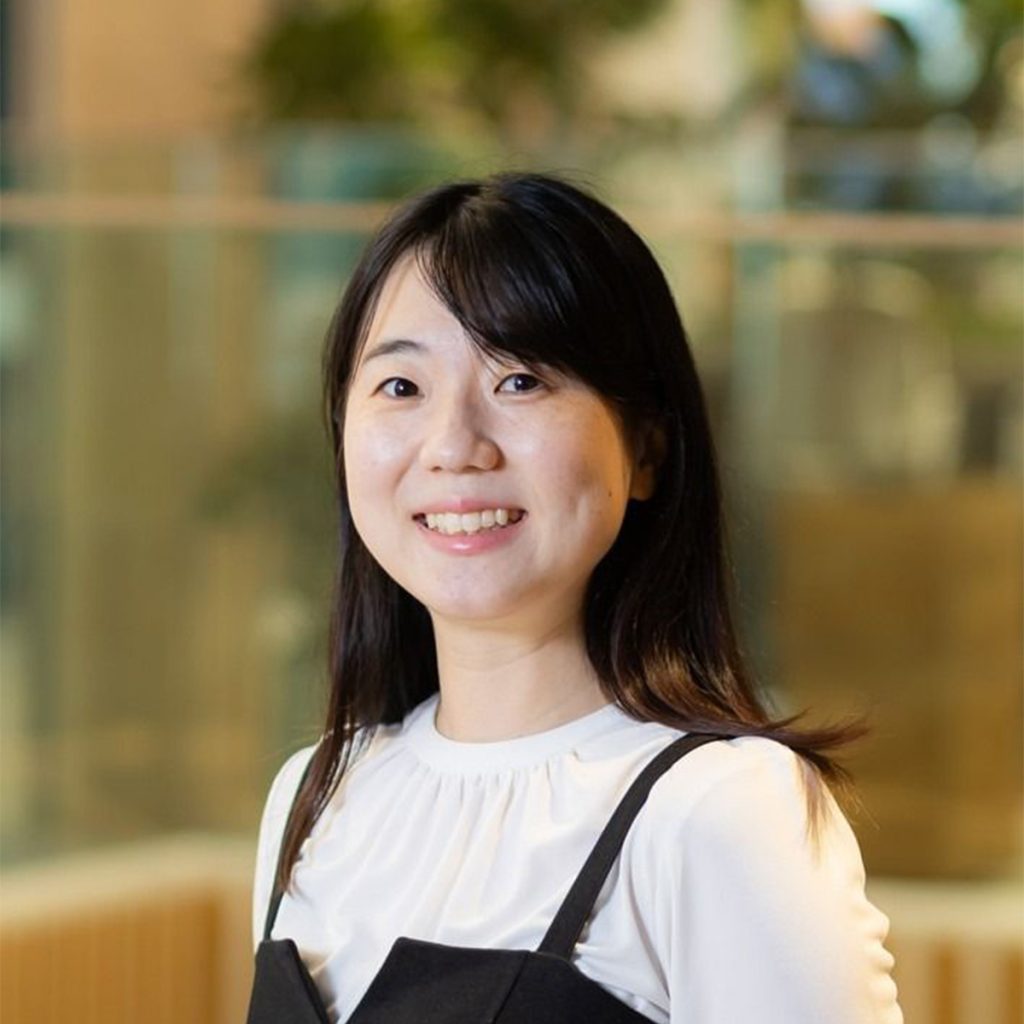
Shiki Nakamura
Project Leader, Nihonbashi Urban Planning and Development Department, Mitsui Fudosan Co., Ltd.
-
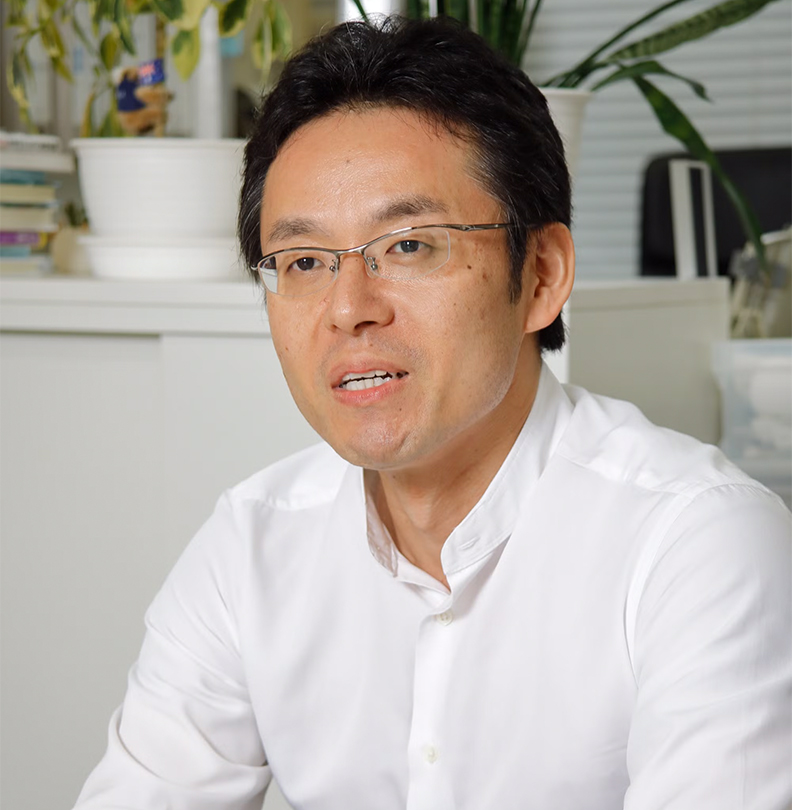
Shin-ichi Ishikawa
Professor of School of Food, Agriculture and Environmental Sciences, Miyagi University
-
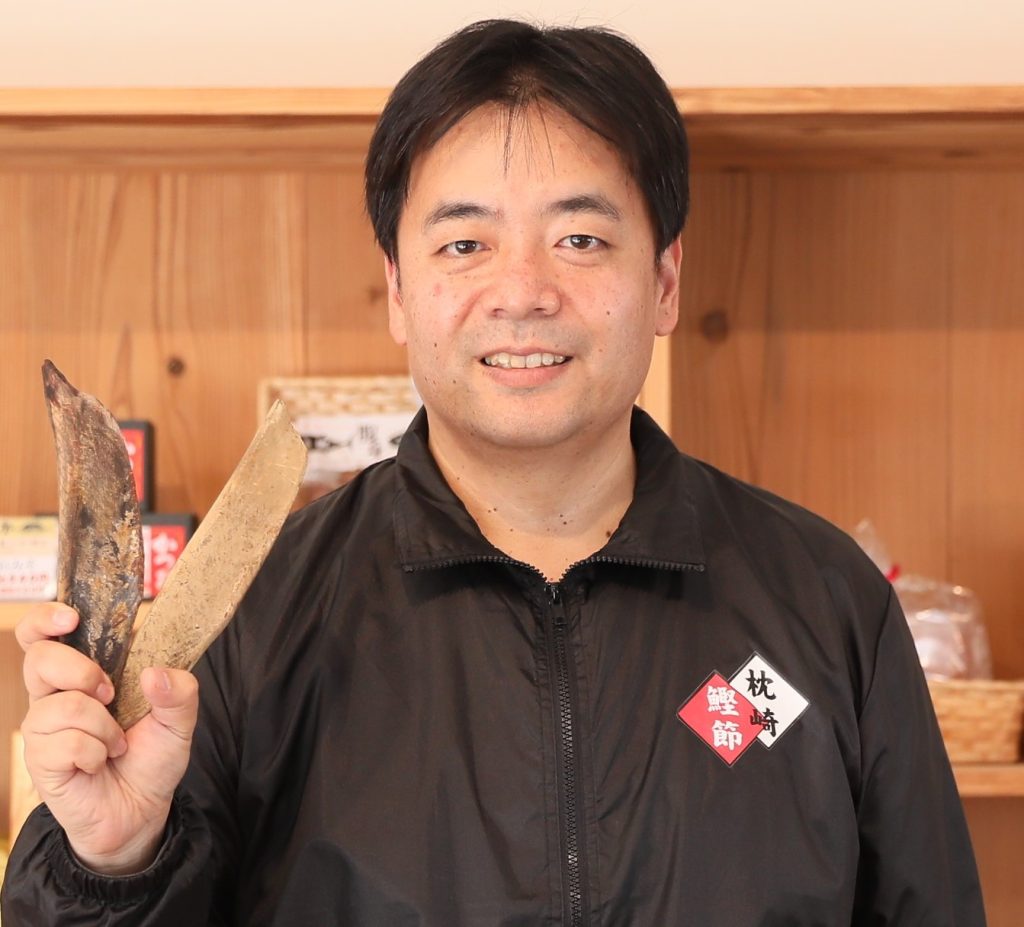
SHINJI NAKAHARA
CEO of Nakahara Suisan CO.,LTD.
-
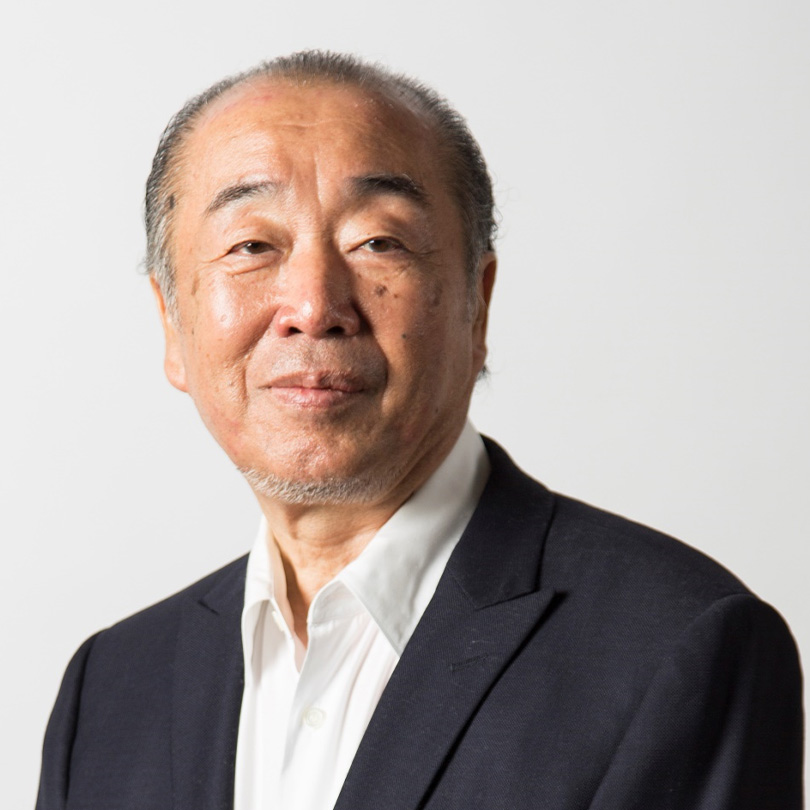
Shinjiro Yamada
Chairman of PLANTX Corp.
-
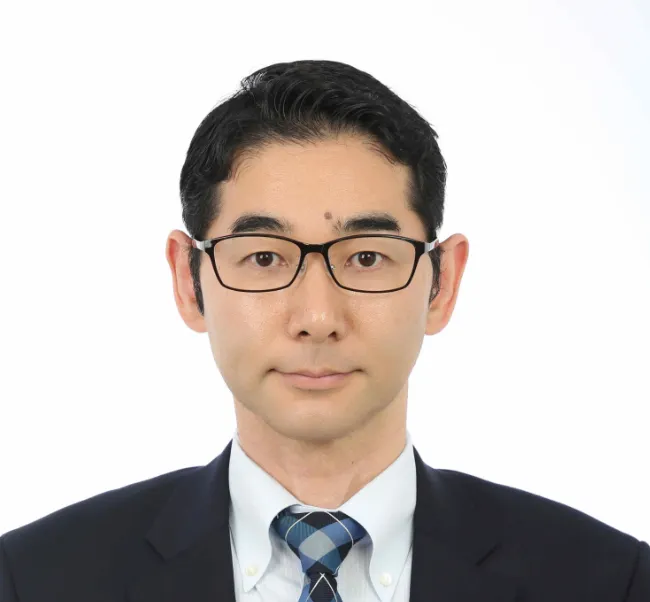
Shinsuke Suzuki
General Manager, Chemicals & Well-being Department, Corporate Banking Division, MUFG Bank, Ltd.
-
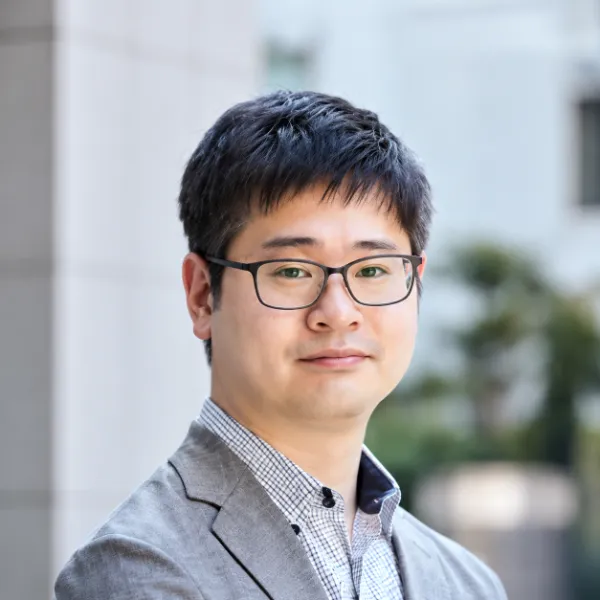
Shintaro Nishikawa
Advisor, International Matcha Association
-
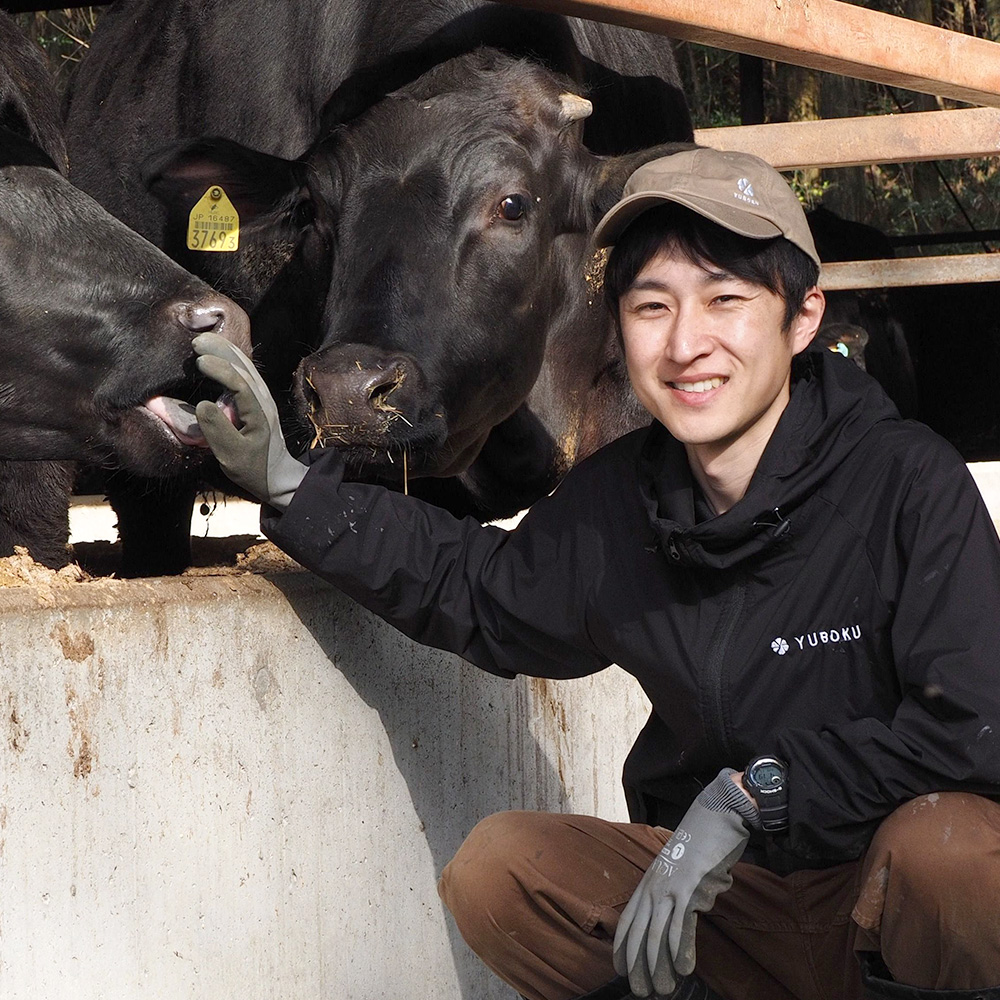
Shinya Okazaki
President, YUBOKU, inc.
-
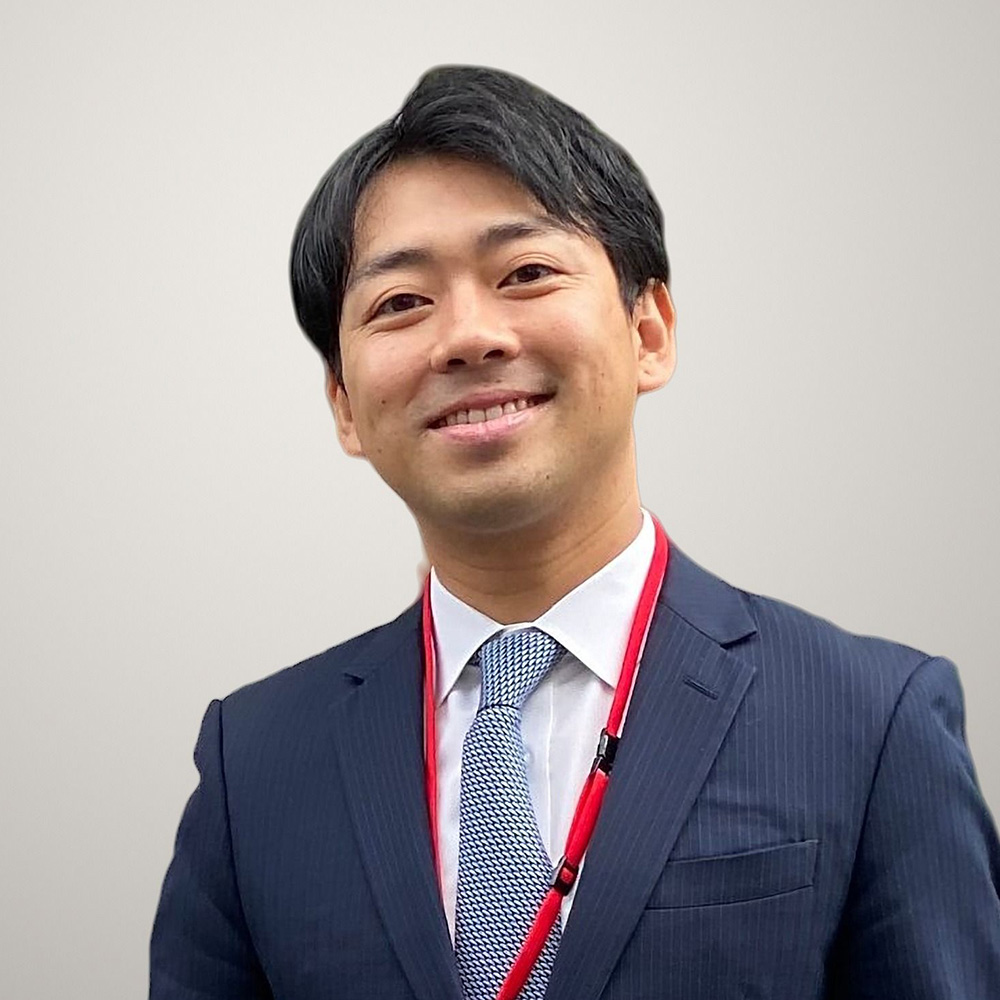
Shiraki Yoichi
Executive Officer, TechMagic
-
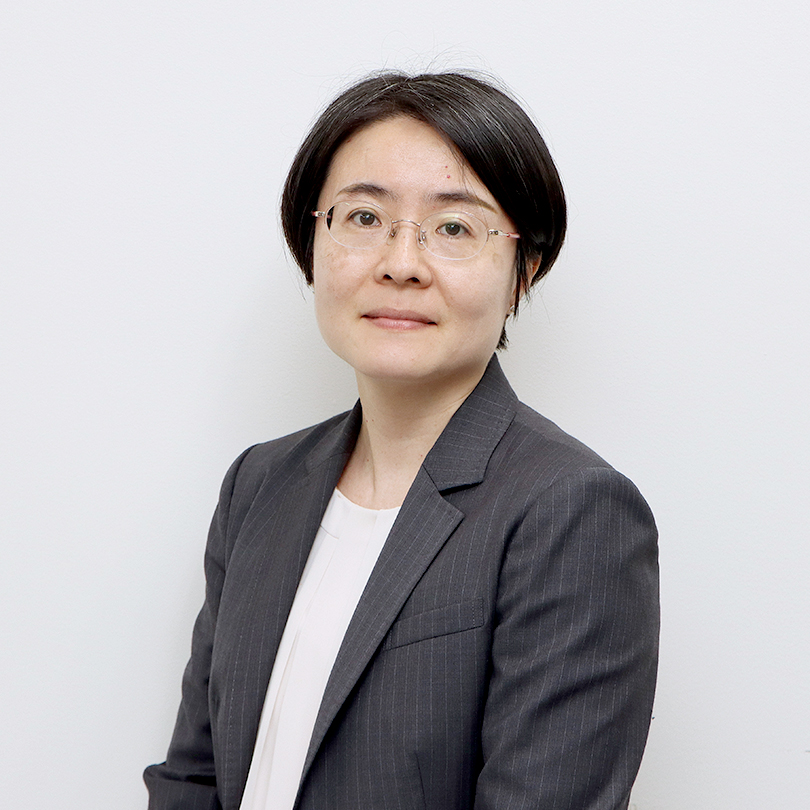
Shoko Asahina
Director of New Business and International affairs Division of Ministry of Agriculture, Forestry and Fisheries
-
Shuhei Tsukada
Executive Officer of Leave a Nest Co., Ltd.
-
Shuhei Yamasawa
Representative Director, Restaurant Tech Association / Executive Board Member & Chair of the Digital Committee, Japan Food Business Federation (Shokudanren)
-
Shuichi Yokota
President, Yokota Nojo Co., Ltd.
-
Shujiro Kusumoto
Chairman, Cafe Company Inc. / ZEROCO Inc.
-
Shun Hashimoto
CEO of BASE FOOD, Inc.
-
Shunpei Ikeguchi
Brand manager, YUBOKU, inc.
-

Simon Davis
Managing Director, SEADLING
-
Tadanori Umekawa
CEO of Regional Fish Institute, Ltd.
-
Takamitsu Asano
Director, Space Food Lab. inc.
-
Takashi Kawai
Founder & CEO of UNITED SILK CO.,LTD.
-
Takashi Nawa
Professor of Kyoto University of Advanced Science / Visiting Professor of Hitotsubashi University Business School
-
Takashi Sato
President of San-J International, Inc.
-
Takayoshi Serizawa
CEO / Urban Farming Producer, PLANTIO, Inc.
-
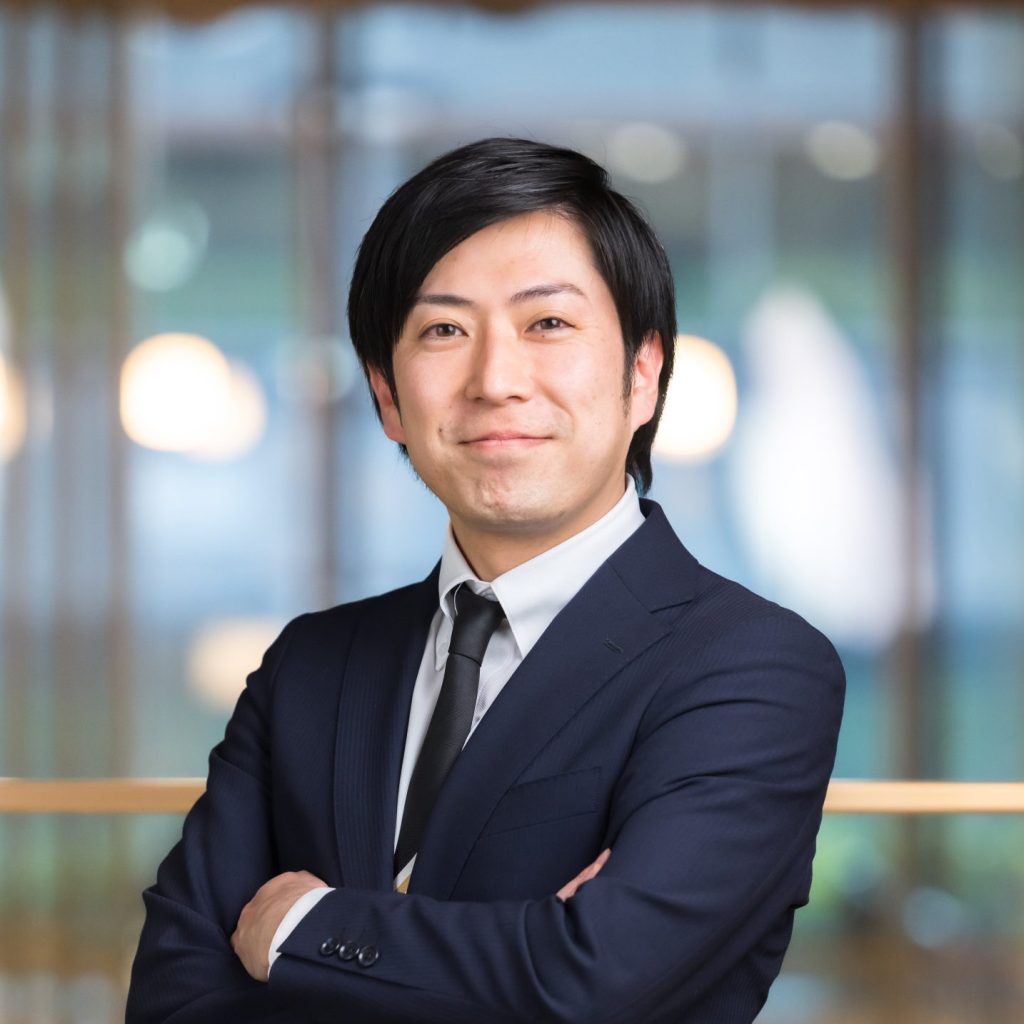
Takayuki Maruyama
Senior Manager, Strategic Planning & Development Group 1, Strategic Planning & Development Unit, and Hills House Management Unit, New Experience-based Activities Department, Mori Building Co., Ltd.
-
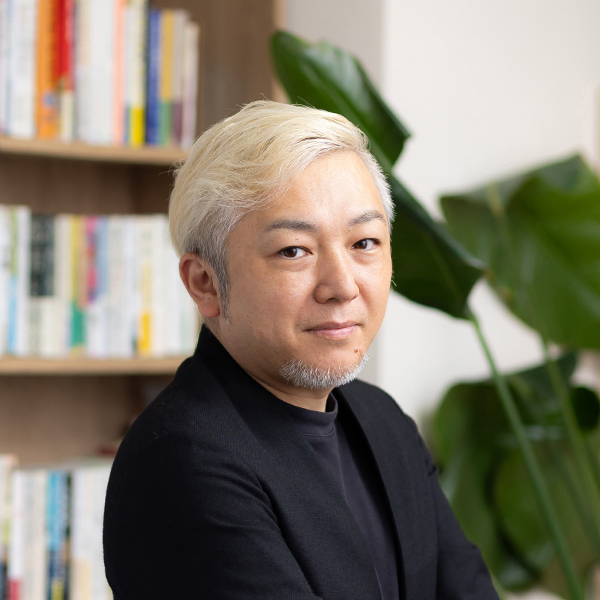
Takeichiro Shima
Hyper X Creator / Design Alchemist of UnlocX & Co. / Polaris,Inc.
-
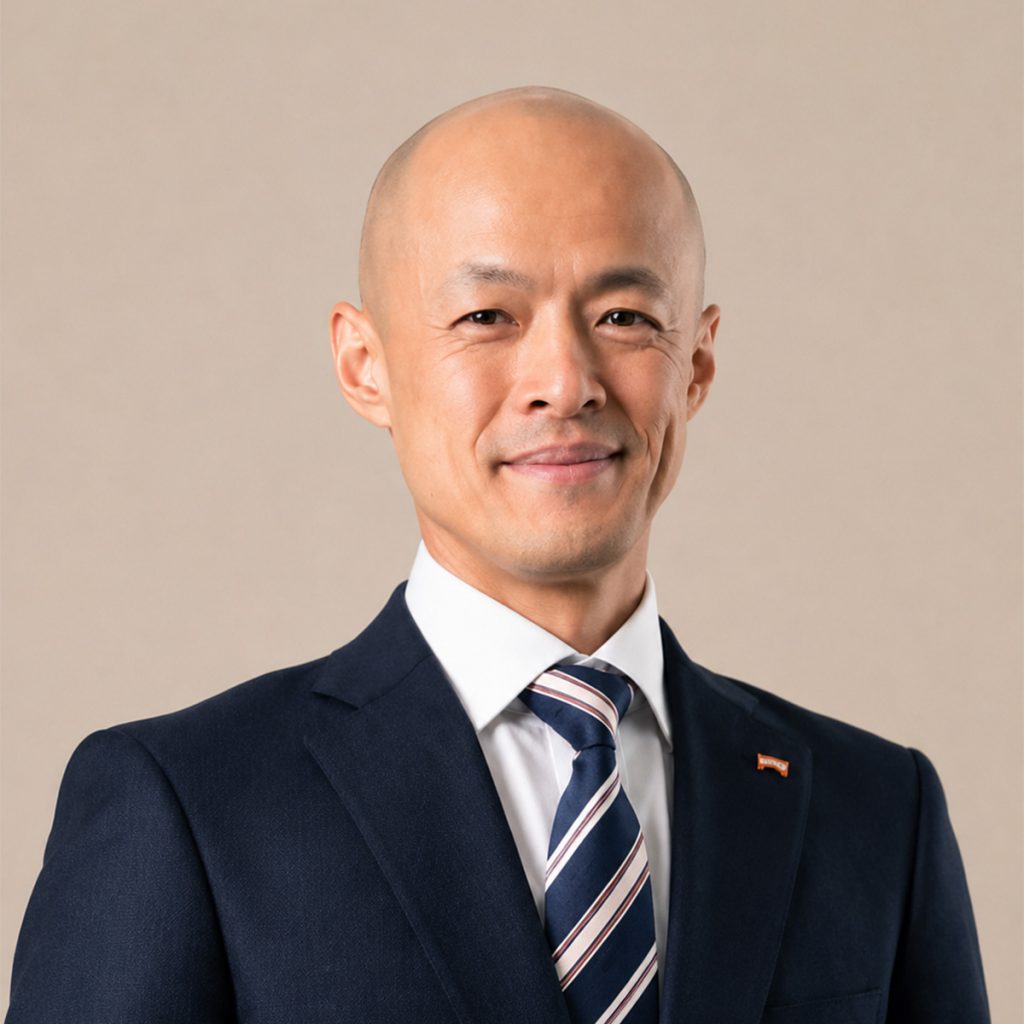
Takeshi Meida
Executive Officer, Overseas Business, TableMark Co., Ltd.
-
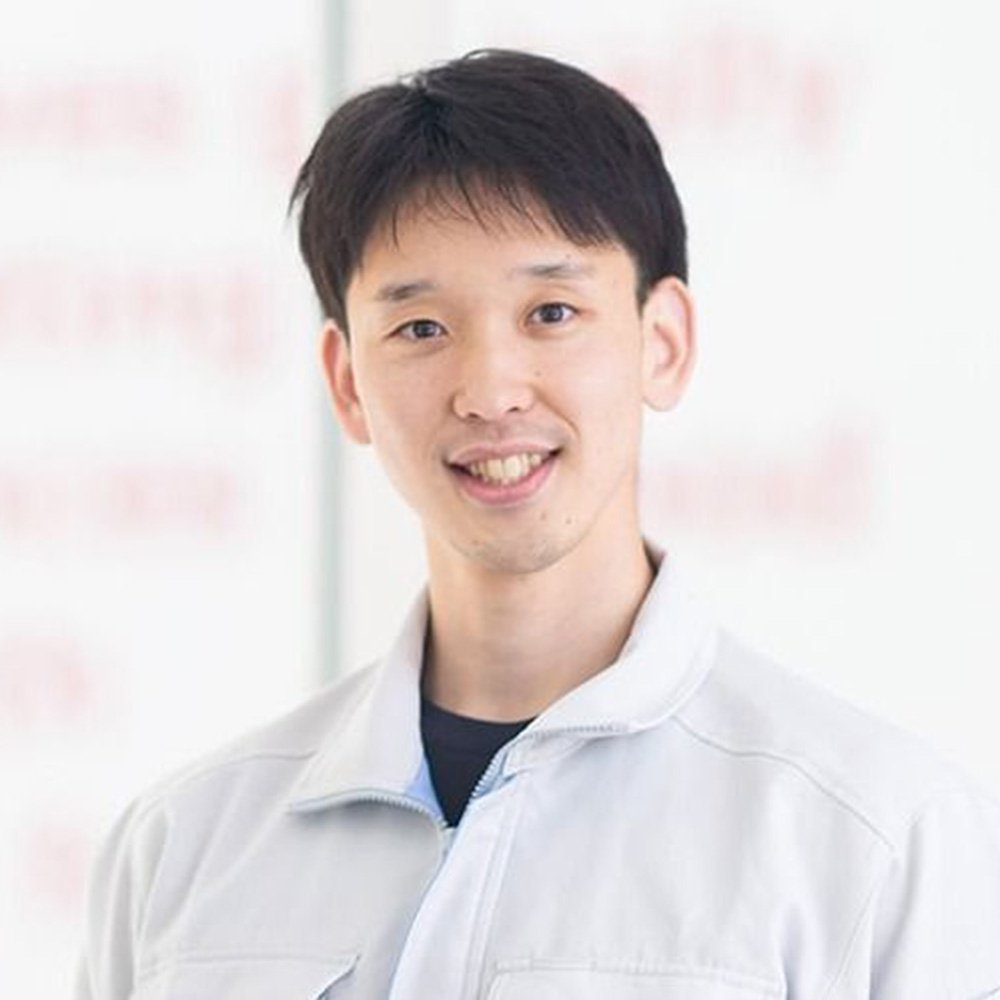
Takumi Funamizu
Business Development Lead, Taste Assist Project, Food Tech Group, Research & Business Planning Department of Ajinomoto
-
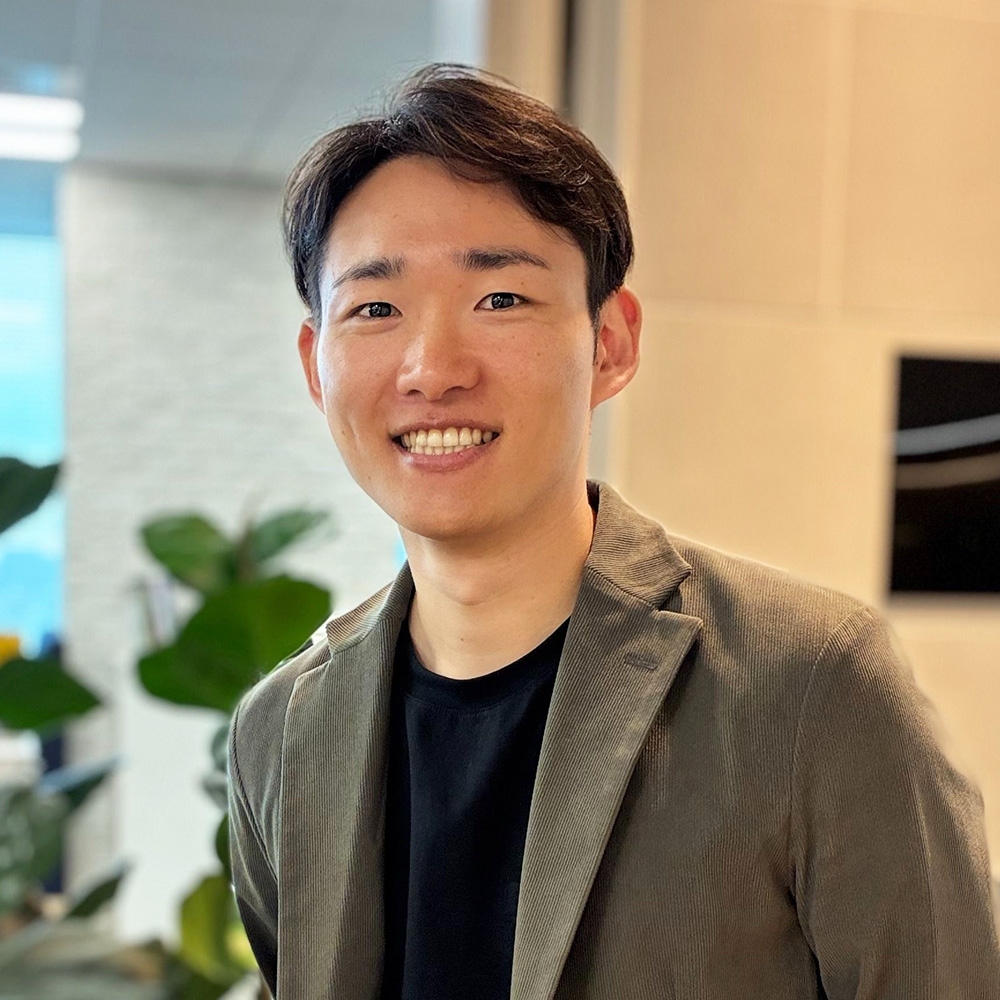
Takuna Nishi
Senior Associate, Space Business Innovation Department, Innovation Group, Mitsui Fudosan Co., Ltd. / General Incorporated Association cross U.
-
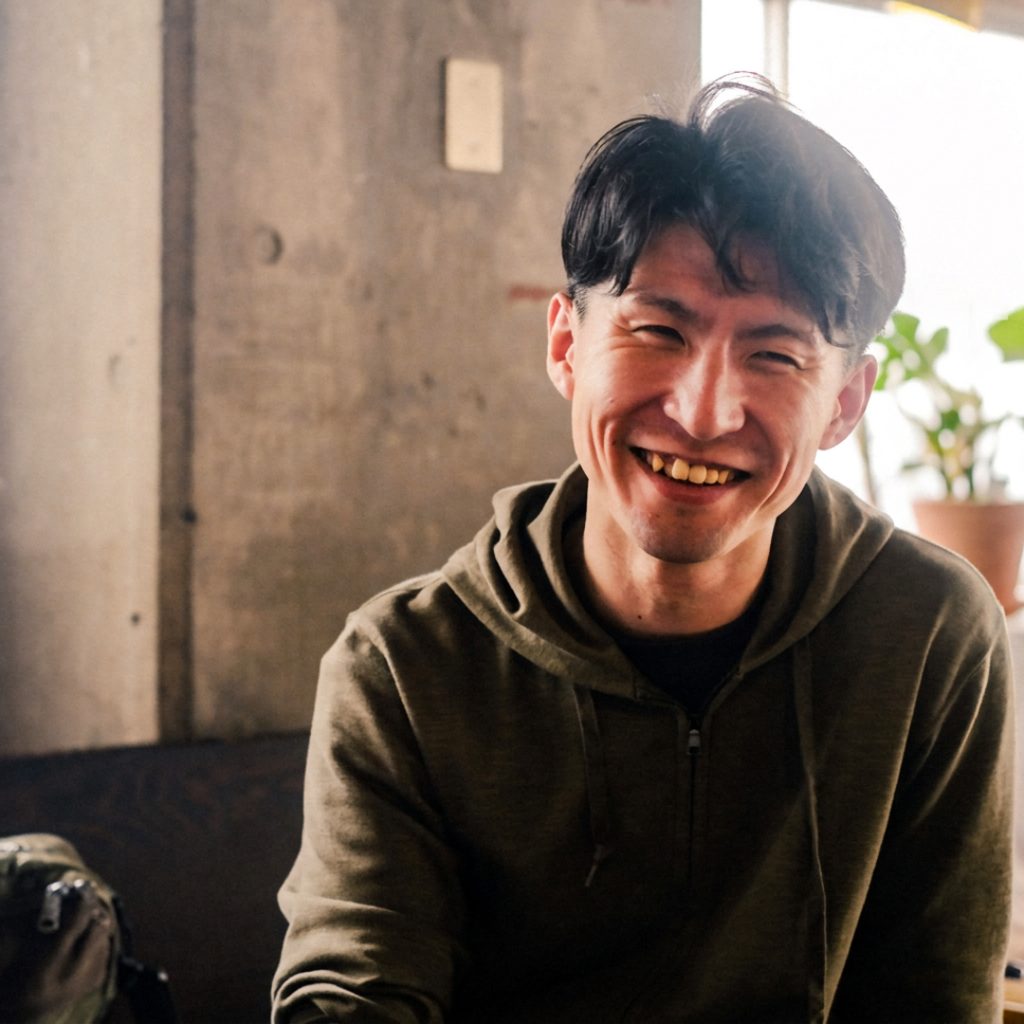
Takuro Muto
COO, Kacha Ryori Muto / Kaiseki Chef / Podcaster / Food Culture Researcher
-
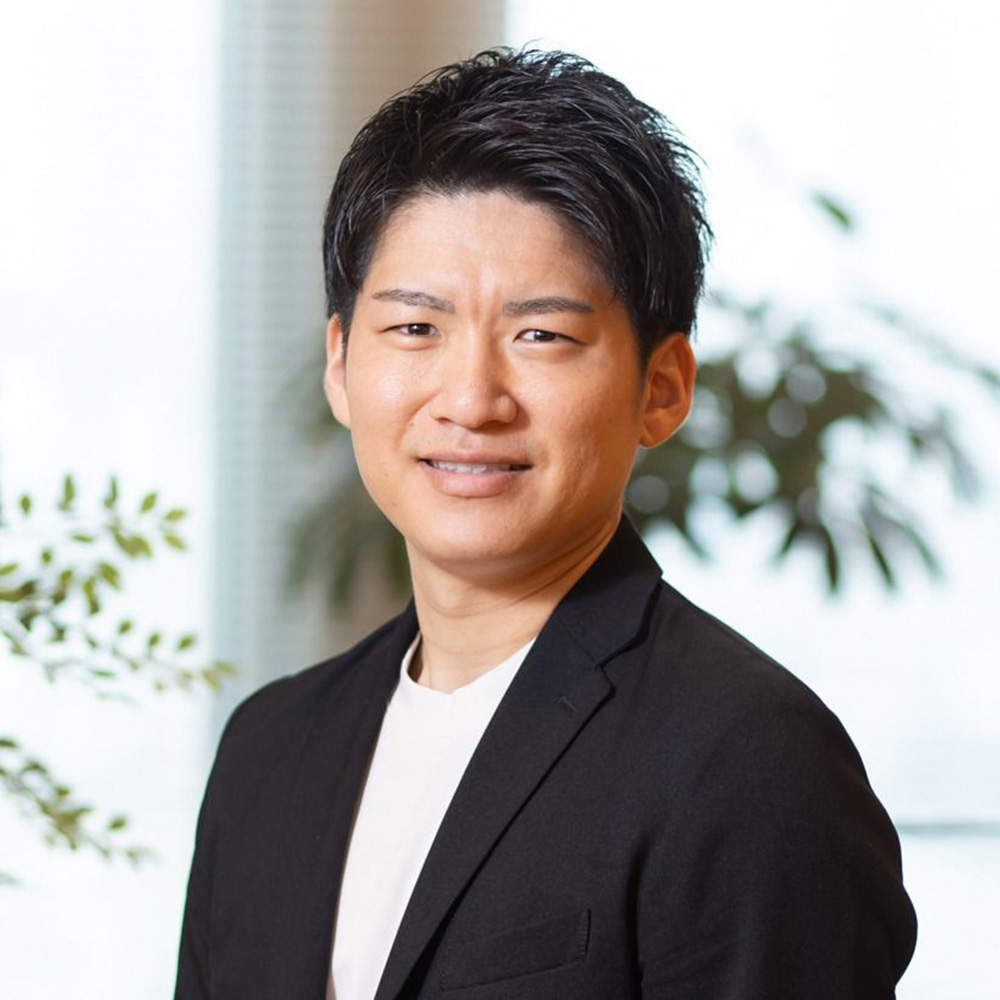
Takuya Anzai
Project Leader, LINK-J, Mitsui Fudosan Co., Ltd.
-
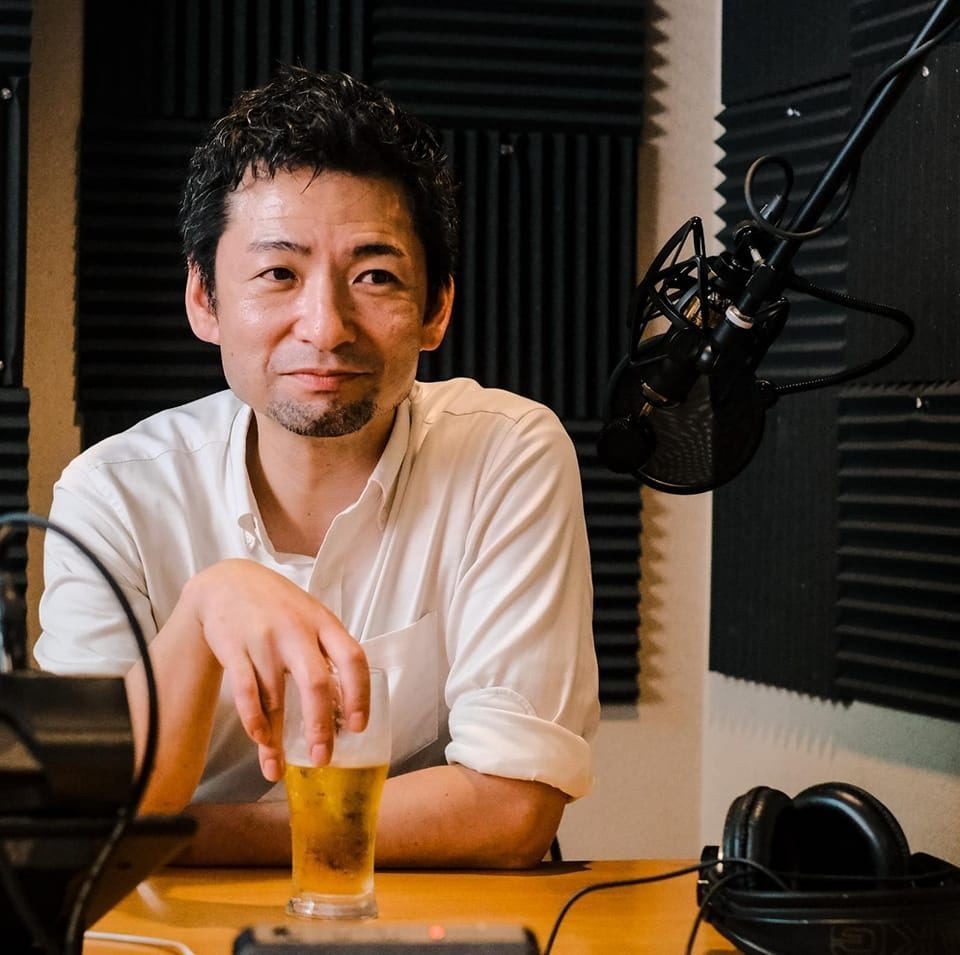
Taro Muto
Food Culture Advocate & Gastronomy Tourism Evangelist / Representative Director, Kacha Ryori Muto / Tabemono Radio
-
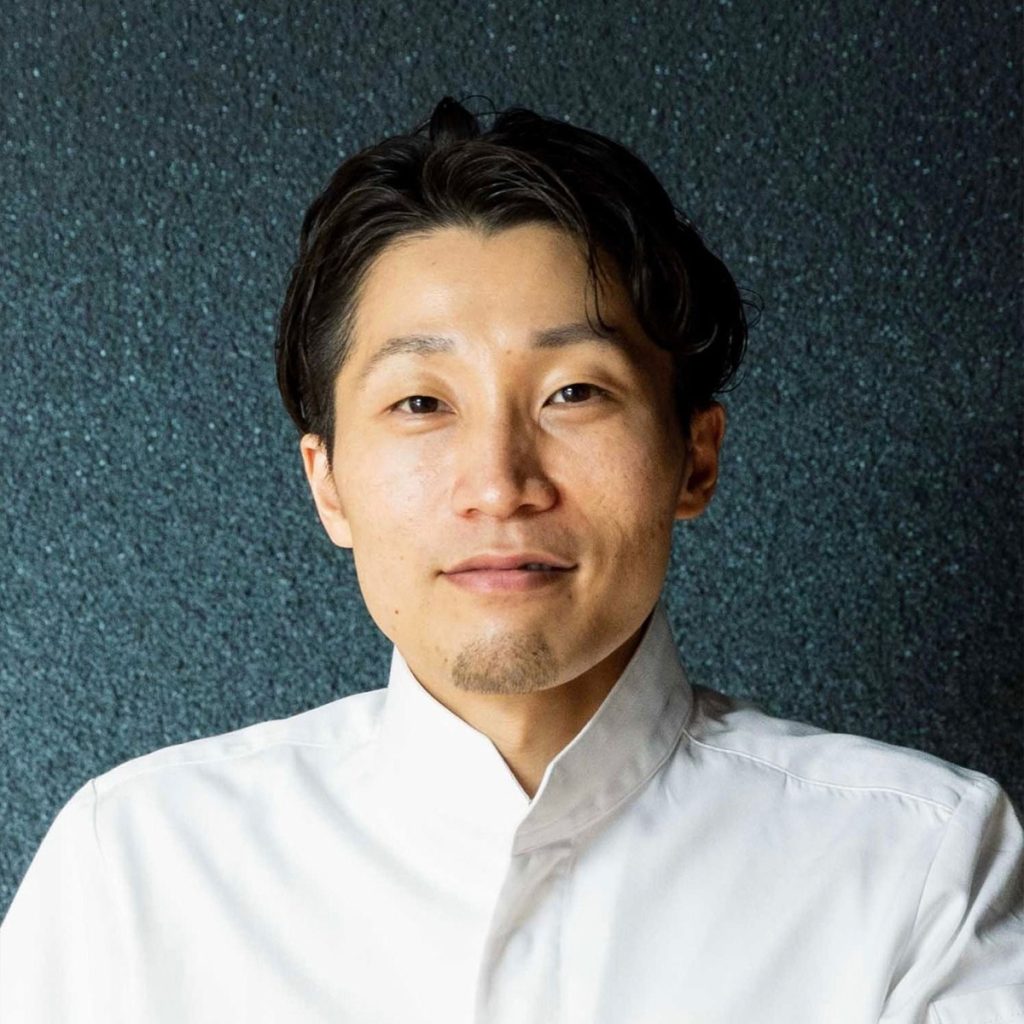
Tatsuya Noda
Chef Director, Innovative Kitchen 8go / CEO, PLUM KNOT Co., Ltd.
-
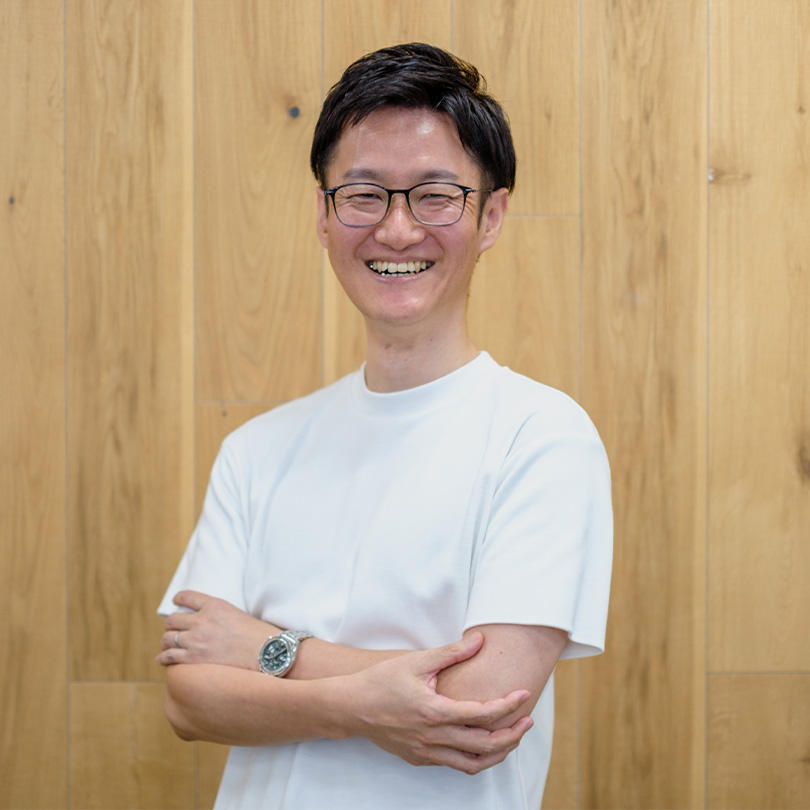
Tomoaki Ibi
Project Manager of Urban Renaissance Agency Eastern Japan Urban Regeneration Headquarters
-
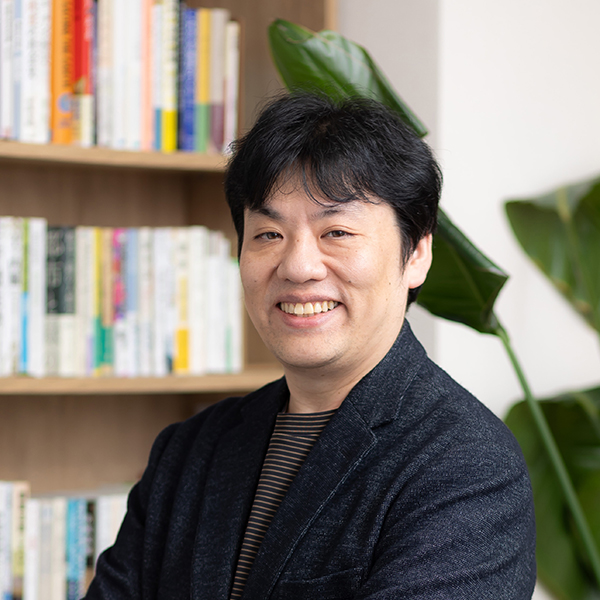
Tomomichi Sumi
Startup Specialist & Geek of UnlocX & Co.
-
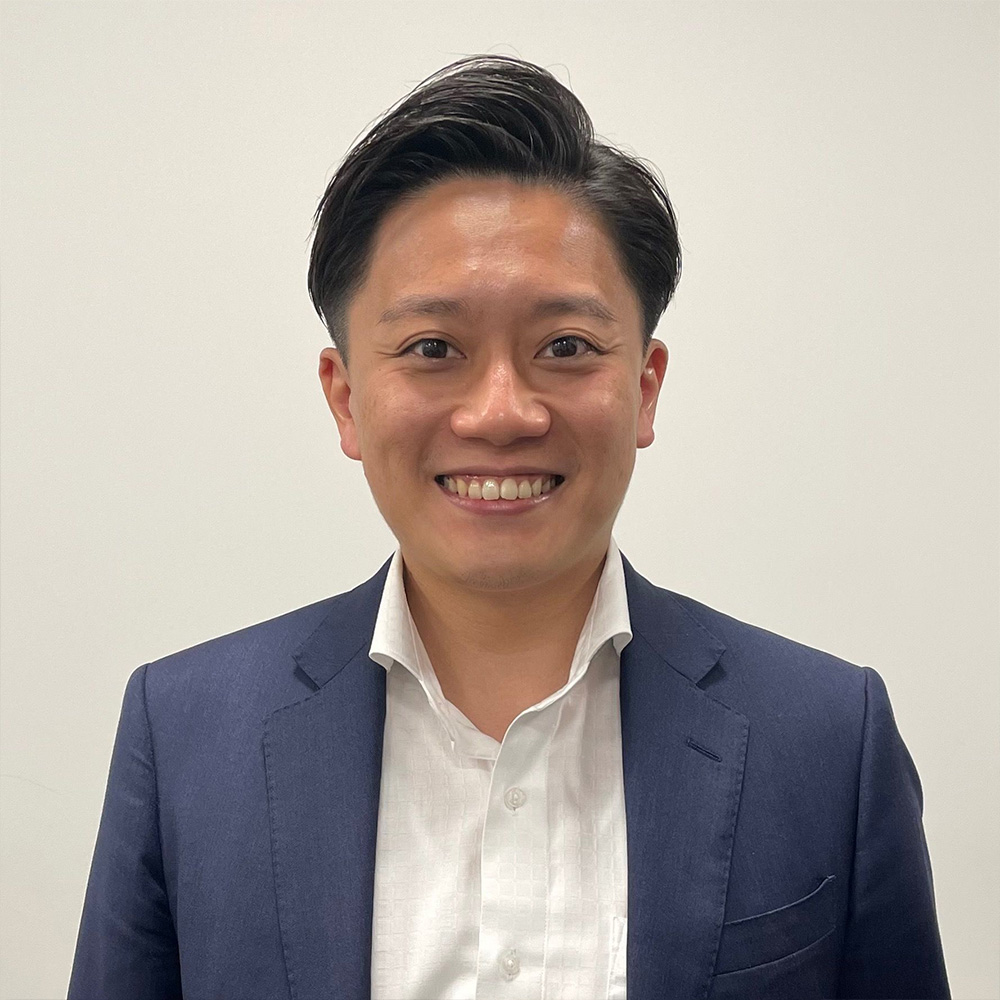
Tomoya Takai
Vice President, Chemicals & Well-being Division, Corporate Banking Group, MUFG Bank, Ltd.
-
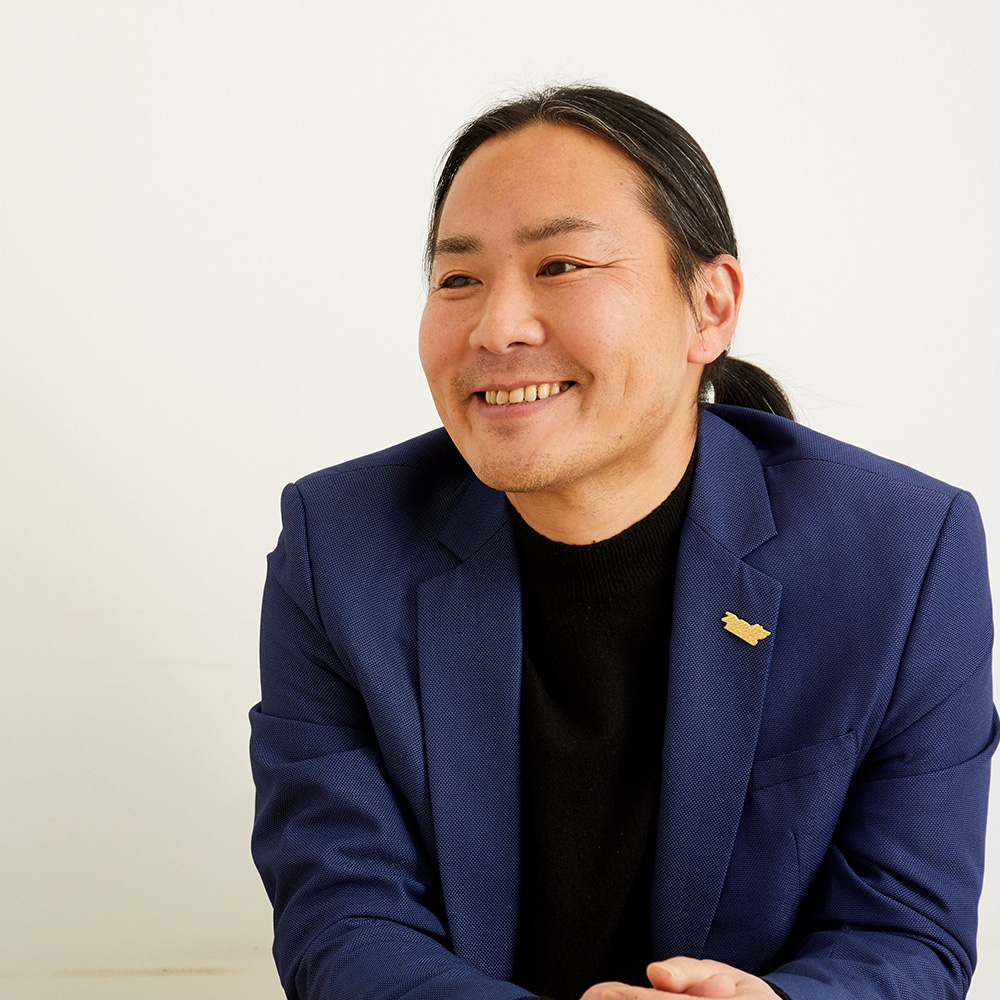
Tomoyuki Yamane
CHIKARANOMOTO HOLDINGS Co., Ltd. Chief Executive Officer
-
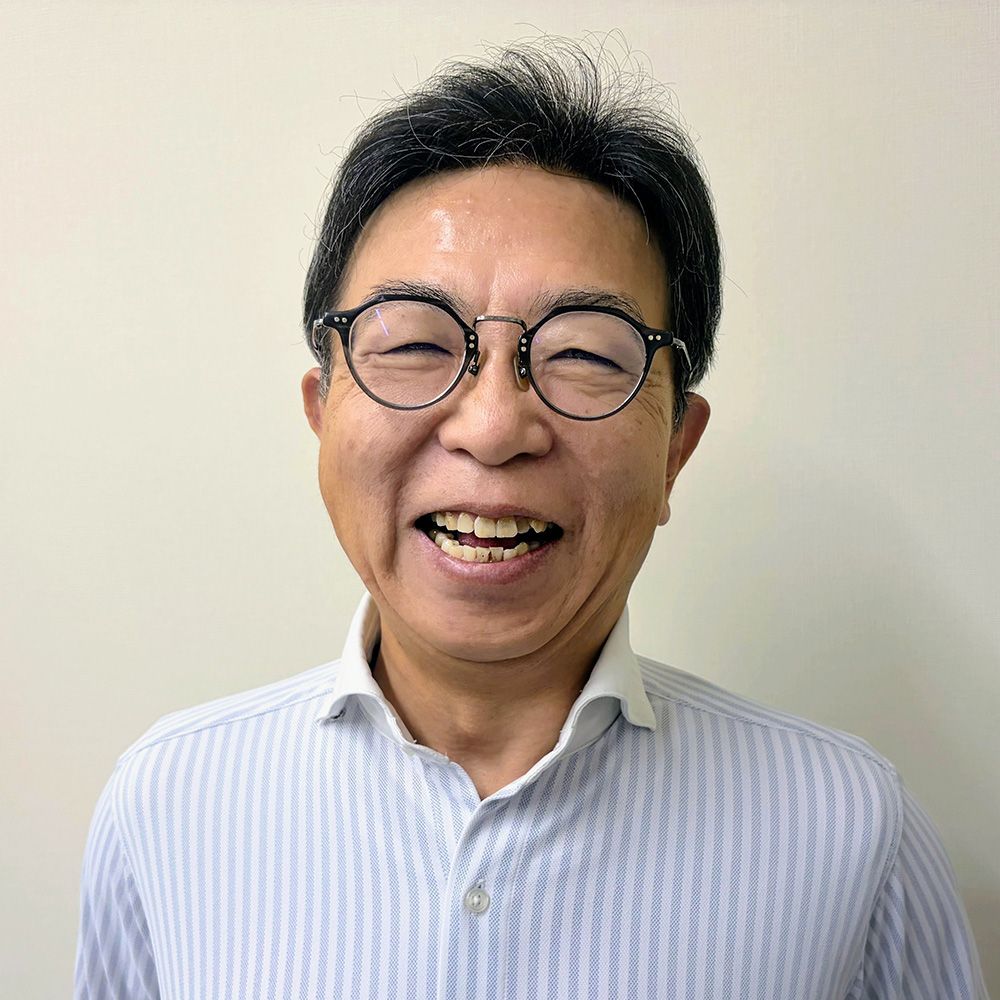
Toshihiko Fukumatsu
Managing Director, IKEDA TOHKA INDUSTRIES CO., LTD
-
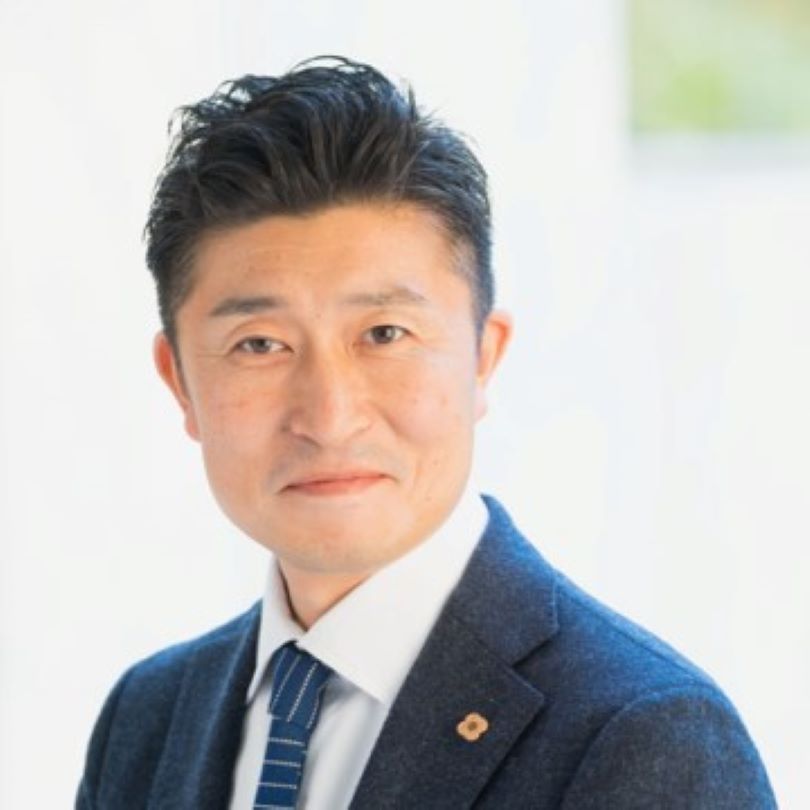
Toshihiro Takahashi
President/Editor in Chief of Discover Japan Inc
-
Toshitaka Odamaki
General manager, Biotics Research Institute, Morinaga Milk Industry Co., Ltd.
-
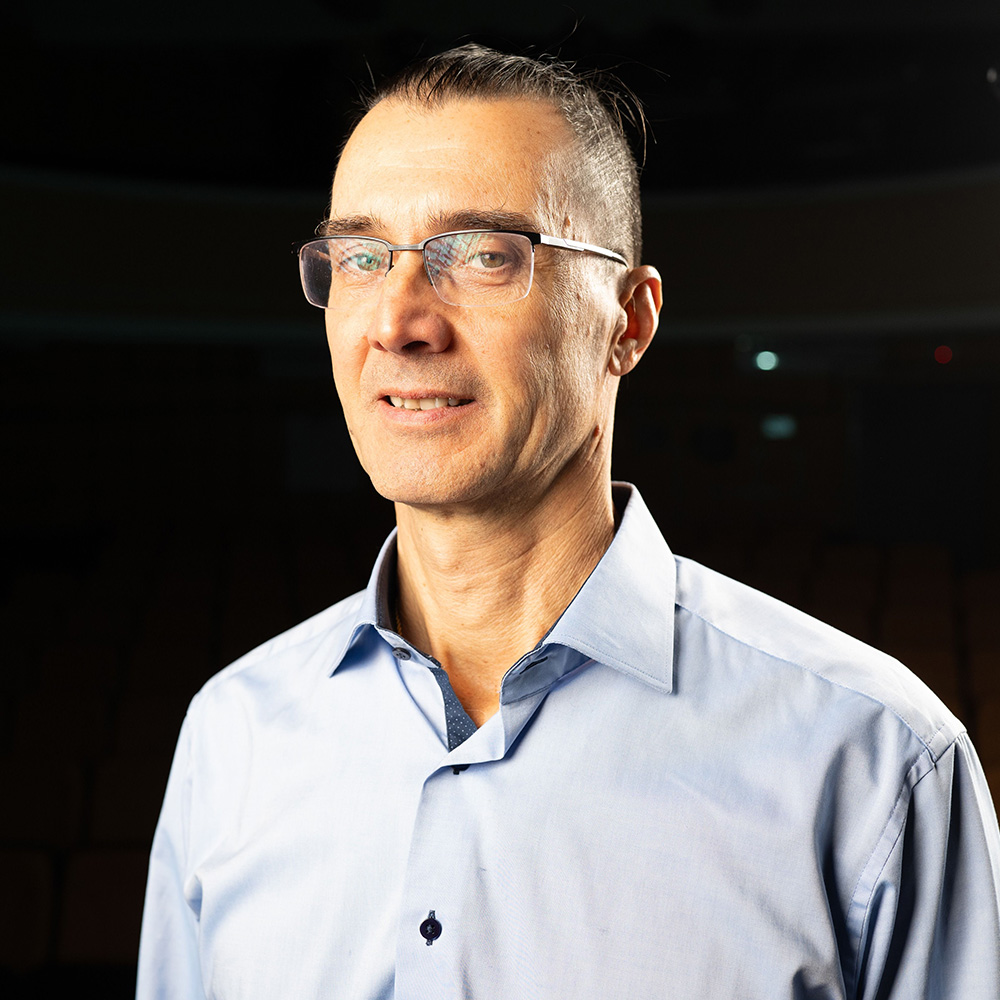
Victor Penev
CEO, Edamam
-
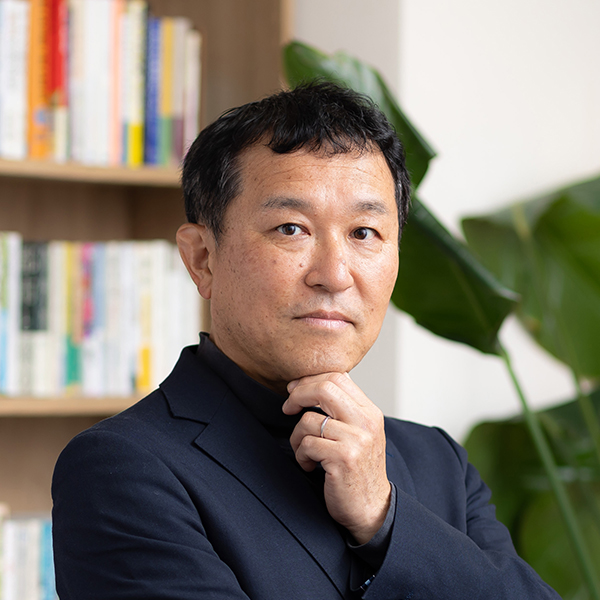
Yasuo Murata
Venture Capitalist of UnlocX & Co.
-
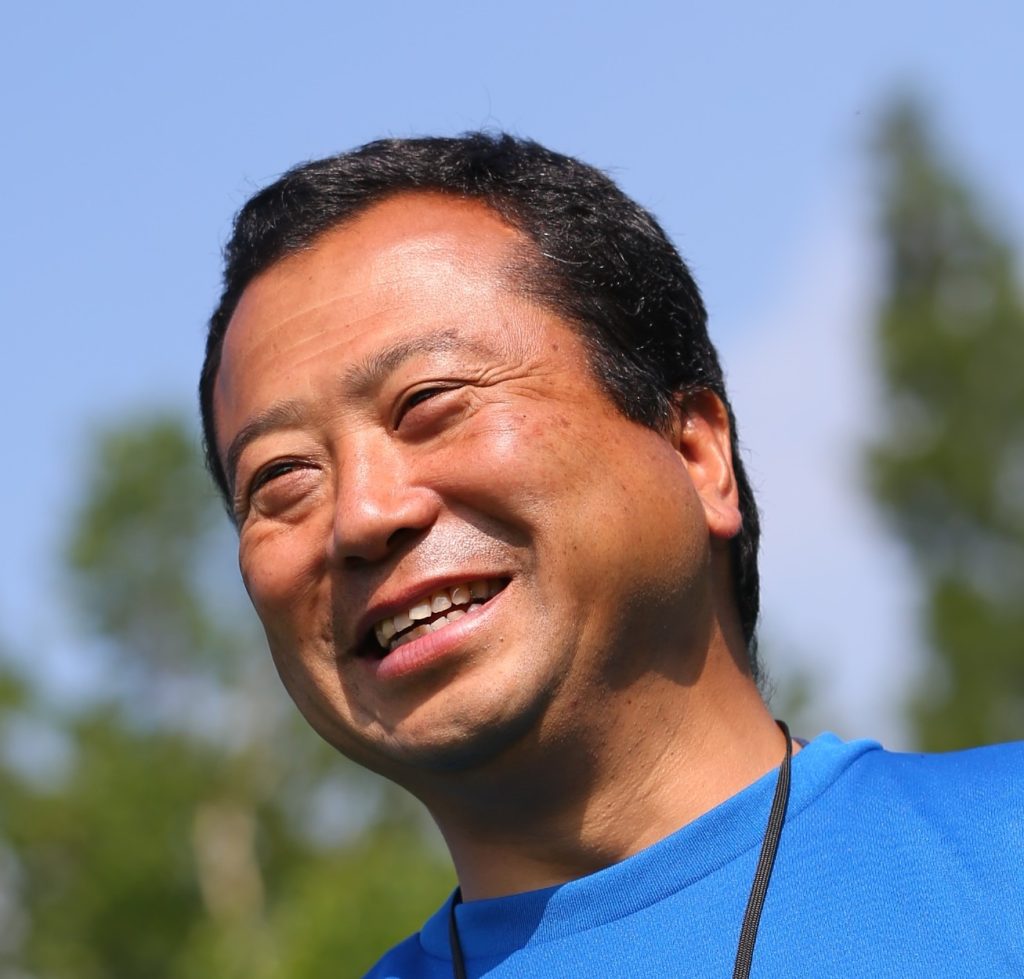
Yoichi Tsurudome
CEO, Fit & Recovery Co., Ltd
-
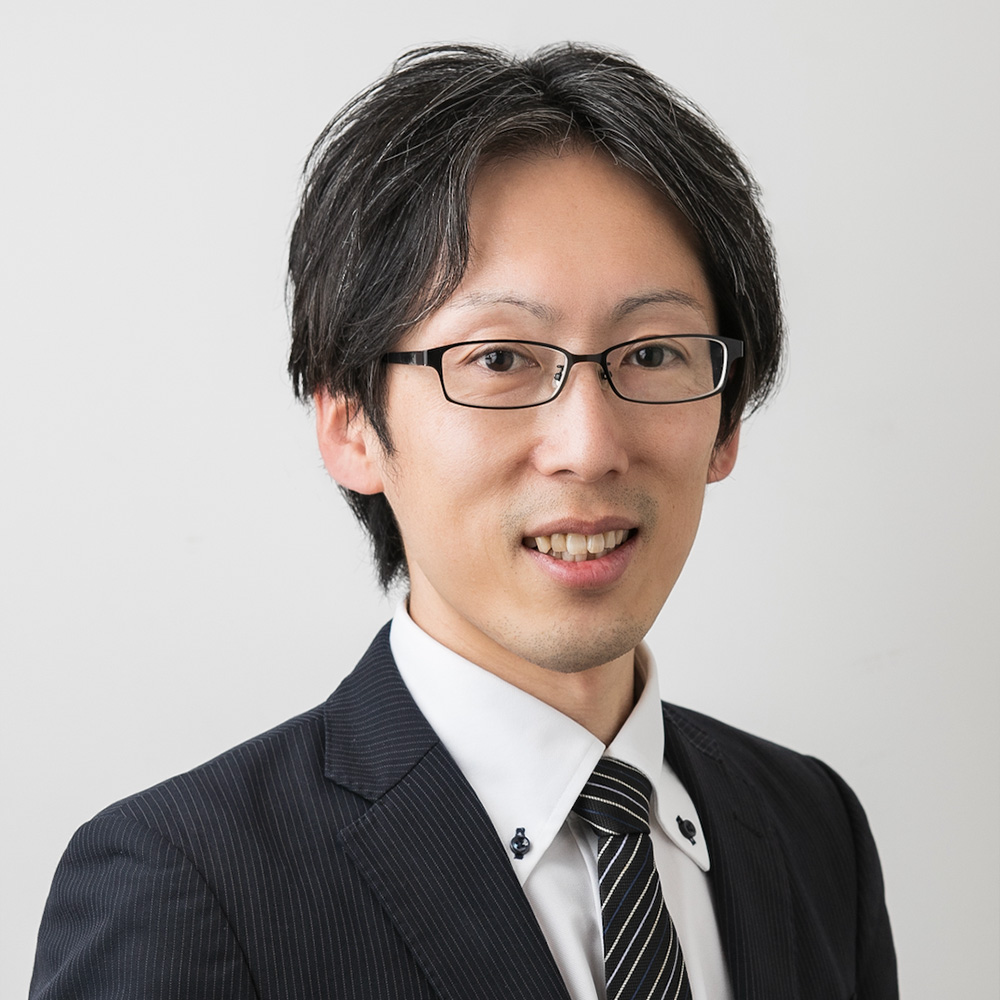
Yoshifumi Kawana
Head of Local Platform Development Division, Leave a Nest Co., Ltd.
-
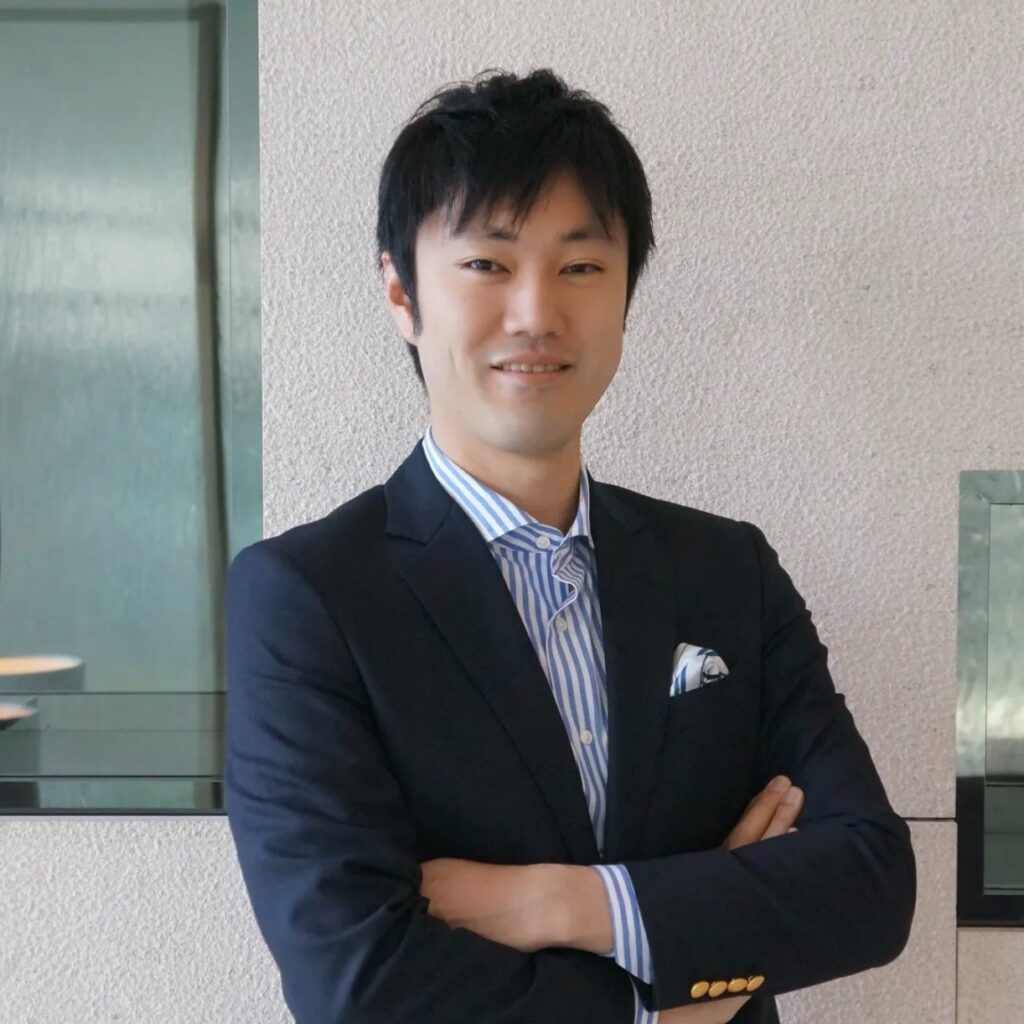
Yoshiki Ishikawa
Representative Director of Well-being for Planet Earth Foundation
-
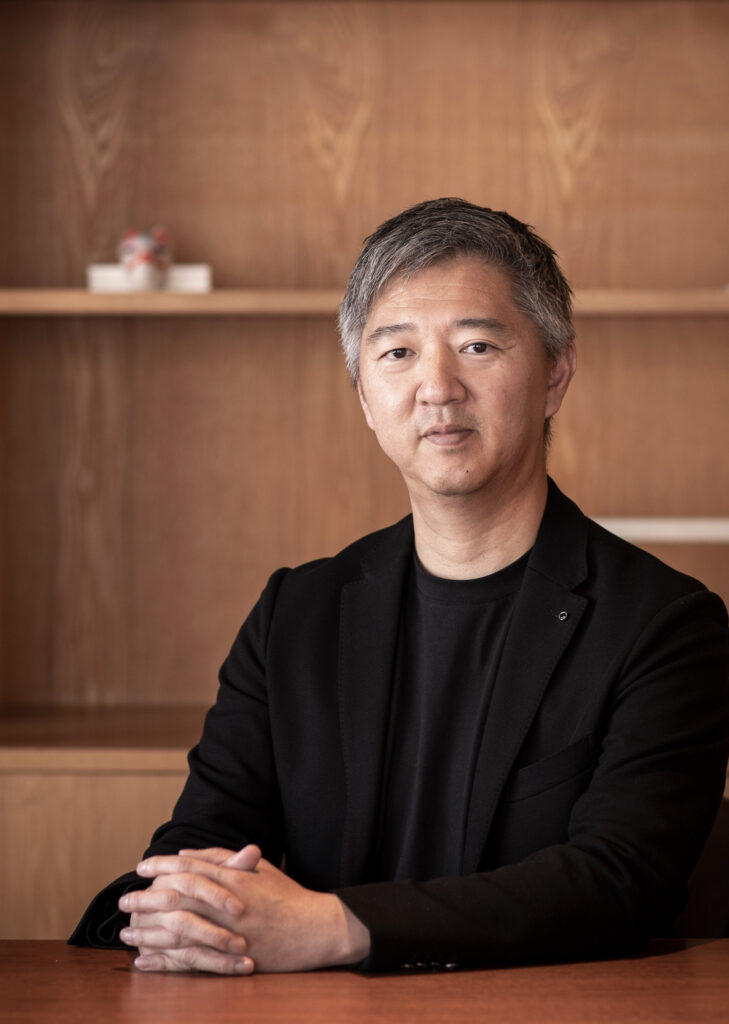
Yoshimoto Kohara
President, Watayabesso
-
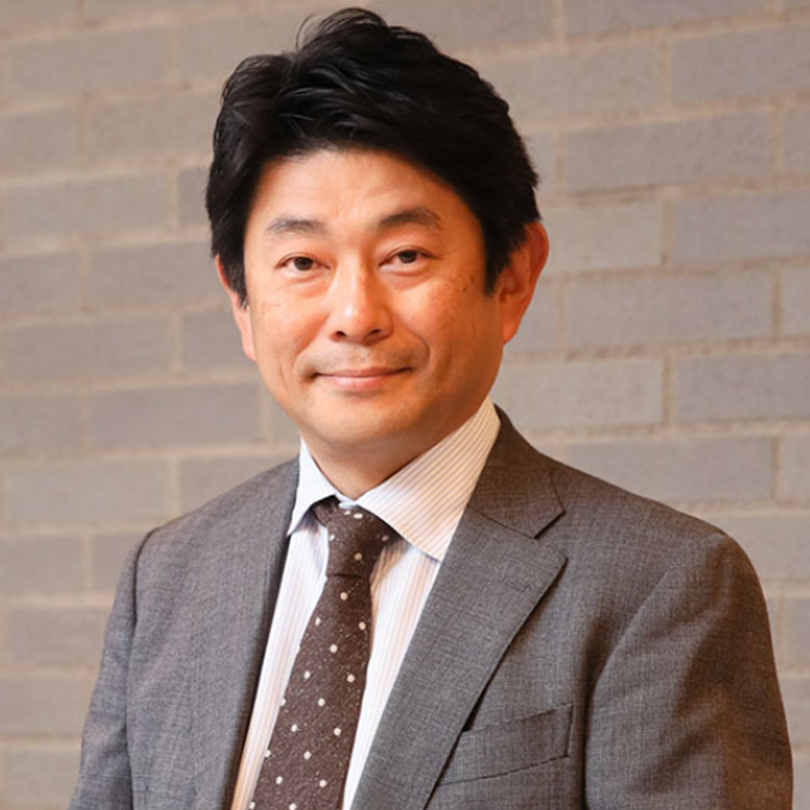
Yoshito Kikunaga
Executive Manager of Nihonbashi Urban Planning and Development Department of Mitsui Fudosan Co., Ltd.
-
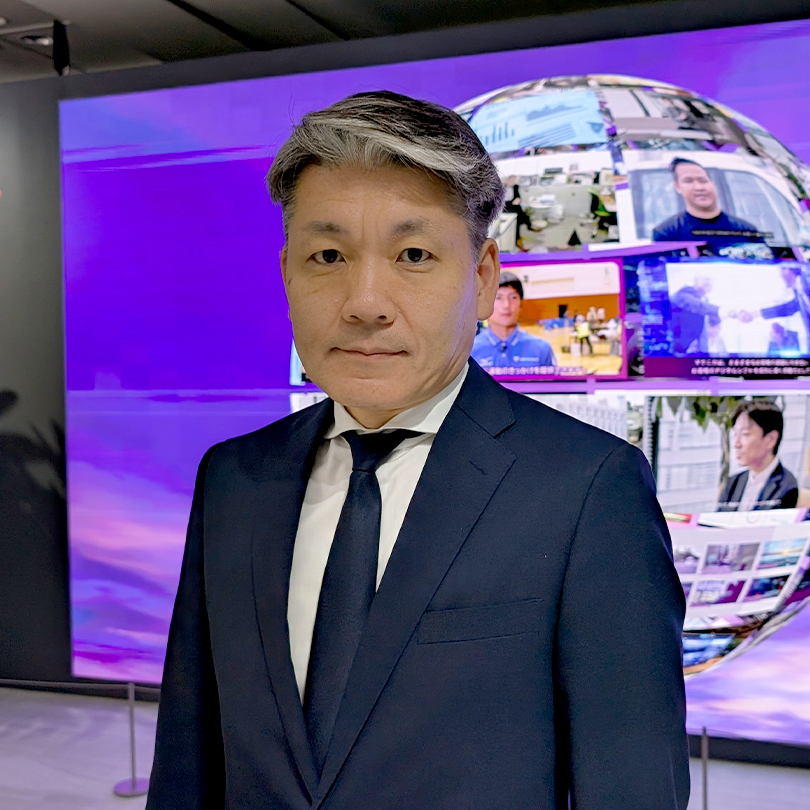
Yoshiyuki Kurimoto
General Manager of Food Agritech Solution Division of Macnica, Inc.
-
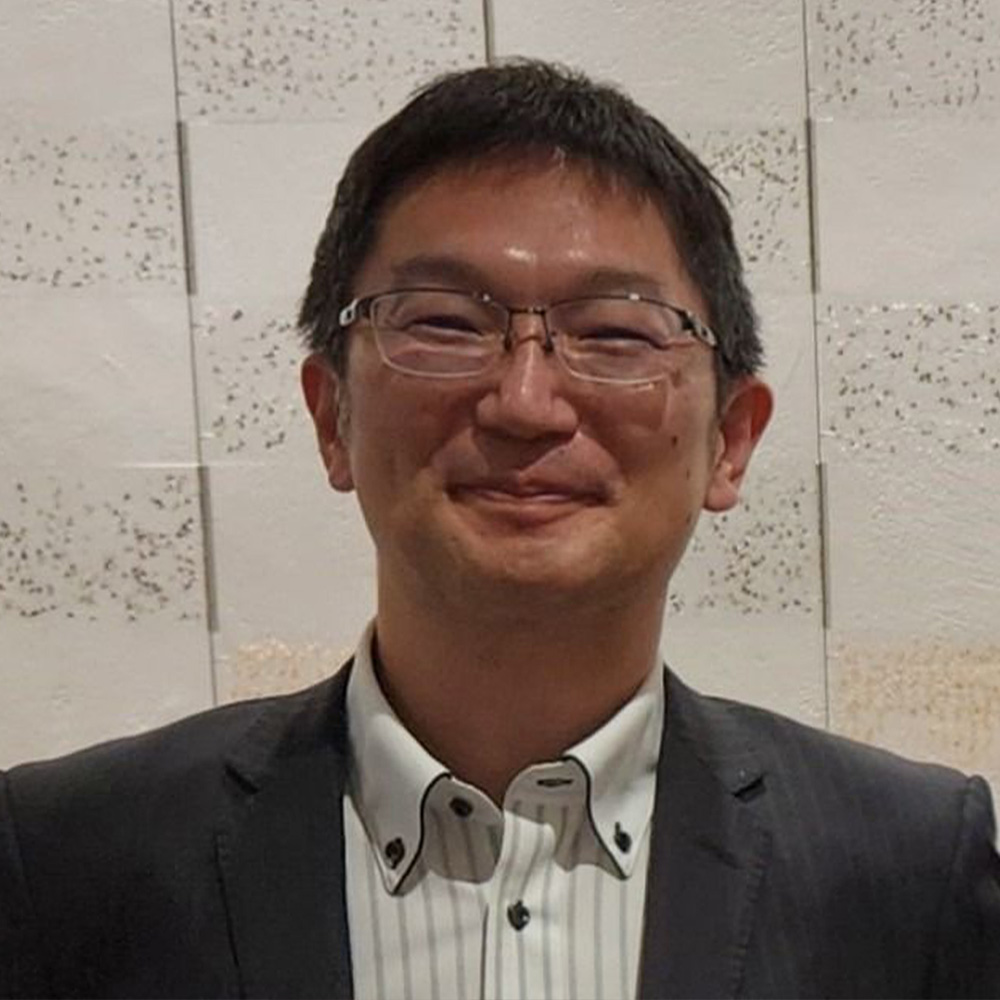
Yousuke Nishio
Associate General Manager of Bio & Fine Tech Group, Research & Business Planning Dept., Ajinomoto Co., Inc.
-
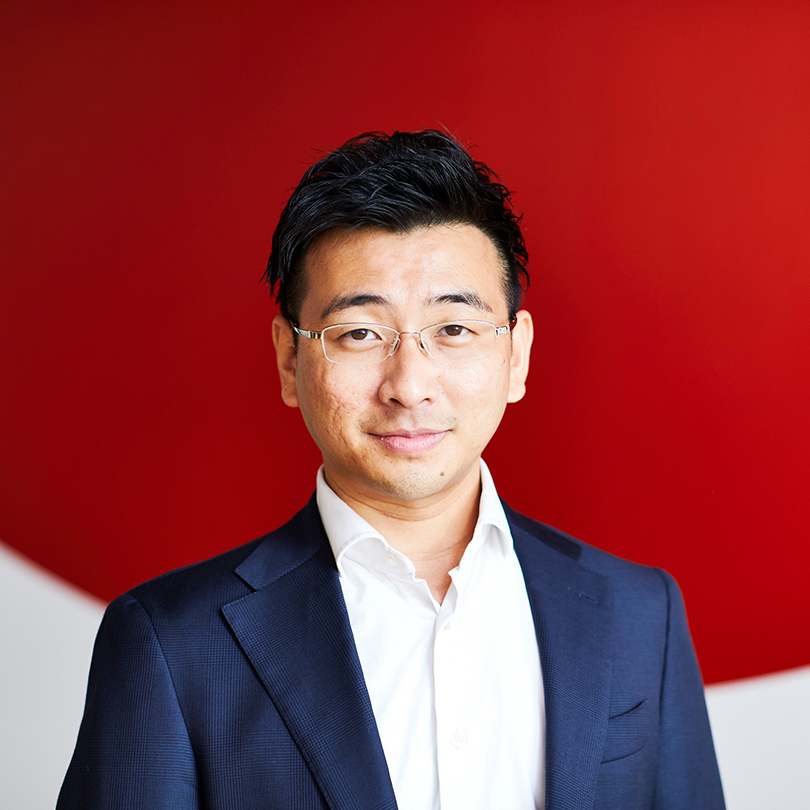
Yuji Shiraki
Founder/CEO of TechMagic Inc.
-
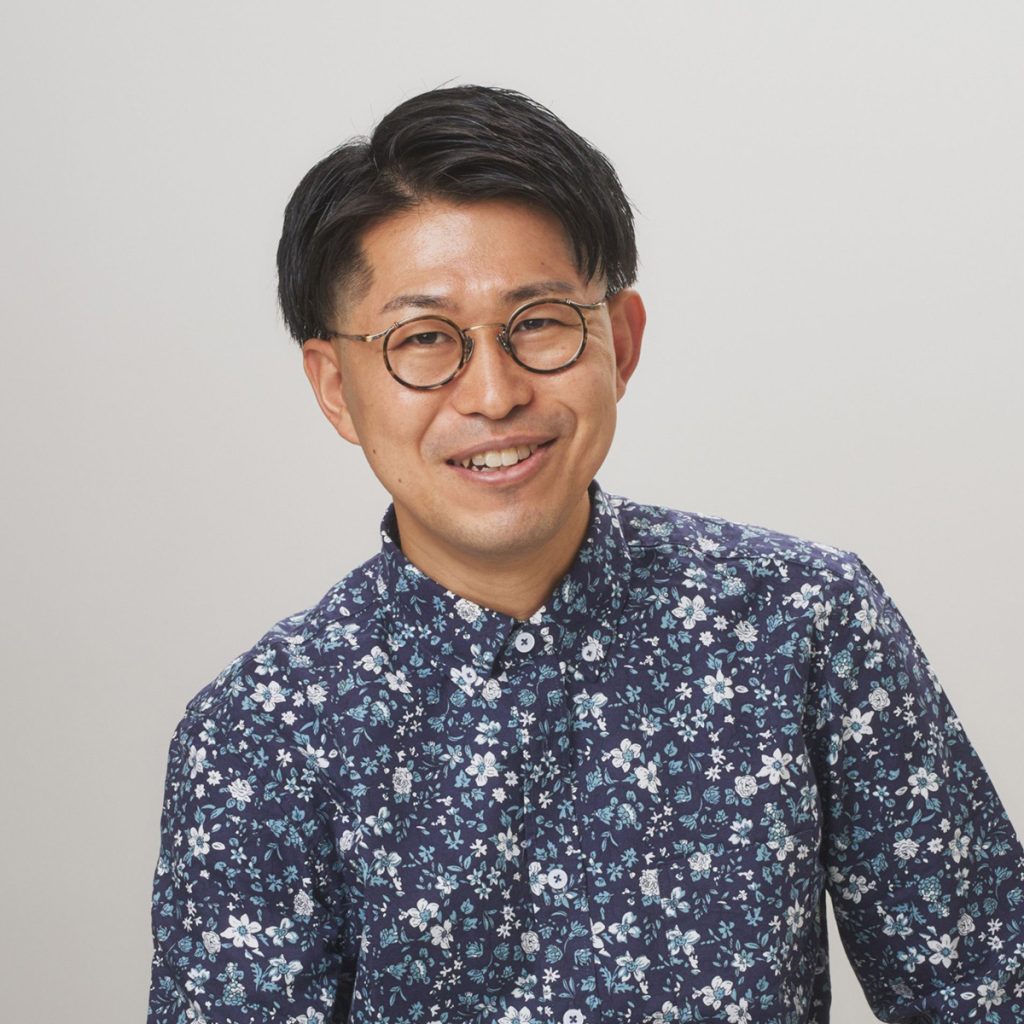
Yusuke Atsumi
Director, Next Prime Food / Business Producer, JV Studio, Hakuhodo Inc.
-
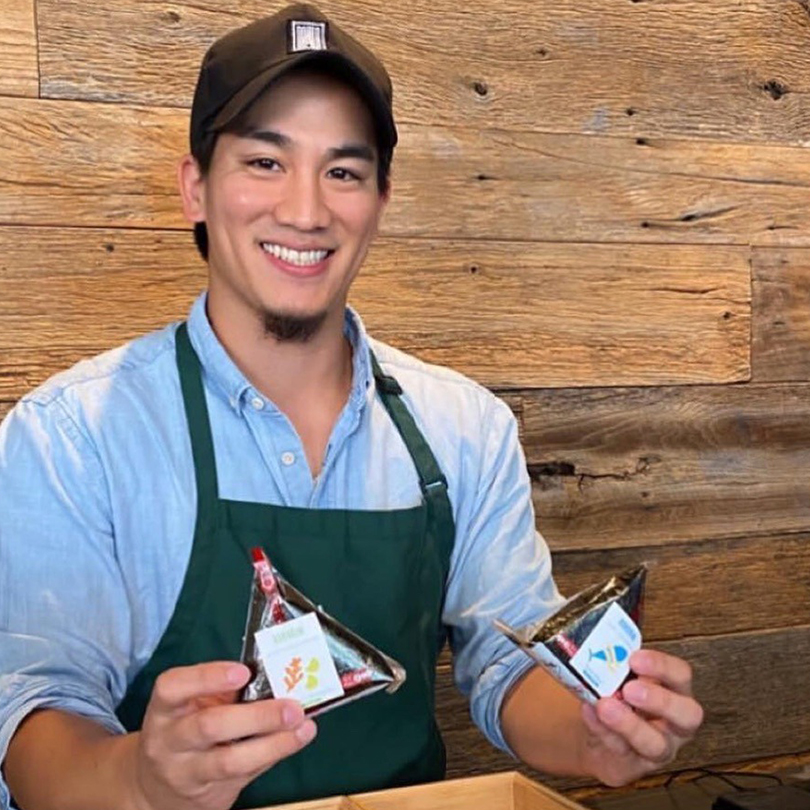
Yuta Katsuyama
Co-founder & CEO of Onigiri Kororin
-
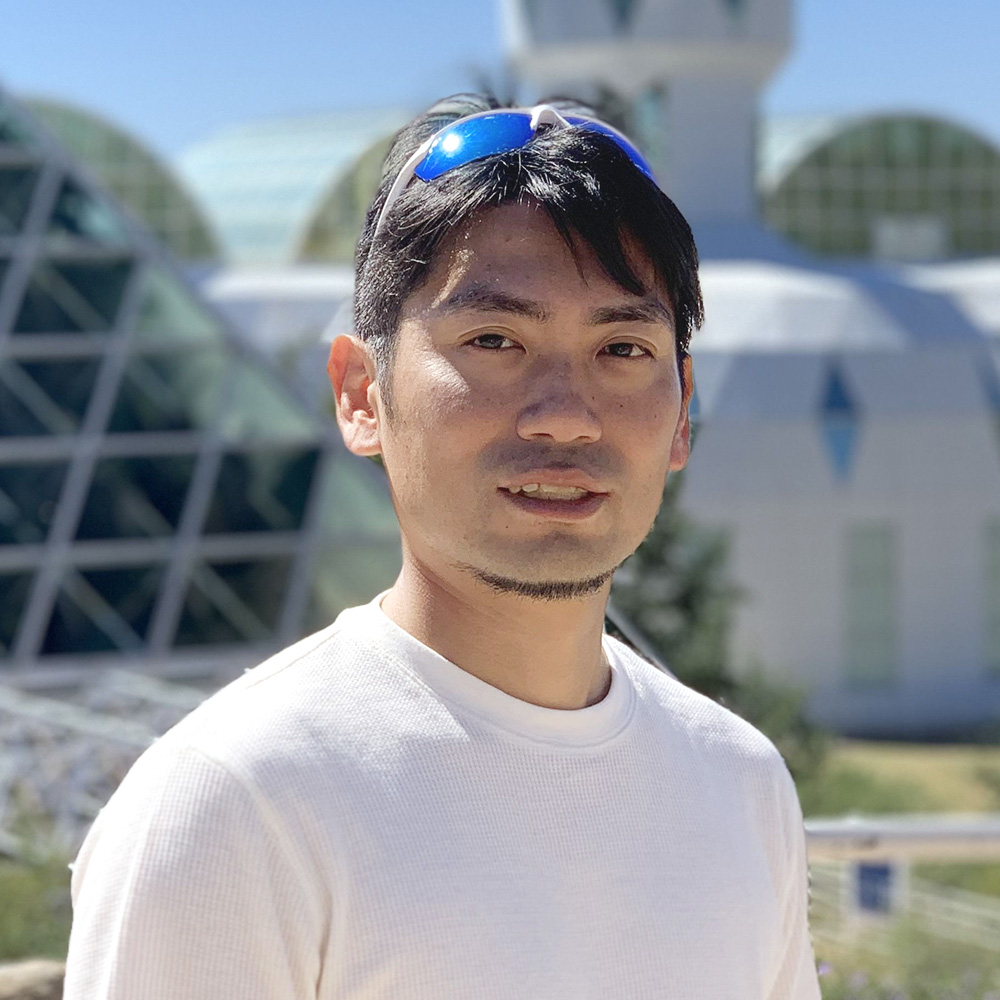
Yuta Kikuchi
Director, SPACE FOODSPHERE Association
-
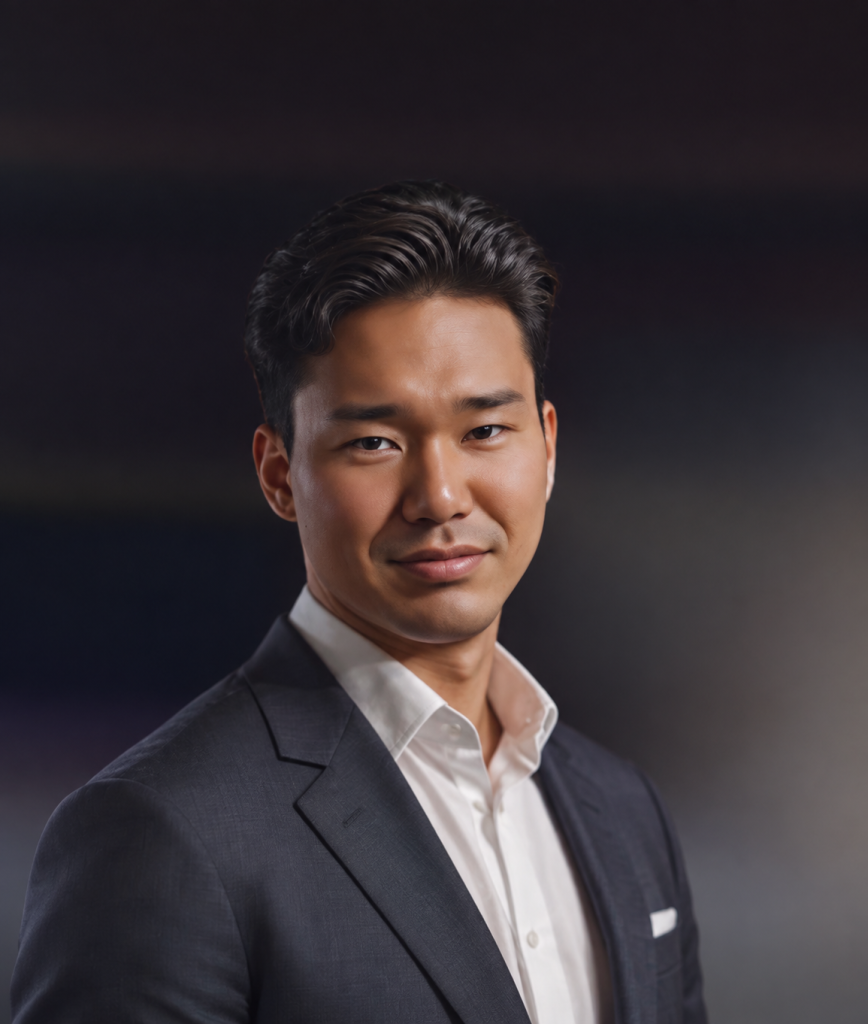
Zos Uminos
Social Entrepreneur
PARTNERS Partners
Logo Alphabetical Order /
Click to go to Corporate Website
-
Platinum Partners
-
-
Headline Partners
-
-
Gold Partners
-
-
Regular Partners
-
-
Venture Partners
-
-
Media Partners
-
-
Global Ecosystem Partners
-
-
Community Partners
-
-
Food Partners
-
-
後援 / Supported by
-
-
Organizer
Supporting Spirits Partners
-









































































































OVERVIEW Overview
-
Event Name
-
SKS JAPAN 2026 -Global Foodtech Summit-
-
Date
-
November 5 (Thu) – 7 (Sat), 2026
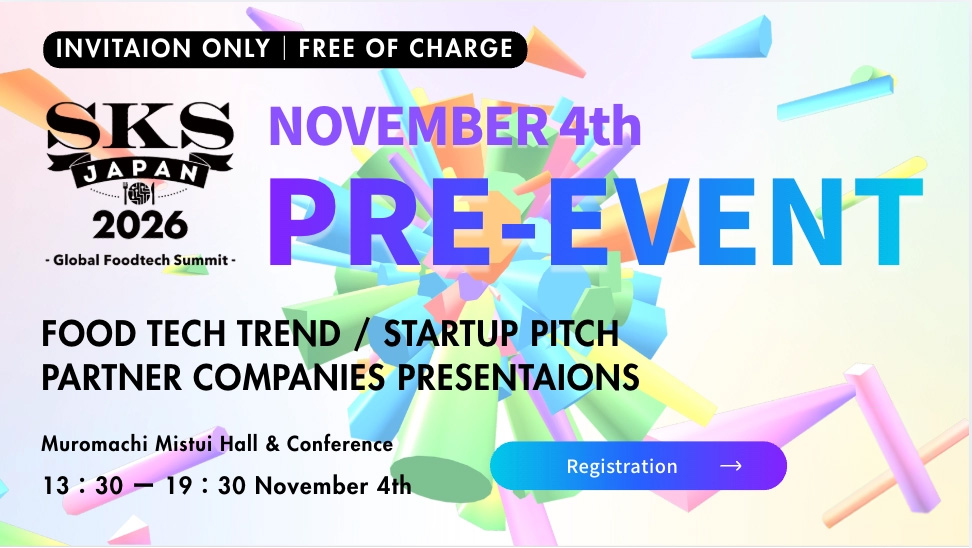
Pre-EVENT: November 4 (Wed)– By invitation only -
Event Style
-
Hybrid of real and online event/pre-purchase ticket required
-
Conference venue
-
Muromachi Mitsui Hall & Conference (3F COREDO Muromachi Terrace)
3-2-1 Nihonbashi-Muromachi, Chuo-ku, Tokyo
-
Open Exhibition
-
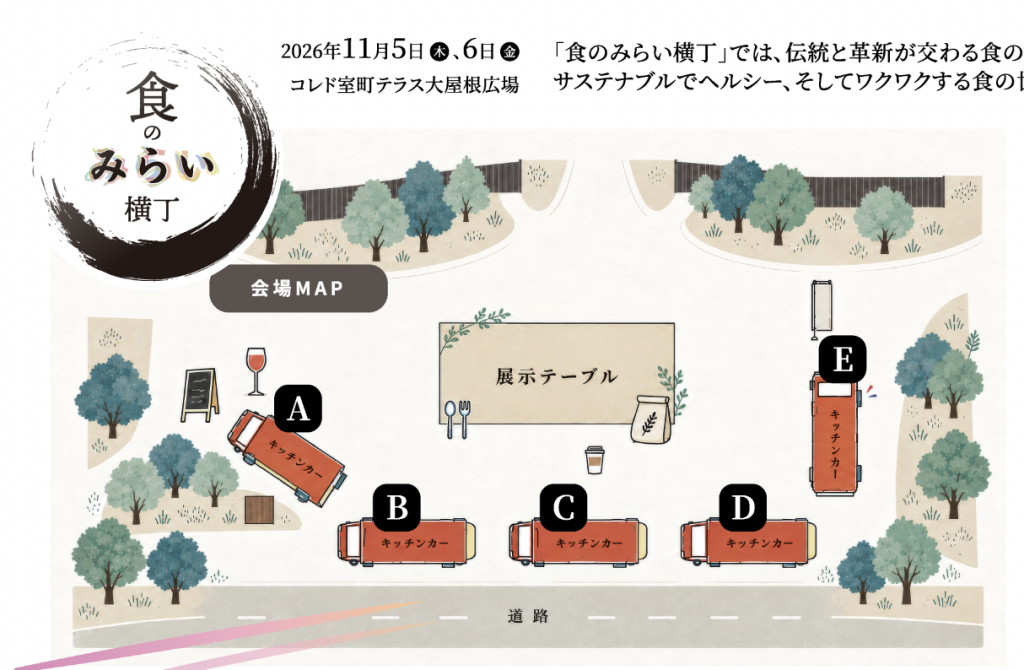
1F Nihonbashi Muromachi Mitsui Tower COREDO Muromachi Terrace
November 5 (Thu) – 6 (Fri), 2026 -
Online
-
Webinar format — Available for all three days, November 5–7
-
Language
-
Japanese, English (Simultaneous interpretation available)
-
Organizers
TICKET
-
Ticket Type
-
ON-SITE PASS [*Limited quantity]
- Early bird price: ¥97,500
- Regular price: ¥130,000
ONLINE PASS
- Early bird price: ¥32,000
- Regular price: ¥40,000
VENTURE PASS [*Limited quantity]
- Early bird price: ¥24,000
- Regular price: ¥30,000
STUDENT PASS [*Limited quantity]
- Regular price: 10,000 yen
*Early bird price available until September 30, 2026
*Due to seating restrictions at the venue, tickets may sell out early.■VENTURE PASS
Up to two passes may be purchased from companies that meet either of the following conditions:
1. Startups
1-a) Startup companies that have been in business for less than 10 years and are not listed on any stock exchange
*Startups = Companies that leverage innovative technologies or ideas to tackle challenges and create new businesses
1-b) Not a spin-off or subsidiary of a large or medium-sized companyMust meet all of the above conditions (1-a, 1-b)
2. Food Pioneer
2-a) Be a non-listed company that has been in business for less than 10 years
2-b) Utilize extensive knowledge, skills, and technology related to food to develop products, create value, and take on new business challengesMust meet all of the above conditions(2-a, 2-b)
Ticket users must be affiliated with a company that meets either condition 1 or 2
Please register your startup information using the form before purchasing
※VENTURE PASSES that do not meet the conditions will be canceled■STUDENT PASS
-Students under the age of 30 who are enrolled in a “school”
-“School” refers to schools established under the School Education ActWe will verify your student ID at the time of registration
※Tickets that do not meet the conditions will be canceled -
Payment Method
-
Credit Card
-
Details
-
Please refer to the ticketing website
ACCESS Access
Conference Venue
Muromachi Mitsui Hall & Conference 3F COREDO Muromachi Terrace,
3-2-1 Nihonbashi-Muromachi, Chuo-ku, Tokyo 103-0022
For guests arriving by JR or Subway
- Directly connected to Mitsukoshimae Station on the Tokyo Metro Ginza Line and Hanzomon Line
- Directly connected to Shin-Nihombashi Station on the JR Sobu Line (Rapid)※Please check the website at the station for the closest exit
For guests arriving by bus
- Metrolink Nihonbashi (free)
- A free shuttle bus connecting the Yaesu, Kyobashi and Nihonbashi districts. It operates daily between 10:00am and 8:00pm
- running approximately every ten minutes between the Yaesu entrance of Tokyo Station and the north and south areas of Nihonbashi.
- 1 minute walk from the Bus Stop “Nihonbashi Muromachi 1-chome” or “Mitsui Memorial Museum”
FAQ FAQ
About the sessions
Q:Will presentations be given in Japanese?
A:Presentations will be given in English or Japanese, but all presentations will be delivered with simultaneous interpretation (except for round tables and networking).
Q:What is supported for online viewing?
A:Viewing is available on PC (Mac, Win) and smartphone (iOS, Android) web browsers.
Q:Will archived videos of the sessions be available at a later date?
A:Yes, daily archives will be available the following day.
Archives divided by session will be available within two weeks.
Regarding tickets
Q: Is it possible to attend only one of the days? And is the ticket price the same in that case?
A. Tickets are only available for the three-day event.
Q: Can I enter and exit the venue anytime?
A. Yes, you can enter and exit the venue anytime.
Q: Is it possible to pay by invoice?
A. WUnfortunately, we do not accept payment by invoice. Credit card is the only payment method available.
Q: Will a receipt be issued?
A. It will be attached to the payment confirmation e-mail automatically sent after ticket purchase.
Q: Can I get a refund for my ticket?
A. Tickets are non-refundable.
Regarding the venue
Q:Is there a smoking area?
A:There is a smoking room at the venue.
Q:Is there a parking lot?
A:There is a parking lot on the basement floor of the building.
Q:Will parking tickets be issued?
A:No we do not issue parking tickets.
Filming
Q:Is it possible to take video or make recordings?
A:Recording of any contents is not allowed.
Q:Is it possible to take pictures and upload them to social networking sites?
A:Yes, you can. However, we would appreciate if you follow the speakers/exhibitors requests if they inform you not to do so.If you are a press, please contact SKS Japan Media Staff.
JAPAN FOOD
INNOVATION WEEKS Japan Food Innovation Weeks
Explore the possibilities of food across Japan.
JAPAN FOOD INNOVATION WEEKS is an initiative connecting a diverse range of food innovation events across Japan. Building on last year’s week-long program centered on Tokyo, this year’s initiative expands to approximately one month, from mid-October to mid-November. With a broader geographic reach and an extended schedule, it offers more opportunities to discover the rich potential of food in Japan.
Conferences and events across the country offer firsthand encounters with food technologies, time-honored skills and cultural traditions, and the work of people shaping the future. Together, we explore the many dimensions of food—from taste and health to the environment and culture—and envision the future of food we want to create. By bringing together people from Japan and around the world to connect, learn and exchange ideas, the initiative fosters opportunities for co-creation and collaboration across regions and disciplines, helping channel the potential of food in Japan into the creation of new businesses and industries.
ENTRY Entry
CONTACT
-
Latest Info regarding SKS JAPAN 2026
Registration of Newsletter
"Foodtech EYES" -
Contact
SKS JAPAN 2026 Office
